
빠른 제작과 다양한 마감 옵션을 제공하는 박물관 품질의 지클레이 또는 캔버스 프린트. ( 손으로 그린 그림 구매 디지털 이미지로 전환)





























작품의 원본 비율을 유지하는 미리 설정된 크기 중에서 선택하세요.

특정 프레임이나 공간에 맞춰 직접 치수를 입력하실 수 있습니다. 선택하신 사이즈가 원본 이미지의 비율과 일치하지 않을 경우, 작품을 크롭(자르기)하거나 이미지를 대칭 또는 단색 채우기로 확장하여 제작합니다. 제작 시작 전, 최종 확인을 위해 디지털 목업이 전송됩니다.
화면상의 미리보기는 실제 크롭이나 확장 상태를 반영하지 않으므로, 최종 구도는 오직 목업을 통해서만 정확하게 확인하실 수 있습니다.
맞춤 사이즈 제작도 가능하지만, 원본 비율을 유지하기 위해서는 사전 정의된 목록에서 치수를 선택하시는 것을 권장합니다.

Odalisque, Harmony in Red
복제본 크기
Henri Matisse's “Odalisque, Harmony in Red,” painted in 1926, isn’t merely a depiction of a reclining woman; it’s an immersive experience. This oil on canvas embodies the heart of Fauvism – a bold rejection of naturalistic representation in favor of vibrant color and expressive form. More than just a beautiful image, this painting is a carefully constructed meditation on tranquility, comfort, and the power of visual harmony. It invites us to step into a world where color dictates mood and shape serves as a vehicle for emotional resonance.
The painting’s dominant red hue isn't arbitrary; it’s a deliberate choice steeped in symbolism. Matisse understood the psychological impact of color, using this intense shade to evoke feelings of warmth, security, and serenity – a deliberate antidote to the anxieties of the modern world. The woman herself, an odalisque (a courtesan or concubine), is presented with a languid grace, her long hair cascading down her back like a silken waterfall. Her pose suggests both repose and quiet contemplation, drawing the viewer into her peaceful state.
Beyond the central figure, “Odalisque, Harmony in Red” is meticulously composed with several carefully placed elements that contribute to its overall effect. A simple cake sits perched on a small table near the top left corner – a subtle nod to domesticity and pleasure. A vase, positioned centrally, adds another layer of visual interest, while a chair glimpsed in the background subtly anchors the scene within a recognizable space. These seemingly minor details aren’t mere decorative flourishes; they are integral to Matisse's strategy for creating a sense of balanced harmony. Notice how the red of the walls and furniture echoes the color of the woman’s clothing, further unifying the composition.
“Odalisque, Harmony in Red” is a quintessential example of Matisse's Fauvist style – a movement that emerged in the early 20th century as a rebellion against traditional artistic conventions. Fauvism prioritized color and emotional expression over realistic representation. Matisse’s use of pure, unmodulated colors—often applied with thick brushstrokes—creates a vibrant, almost hallucinatory effect. This approach was revolutionary at the time, challenging viewers' expectations of what art could be. The painting reflects Matisse’s exploration of pictorial space, flattening forms and simplifying shapes to heighten their visual impact.
Considering this work alongside other pieces like “Henri Matisse: Nu assis au tambourin” or “Henri Matisse: Odalisque,” one can truly appreciate the evolution of his style. His early works leaned towards a more academic approach, but by the 1920s, he had fully embraced the expressive potential of color and form, creating a body of work that continues to captivate audiences today.
WahooArt offers meticulously crafted hand-painted reproductions of “Odalisque, Harmony in Red,” allowing you to experience the beauty and tranquility of this iconic masterpiece in your own space. Our skilled artists faithfully recreate Matisse’s vibrant colors and expressive brushstrokes, ensuring that your reproduction captures the essence of the original painting. Whether you're an art collector, interior designer, or simply someone who appreciates exceptional artistry, a WahooArt reproduction is a stunning addition to any collection. Explore our range of sizes and canvas options to find the perfect way to bring this timeless work of art into your life.


1869 - 1954 , 프랑스

Discover the unparalleled elegance of Art Deco through the lens of Erté. Explore a masterclass in linear precision, theatrical costume design, and high-fashion illustration that continues to define modern luxury and sophisticated interior aesthetics.
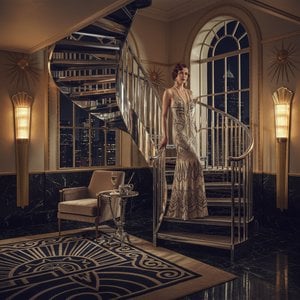
Discover the allure of Art Deco style with our expert guide to luxury interiors. Explore iconic influences from Erté to Jean Dunand and learn to curate a sophisticated space filled with timeless glamour and geometric elegance.

Discover the breathtaking allure of Art Deco. Explore the era's iconic geometry, legendary designers like Erté, and timeless glamour. Perfect for discerning collectors seeking to infuse their spaces with sophisticated modernist elegance and historical prestige.
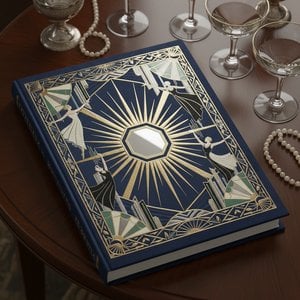
Discover the allure of Art Deco through a curated guide to its most iconic masterpieces. Explore the elegance of Erté and the innovation of Jean Dunand, perfect for collectors seeking timeless glamour and sophisticated design inspiration.


 미리보기
미리보기
 공유하기
공유하기 공유하기
공유하기
 상세 정보
상세 정보

 다운로드
다운로드
 유사 작품
유사 작품 X-레이
X-레이 슬라이드 쇼
 통계 정보
통계 정보

 더 보기
더 보기









 유리 옵션은 110cm 미만 크기에서만 선택 가능합니다.


