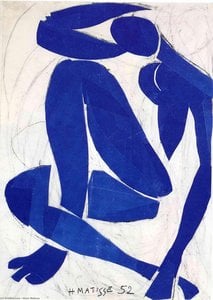
빠른 제작과 다양한 마감 옵션을 제공하는 박물관 품질의 지클레이 또는 캔버스 프린트. ( 손으로 그린 그림 구매 디지털 이미지로 전환)





























작품의 원본 비율을 유지하는 미리 설정된 크기 중에서 선택하세요.

특정 프레임이나 공간에 맞춰 직접 치수를 입력하실 수 있습니다. 선택하신 사이즈가 원본 이미지의 비율과 일치하지 않을 경우, 작품을 크롭(자르기)하거나 이미지를 대칭 또는 단색 채우기로 확장하여 제작합니다. 제작 시작 전, 최종 확인을 위해 디지털 목업이 전송됩니다.
화면상의 미리보기는 실제 크롭이나 확장 상태를 반영하지 않으므로, 최종 구도는 오직 목업을 통해서만 정확하게 확인하실 수 있습니다.
맞춤 사이즈 제작도 가능하지만, 원본 비율을 유지하기 위해서는 사전 정의된 목록에서 치수를 선택하시는 것을 권장합니다.

Odalisque
복제본 크기
Henri Matisse's "Odalisque with Gray Trousers," painted in 1927, isn’t merely a depiction of a reclining woman; it’s an immersion into a carefully constructed world of sensual allure and veiled mystery. This captivating work, residing within the collections of The Metropolitan Museum of Art, offers a glimpse into Matisse's masterful manipulation of color, form, and symbolism – a testament to his enduring fascination with the Orient and his innovative approach to portraying the female nude.
The painting immediately draws the eye with its vibrant palette. Dominated by blues, greens, and ochres, the scene unfolds within an opulent interior, hinting at a luxurious Moroccan setting—a deliberate departure from the stark realism favored by many of his contemporaries. The odalisque herself is rendered in bold, simplified forms, her body a study in curves and planes rather than meticulous anatomical detail. This stylistic choice reflects Matisse’s move away from academic constraints, embracing instead an expressive approach that prioritized color and rhythm over strict representation. Notice how the gray trousers, a striking element against the warm tones of the background, subtly anchor the figure while simultaneously adding a touch of unexpected modernity to the scene.
Matisse’s engagement with the odalisque motif is deeply rooted in the broader context of 19th and early 20th-century Orientalism – a European fascination with, and often romanticized depiction of, the East. This artistic trend, fueled by colonial expansion and a desire to exoticize distant cultures, produced countless paintings portraying harems, sultans, and alluring women in opulent settings. However, Matisse wasn’t simply replicating this established genre; he was actively engaging with its complexities, questioning its assumptions, and injecting his own unique sensibility into the subject matter.
Interestingly, Matisse's personal travels to Morocco in the early 1920s provided a direct point of reference for this work. As he himself stated, “I paint odalisques in order to paint the nude, and also because I know it exists. I was in Morocco. I saw it.” This firsthand experience allowed him to move beyond mere imitation and imbue his paintings with a sense of authenticity—a crucial distinction within the context of Orientalist art.
Beyond its visual appeal, “Odalisque with Gray Trousers” is rich in symbolic meaning. The odalisque’s pose – reclining languidly, her gaze directed towards the viewer—evokes a sense of both vulnerability and power. Her partially clothed state invites interpretation, suggesting a realm of sensual pleasure and hidden desires. The gray trousers, a seemingly simple detail, introduce an element of surprise and modernity, subtly disrupting the traditional conventions of Orientalist imagery.
The overall effect is one of captivating ambiguity. Matisse doesn’t offer a straightforward narrative; instead, he invites the viewer to project their own emotions and interpretations onto the scene. The painting resonates with a sense of timelessness—a reminder of the enduring allure of beauty, mystery, and the power of art to transport us beyond the confines of our everyday lives.
Reproductions of “Odalisque with Gray Trousers” offer an exceptional opportunity to bring Matisse’s vibrant vision into any interior space. The painting's bold colors and simplified forms create a striking focal point, while its evocative symbolism adds depth and intrigue. Whether adorning a gallery wall or gracing a private study, this masterpiece is sure to captivate viewers and spark conversation. Consider the impact of a high-quality print – a tangible connection to one of the 20th century’s most influential artists.


1869 - 1954 , 프랑스
Embark on a journey through the vibrant world of Fauvism. Discover how masters like Henri Matisse revolutionized art through bold colors and raw emotion in this expert-led guide to one of modern art's most powerful movements.


 미리보기
미리보기
 공유하기
공유하기 공유하기
공유하기
 상세 정보
상세 정보

 다운로드
다운로드
 유사 작품
유사 작품 X-레이
X-레이 슬라이드 쇼
 통계 정보
통계 정보
 더 보기
더 보기









 유리 옵션은 110cm 미만 크기에서만 선택 가능합니다.