
빠른 제작과 다양한 마감 옵션을 제공하는 박물관 품질의 지클레이 또는 캔버스 프린트. ( 손으로 그린 그림 구매 디지털 이미지로 전환)





























작품의 원본 비율을 유지하는 미리 설정된 크기 중에서 선택하세요.

특정 프레임이나 공간에 맞춰 직접 치수를 입력하실 수 있습니다. 선택하신 사이즈가 원본 이미지의 비율과 일치하지 않을 경우, 작품을 크롭(자르기)하거나 이미지를 대칭 또는 단색 채우기로 확장하여 제작합니다. 제작 시작 전, 최종 확인을 위해 디지털 목업이 전송됩니다.
화면상의 미리보기는 실제 크롭이나 확장 상태를 반영하지 않으므로, 최종 구도는 오직 목업을 통해서만 정확하게 확인하실 수 있습니다.
맞춤 사이즈 제작도 가능하지만, 원본 비율을 유지하기 위해서는 사전 정의된 목록에서 치수를 선택하시는 것을 권장합니다.

not identified (23)
복제본 크기
Henri Matisse's "Not Identified," painted in 1909, isn’t merely a depiction of a sailing ship; it’s an immersion into the heart of Fauvist expression. This captivating work, currently available as a meticulously crafted hand-painted reproduction by WahooArt.com, transcends simple representation, offering instead a vibrant exploration of color, form, and the very essence of movement on water. The painting immediately draws the eye with its audacious palette – a dominant azure that vibrates with an almost palpable energy, contrasted against the warm ochres and yellows of the sails and hull. It’s a deliberate departure from the muted tones favored by earlier Impressionists, signaling Matisse's pivotal role in ushering in a new era of color theory and artistic freedom.
Matisse’s technique is characterized by an almost childlike simplification of form. The ship itself isn’t rendered with painstaking detail; instead, it’s suggested through bold blocks of color and sweeping brushstrokes that capture the feeling of speed and dynamism. Notice how the water isn't a realistic depiction of waves but rather a swirling vortex of blues and greens, conveying not just the visual appearance of the sea, but also its restless energy. The figures onboard are similarly reduced to their essential shapes – small, brightly colored masses that contribute to the overall sense of joyful abandon. This reductive approach wasn’t born from a lack of skill; it was a conscious decision to prioritize emotional impact over photographic accuracy.
“Not Identified” is deeply rooted in the Fauvist movement, a radical artistic response to the constraints of academic painting. Emerging in France around 1905, Fauvism championed the use of pure, unmixed colors – often jarringly juxtaposed – as an end in itself. Matisse was one of its leading figures, alongside André Derain and Maurice de Vlaminck. The movement’s name, “Fauves” (wild beasts), aptly describes their vibrant, untamed approach to color and composition. This painting exemplifies that spirit perfectly; it rejects the traditional rules of perspective and shading in favor of a subjective, emotionally driven interpretation of reality.
Matisse's exploration of color wasn’t simply decorative; he believed that color possessed an inherent power to evoke emotion. He famously stated, “I do not paint things, I paint feelings.” In "Not Identified," the intense blue immediately evokes a sense of vastness and freedom, while the warm yellows suggest sunlight and warmth. The interplay between these colors creates a dynamic tension that mirrors the movement of the ship on the water. The painting’s origins in Matisse's convalescence following an appendectomy further illuminate this emotional intent – color became his solace, his language, his way to express joy and vitality after a period of illness.
Beyond its technical brilliance, “Not Identified” is rich with symbolic meaning. The ship itself can be interpreted as representing adventure, exploration, and perhaps even escape – themes that resonated deeply with Matisse’s own life experiences. The figures on board are not rendered with individual characteristics; they are simply joyful participants in a shared experience. Their placement within the composition reinforces this sense of collective happiness and camaraderie. Even the bird soaring above the ship contributes to the painting's overall feeling of lightness and optimism.
The choice of a sailing ship as the subject is also significant. Sailing represents freedom, independence, and a connection with nature – values that were central to Matisse’s artistic philosophy. He sought to capture not just the appearance of the world but also its underlying spirit, and “Not Identified” achieves this beautifully. It's a testament to Matisse's ability to transform a simple scene into a powerful expression of human emotion and the beauty of the natural world. The reproduction offered by WahooArt.com allows you to experience this masterpiece in stunning detail, bringing Matisse’s vibrant vision to life in your own space.
Whether you're an art enthusiast, a collector seeking a statement piece, or simply someone looking to infuse your home with color and vitality, WahooArt.com’s hand-painted reproduction of Henri Matisse’s "Not Identified" offers the perfect opportunity. Each reproduction is meticulously crafted by skilled artists using archival quality materials, ensuring that you receive an authentic representation of this iconic work. Consider how the painting's bold colors and dynamic composition will complement your existing décor, adding a touch of Fauvist energy to any room. It’s more than just a print; it’s a window into the heart of modern art.


1869 - 1954 , 프랑스

Explore the vibrant revolution of Fauvism. Discover how masters like Matisse liberated color to redefine modern art. Dive into an expert-led journey through the 'Wild Beasts' movement and learn how to bring this bold, expressive energy into your personal collection.
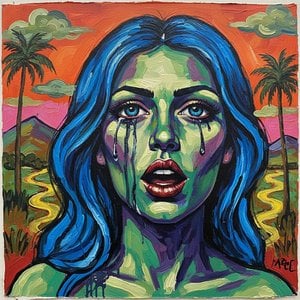
Embark on a journey through the vibrant world of Fauvism. Discover how masters like Henri Matisse revolutionized art through bold colors and raw emotion in this expert-led guide to one of modern art's most powerful movements.

Explore the vibrant world of Fauvism with our expert guide. Discover how Matisse and Derain revolutionized art through bold colors and expressive strokes. Perfect for classic art enthusiasts seeking to deepen their passion for modern masterpieces.


 미리보기
미리보기
 공유하기
공유하기 공유하기
공유하기
 상세 정보
상세 정보 가이드 보기

 다운로드
다운로드
 유사 작품
유사 작품 X-레이
X-레이 슬라이드 쇼
 통계 정보
통계 정보
 더 보기
더 보기









 유리 옵션은 110cm 미만 크기에서만 선택 가능합니다.


