
원하는 크기와 액자로 주문 제작되는, 작가들이 직접 캔버스에 손으로 그린 유화 작품입니다. ( 프린트 판매로 전환 디지털 이미지로 전환)





























작품의 원본 비율을 유지하는 미리 설정된 크기 중에서 선택하세요.

특정 프레임이나 공간에 맞도록 직접 크기를 입력할 수 있습니다. 선택하신 크기가 원본 이미지의 비율과 일치하지 않는 경우, 작품을 자르거나 추가적인 손으로 그린 요소를 사용하여 그림을 확장합니다. 제작 시작 전 승인을 위해 디지털 목업을 보내드립니다.
화면 미리 보기는 실제 자르기 또는 확장을 반영하지 않습니다. 최종 구성은 목업을 통해서만 정확하게 확인하실 수 있습니다.
맞춤 크기 제작도 가능하지만, 원본 비율을 유지하기 위해 사전 정의된 목록에서 크기를 선택하시는 것을 권장합니다.

L'Arbre de Vie
복제본 크기
Henri Matisse’s “L’Arbre de Vie,” painted in 1949, stands as a testament to the artist’s unwavering commitment to expressive color and simplified form—principles that cemented his place among the titans of modern art. This seemingly unassuming depiction of a tree transcends mere botanical representation; it embodies a profound meditation on life itself, reflecting Matisse's deeply held beliefs about spirituality and artistic liberation.
Born in Le Cateau-Cambrésis in 1869, Henri Émile Benoît Matisse’s journey to artistic prominence began unexpectedly. Initially pursuing law studies in Paris after secondary school, a debilitating appendicitis attack forced him to reconsider his ambitions—a fortuitous circumstance that propelled him toward the transformative embrace of painting.
Initially drawn to Impressionism and Neo-Impressionism, Matisse swiftly abandoned these stylistic constraints, forging ahead with Fauvist experimentation. Influenced by artists like Georges Seurat and Paul Cézanne, he championed a radical departure from academic conventions, prioritizing color above all else. This bold decision—to prioritize hue over meticulous detail—became the cornerstone of his artistic vision.
The historical context surrounding “L’Arbre de Vie” is inextricably linked to Matisse's engagement with Jewish mysticism—Kabbalah—which profoundly shaped his artistic philosophy. Seeking solace amidst the anxieties of wartime Europe, he envisioned the tree as a symbol of resilience and regeneration—a visual embodiment of spiritual renewal.
More than just an aesthetically pleasing composition, “L’Arbre de Vie” resonates with viewers on an emotional level. Its harmonious blend of color and form invites contemplation, prompting reflection on themes of growth, harmony, and the enduring beauty of nature. It exemplifies Matisse's unwavering belief that art could serve as a conduit for spiritual experience—a legacy that continues to inspire artists and collectors alike.
Consider commissioning a meticulously crafted reproduction of this iconic artwork – a beautiful addition to any interior space and a captivating reminder of Matisse’s enduring artistic vision. Explore similar masterpieces by Toulouse-Lautrec and delve into the rich tapestry of Symbolist art at Musée Nissim de Camondo for further inspiration.


1869 - 1954 , 프랑스

Explore the vibrant revolution of Fauvism. Discover how masters like Matisse liberated color to redefine modern art. Dive into an expert-led journey through the 'Wild Beasts' movement and learn how to bring this bold, expressive energy into your personal collection.
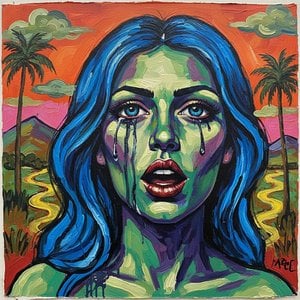
Embark on a journey through the vibrant world of Fauvism. Discover how masters like Henri Matisse revolutionized art through bold colors and raw emotion in this expert-led guide to one of modern art's most powerful movements.

Explore the vibrant world of Fauvism with our expert guide. Discover how Matisse and Derain revolutionized art through bold colors and expressive strokes. Perfect for classic art enthusiasts seeking to deepen their passion for modern masterpieces.


 미리보기
미리보기
 공유하기
공유하기 공유하기
공유하기
 상세 정보
상세 정보

 다운로드
다운로드
 유사 작품
유사 작품 X-레이
X-레이 슬라이드 쇼
 통계 정보
통계 정보

 더 보기
더 보기









 유리 옵션은 110cm 미만 크기에서만 선택 가능합니다.


