
 Oil On CanvasWallArtFauvism
 1900Modern
 73.0 x 55.0 cm
빠른 제작과 다양한 마감 옵션을 제공하는 박물관 품질의 지클레이 또는 캔버스 프린트. ( 손으로 그린 그림 구매 디지털 이미지로 전환)





























작품의 원본 비율을 유지하는 미리 설정된 크기 중에서 선택하세요.

특정 프레임이나 공간에 맞춰 직접 치수를 입력하실 수 있습니다. 선택하신 사이즈가 원본 이미지의 비율과 일치하지 않을 경우, 작품을 크롭(자르기)하거나 이미지를 대칭 또는 단색 채우기로 확장하여 제작합니다. 제작 시작 전, 최종 확인을 위해 디지털 목업이 전송됩니다.
화면상의 미리보기는 실제 크롭이나 확장 상태를 반영하지 않으므로, 최종 구도는 오직 목업을 통해서만 정확하게 확인하실 수 있습니다.
맞춤 사이즈 제작도 가능하지만, 원본 비율을 유지하기 위해서는 사전 정의된 목록에서 치수를 선택하시는 것을 권장합니다.

Interior With Harmonium
복제본 크기
Henri Matisse’s "Interior With Harmonium" (1900) is more than just a depiction of a domestic scene; it's a vibrant manifesto of early 20th-century modern art. Housed within the esteemed Matisse Museum in Nice, France, this painting exemplifies Matisse's pioneering role in the Fauvist movement, characterized by its bold use of color and simplified forms. The artwork invites viewers into a cozy interior space where music and everyday life intertwine, offering a captivating glimpse into the artist’s evolving style.
The painting centers around a harmonium, an instrument that adds a touch of elegance and musicality to the scene. Two delicate pink flowers adorn its surface, introducing a playful element to the composition. Strategically placed chairs flank the room—one near the left side and another towards the right—suggesting a space designed for conversation and enjoyment. A modern addition, a cell phone resting atop the harmonium, provides an intriguing juxtaposition of historical context and contemporary life, subtly reminding us that this scene exists across time.
The composition is deliberately simplified, eschewing traditional perspective in favor of flattened planes and bold color relationships. This approach emphasizes the decorative qualities of the painting, transforming a commonplace interior into a visually striking work of art. The overall effect is one of tranquility and inviting warmth, drawing the viewer into the heart of Matisse’s artistic vision.
"Interior With Harmonium" stands as a prime example of Fauvism, a movement that emerged in the early 1900s and championed bold, non-naturalistic colors. Matisse, alongside André Derain, was a leading figure in this revolutionary artistic shift. The term "Fauves," meaning “wild beasts,” was initially used derisively to describe their work due to its unconventional use of color.
In this painting, Matisse employs vibrant hues—pinks, greens, and yellows—not to accurately represent the colors of the objects but to express emotion and create a visual impact. The brushstrokes are loose and expressive, further contributing to the painting's dynamic energy. This deliberate departure from traditional artistic conventions marked a significant turning point in art history, paving the way for new forms of expression.
Created in 1900, "Interior With Harmonium" reflects a period of rapid social and cultural change. The rise of industrialization and urbanization was transforming European society, and artists were seeking new ways to capture the essence of modern life. Matisse’s painting offers a respite from this fast-paced world, presenting an intimate scene of domestic tranquility.
The emotional impact of the artwork lies in its ability to evoke feelings of warmth, comfort, and serenity. The harmonious arrangement of colors and forms creates a sense of visual balance, while the presence of the harmonium suggests a space filled with music and joy. "Interior With Harmonium" is not merely a depiction of a room; it's an invitation to experience a moment of quiet contemplation and artistic beauty.


1869 - 1954 , 프랑스
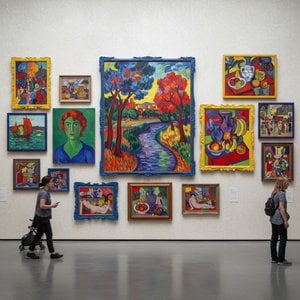
fauve 미술의 심장을 뛰게 하는 10대 걸작! 모리스 드니, 마티스 등 거장의 강렬한 색채와 혁신적인 표현을 만나보세요. 예술 작품 감상부터 인테리어 디자인 영감까지, WahooArt.com에서 명품 아트 프린트를 찾아보세요.

Explore the revolutionary Fauvism movement & Henri Matisse's bold use of color! Discover key characteristics, iconic artworks, and its lasting impact on modern art history with WahooArt.
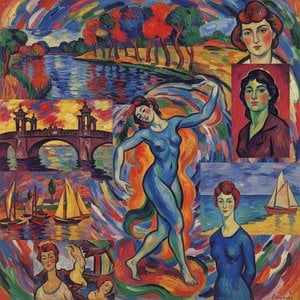
Explore 10 Fauvist masterpieces by Matisse, Derain & Vlaminck that ignited Modern Art! Discover bold colors, expressionist landscapes & the history of this revolutionary movement. Find museum-quality prints at WahooArt.com.
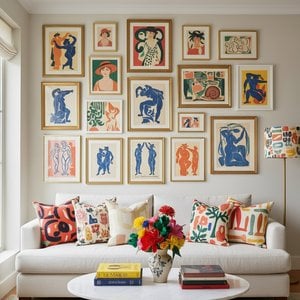
앙리 마티스의 시대를 초월하는 걸작 25선을 만나보세요. 색채주의, 야수파를 대표하는 그의 삶과 예술 세계를 탐험하고, WahooArt에서 명화 복제본으로 거실 인테리어에 감동을 더하세요. 지금 바로 컬렉션을 확인하세요!
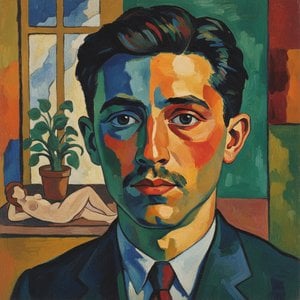
Explore the revolutionary art of Henri Matisse! Discover his bold use of color, Fauvist origins, and lasting impact on modern painting. A comprehensive guide for art enthusiasts.


 미리보기
미리보기
 공유하기
공유하기 공유하기
공유하기
 상세 정보
상세 정보 가이드 보기

 다운로드
다운로드
 유사 작품
유사 작품 X-레이
X-레이 슬라이드 쇼
 통계 정보
통계 정보 더 보기
더 보기









 유리 옵션은 110cm 미만 크기에서만 선택 가능합니다.


