
 Acrylic On CanvasWallArtExpressionism
 1946Modern
 92.0 x 65.0 cm
원하는 크기와 액자로 주문 제작되는, 작가들이 직접 캔버스에 손으로 그린 유화 작품입니다. ( 프린트 판매로 전환 디지털 이미지로 전환)





























작품의 원본 비율을 유지하는 미리 설정된 크기 중에서 선택하세요.

특정 프레임이나 공간에 맞도록 직접 크기를 입력할 수 있습니다. 선택하신 크기가 원본 이미지의 비율과 일치하지 않는 경우, 작품을 자르거나 추가적인 손으로 그린 요소를 사용하여 그림을 확장합니다. 제작 시작 전 승인을 위해 디지털 목업을 보내드립니다.
화면 미리 보기는 실제 자르기 또는 확장을 반영하지 않습니다. 최종 구성은 목업을 통해서만 정확하게 확인하실 수 있습니다.
맞춤 크기 제작도 가능하지만, 원본 비율을 유지하기 위해 사전 정의된 목록에서 크기를 선택하시는 것을 권장합니다.

Interior in Venetian Red
복제본 크기
Henri Matisse's "Interior in Venetian Red," painted in 1946, isn’t merely a depiction of a room; it’s an immersion into a world saturated with color and imbued with a profound sense of warmth. This masterpiece, now housed within the Royal Museums of Fine Arts of Belgium, stands as a testament to Matisse's revolutionary approach to painting – one that prioritized emotion and visual pleasure above strict representation. The canvas unfolds like a carefully orchestrated tableau, inviting us into a space where form and color dance in harmonious unity.
At first glance, the scene is deceptively simple: a table dominates the composition, adorned with an array of objects—vases overflowing with flowers, delicate cups and bowls, gleaming bottles, and the vibrant hues of oranges. However, it’s Matisse's masterful manipulation of these elements that elevates the painting to something extraordinary. He employs flattened perspective, a technique characteristic of his later work, where depth is suggested not through realistic spatial recession but through variations in color intensity and saturation. Bold outlines delineate each object, creating a sense of graphic clarity against the enveloping red backdrop – a deliberate choice that emphasizes their essential forms rather than their detailed appearances.
“Interior in Venetian Red” firmly places itself within the realm of Fauvism, a movement Matisse co-founded. The term “Fauve,” meaning “wild beast,” aptly describes the artists’ rejection of academic conventions and their embrace of unrestrained color. Matisse wasn't simply using red; he was wielding it as an expressive tool – a vibrant, pulsating force that dominates the scene and imbues it with an almost palpable energy. The deep crimson hue isn’t neutral; it radiates warmth, luxury, and even a hint of drama. It’s a deliberate departure from the muted tones favored by many of his contemporaries, signaling Matisse's commitment to prioritizing emotional impact over photographic accuracy.
The choice of Venetian red itself is significant. Associated with opulence and indulgence, it evokes images of lavish interiors and aristocratic settings – subtly hinting at the painting’s potential narrative. Matisse wasn’t simply depicting a room; he was constructing an atmosphere, a feeling. The interplay between the bold color and the simplified forms creates a visual rhythm that is both captivating and deeply satisfying to the eye.
While seemingly straightforward, “Interior in Venetian Red” is rich with symbolic potential. The arrangement of objects—the flowers, the fruit, the tableware—suggests a scene of leisurely enjoyment, perhaps a gathering of friends or family. However, Matisse deliberately avoids providing a concrete narrative, allowing each viewer to project their own emotions and associations onto the work. The painting’s emotional core lies in its celebration of beauty and pleasure – a powerful antidote to the anxieties and uncertainties of the post-war era.
The use of red also carries deeper connotations. Red is often associated with passion, energy, and vitality—qualities that Matisse sought to capture through his vibrant palette. It’s a color that commands attention, drawing the viewer into the heart of the composition and inviting them to linger in its captivating embrace.
“Interior in Venetian Red” represents a pivotal moment in Henri Matisse's artistic journey – a culmination of his lifelong exploration of color and form. It’s a painting that continues to resonate with audiences today, not only for its aesthetic beauty but also for its profound emotional impact. Matisse’s influence on modern art is undeniable, inspiring generations of artists to embrace bold colors, simplified forms, and the power of visual expression. Reproductions of this iconic work offer a unique opportunity to experience Matisse's genius firsthand, bringing his vibrant vision into any space and enriching our understanding of 20th-century art.


1869 - 1954 , 프랑스
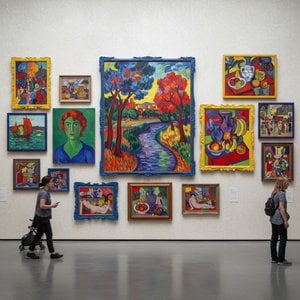
fauve 미술의 심장을 뛰게 하는 10대 걸작! 모리스 드니, 마티스 등 거장의 강렬한 색채와 혁신적인 표현을 만나보세요. 예술 작품 감상부터 인테리어 디자인 영감까지, WahooArt.com에서 명품 아트 프린트를 찾아보세요.

Experience art's raw power! Explore 10 iconic paintings – Van Gogh, Kahlo & more – that define 'bold'. Discover the stories behind these expressive masterpieces and find museum-quality reproductions for your home at WahooArt.com.

앙리 마티스의 시대를 초월하는 걸작 25선을 만나보세요. 색채주의, 야수파를 대표하는 그의 삶과 예술 세계를 탐험하고, WahooArt에서 명화 복제본으로 거실 인테리어에 감동을 더하세요. 지금 바로 컬렉션을 확인하세요!
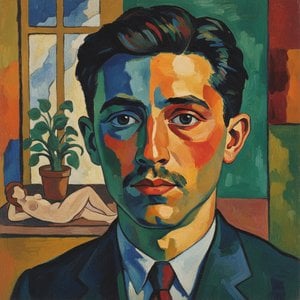
Explore the revolutionary art of Henri Matisse! Discover his bold use of color, Fauvist origins, and lasting impact on modern painting. A comprehensive guide for art enthusiasts.
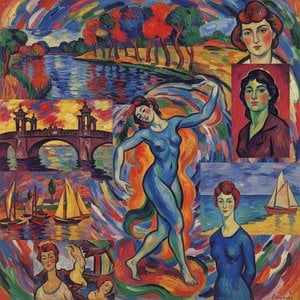
Explore 10 Fauvist masterpieces by Matisse, Derain & Vlaminck that ignited Modern Art! Discover bold colors, expressionist landscapes & the history of this revolutionary movement. Find museum-quality prints at WahooArt.com.


 미리보기
미리보기
 공유하기
공유하기 공유하기
공유하기
 상세 정보
상세 정보

 다운로드
다운로드
 유사 작품
유사 작품 X-레이
X-레이 슬라이드 쇼
 통계 정보
통계 정보 더 보기
더 보기









 유리 옵션은 110cm 미만 크기에서만 선택 가능합니다.


