
x


 Oil On CanvasWallArtFauvist Expressionism
 1921Modern
 73.0 x 60.0 cm
빠른 제작과 다양한 마감 옵션을 제공하는 박물관 품질의 지클레이 또는 캔버스 프린트. ( 손으로 그린 그림 구매 이미지 구매)





























작품의 원본 비율을 유지하는 미리 설정된 크기 중에서 선택하세요.

특정 프레임이나 공간에 맞춰 직접 치수를 입력하실 수 있습니다. 선택하신 사이즈가 원본 이미지의 비율과 일치하지 않을 경우, 작품을 크롭(자르기)하거나 이미지를 대칭 또는 단색 채우기로 확장하여 제작합니다. 제작 시작 전, 최종 확인을 위해 디지털 목업이 전송됩니다.
화면상의 미리보기는 실제 크롭이나 확장 상태를 반영하지 않으므로, 최종 구도는 오직 목업을 통해서만 정확하게 확인하실 수 있습니다.
맞춤 사이즈 제작도 가능하지만, 원본 비율을 유지하기 위해서는 사전 정의된 목록에서 치수를 선택하시는 것을 권장합니다.

Boudoir
복제본 크기
In the quiet corners of art history, few moments capture the essence of domestic serenity as poignantly as Henri Matisse’s 1921 masterpiece, Boudoir. This intimate portrait transcends a mere depiction of a private space; it serves as a profound window into the Fauvist soul, where color is not merely an embellishment but the very heartbeat of the composition. As one gazes upon this scene, there is an immediate sense of being suspended in time within a Parisian bedroom, a sanctuary of warmth and stillness that invites the viewer to breathe alongside the subjects. The painting centers on a woman seated comfortably in a chair, cradling her infant daughter, creating a focal point of maternal tenderness that radiates through the entire canvas.
Matisse, a pioneer who famously rejected the rigid constraints of academic realism, utilizes this piece to showcase his mastery of expressive color and simplified form. The technique is characterized by loose, gestural brushstrokes that prioritize visual impact over meticulous, photographic detail. Rather than relying on heavy outlines, Matisse allows colors to bleed into one another, creating a fluid, rhythmic energy. This approach is particularly evident in the way the bold crimson of the carpets and drapery draws the eye upward, mirroring the verticality of the room and establishing a sense of architectural grace despite the flattened perspective.
To encounter Boudoir is to experience a deliberate dialogue between warmth and coolness. The color palette is a meticulously considered arrangement of reds, pinks, and creams, which are masterfully balanced by the soothing blues and greens found in the clothing and the lush potted plant. These contrasting tones do more than just create visual interest; they evoke an emotional resonance of peace and stability. The lighting, appearing diffused and natural as if filtering through a nearby window, casts soft shadows that illuminate the figures without the harshness of dramatic chiaroscuro, further enhancing the painting's tranquil mood.
The composition itself is a study in balanced geometry. Matisse employs rectangles to represent windows and chairs, establishing a structural framework that provides a sense of enclosure and domesticity. This architectural stability is softened by the organic presence of the figures and the subtle inclusion of a second woman observing from the window, which adds a layer of depth and narrative interaction. For the collector or interior designer, this piece offers a unique versatility; its vibrant yet harmonious palette can serve as a commanding focal point in a modern space, bringing a sense of sophisticated calm and historical depth to any room.
Historically, Boudoir emerged during a pivotal era for Matisse, a time when he was refining the revolutionary language of Fauvism into something more classical yet no less powerful. While his earlier works were often labeled as "wild beasts" due to their intense colorism, this period shows an evolution toward a more structured, decorative quality that celebrates the beauty of everyday life. The painting captures the quiet intimacy of private existence, turning a simple domestic moment into a universal symbol of peace and maternal connection.
For those seeking to adorn their homes with art that inspires contemplation, a high-quality reproduction of this work offers more than just decoration. It brings into a living space the very essence of Matisse’s philosophy: that art should be a source of comfort, a "soothing influence" for the weary mind. Whether placed in a sunlit reading nook or a grand salon, Boudoir remains an enduring testament to the power of color to transform a physical environment into an emotional sanctuary.


1869 - 1954 , 프랑스

Step inside the soul of art. Explore 10 iconic masterpieces that redefine 'interior' through evocative techniques and timeless stories. From Impressionist scenes to modern classics, find museum-quality reproductions for your space. Discover all masterpieces on WahooArt.com.

Journey through the vibrant, soulful world of Henri Matisse. From the bold colors of Fauvism to his iconic cutouts, explore 25 legendary masterpieces that redefined modern art. Find inspiration for museum-quality decor and fine art reproductions. Discover all masterpieces on WahooArt.com.

Immerse yourself in the vibrant world of Fernand Léger. Explore 25 iconic masterpieces of Cubism and Tubism, from bold geometric forms to machine-age energy. Find inspiration for your decor with museum-quality reproductions. Discover all masterpieces on WahooArt.com.

Immerse yourself in the vibrant world of Alexej von Jawlensky. Explore 25 iconic Expressionist masterpieces, from emotive portraits to bold colors. Find inspiration for your collection with museum-quality art reproductions at WahooArt.com. Discover all masterpieces online.
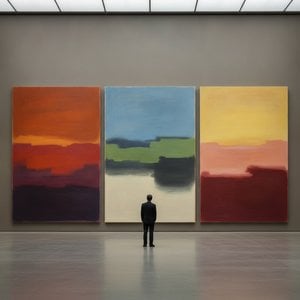
Immerse yourself in the profound emotion of Abstract Expressionism. Explore our curated guide to the top 25 Mark Rothko masterpieces, from iconic color field paintings to museum-quality reproductions for your decor. Discover all masterpieces on WahooArt.com.


최신 미술 뉴스, 특별 혜택 및 인테리어 아이디어를 가장 먼저 만나보세요.
프로젝트에 대해 알려주시면 저희 미술 전문가들이 맞춤형 아트 제안 3가지를 전달해 드립니다.
당신만을 위한 맞춤형 옵션 3가지를 무료로 추천해 드립니다!


 미리보기
미리보기
 공유하기
공유하기 공유하기
공유하기
 상세 정보
상세 정보

 다운로드
다운로드
 유사 작품
유사 작품 X-레이
X-레이 슬라이드 쇼
 더 보기
더 보기









 유리 옵션은 110cm 미만 크기에서만 선택 가능합니다.


