빠른 제작과 다양한 마감 옵션을 제공하는 박물관 품질의 지클레이 또는 캔버스 프린트. ( 손으로 그린 그림 구매 디지털 이미지로 전환)





























작품의 원본 비율을 유지하는 미리 설정된 크기 중에서 선택하세요.

특정 프레임이나 공간에 맞춰 직접 치수를 입력하실 수 있습니다. 선택하신 사이즈가 원본 이미지의 비율과 일치하지 않을 경우, 작품을 크롭(자르기)하거나 이미지를 대칭 또는 단색 채우기로 확장하여 제작합니다. 제작 시작 전, 최종 확인을 위해 디지털 목업이 전송됩니다.
화면상의 미리보기는 실제 크롭이나 확장 상태를 반영하지 않으므로, 최종 구도는 오직 목업을 통해서만 정확하게 확인하실 수 있습니다.
맞춤 사이즈 제작도 가능하지만, 원본 비율을 유지하기 위해서는 사전 정의된 목록에서 치수를 선택하시는 것을 권장합니다.

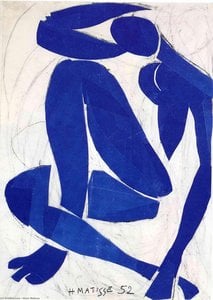
Blue Nude
복제본 크기
In the twilight of his extraordinary career, Henri Matisse achieved a state of artistic transcendence that few masters ever reach. Blue Nude III, a masterpiece from his celebrated 1952 series, is not merely a depiction of the human form but a profound meditation on light, liberation, and the very soul of color. Created during a period when physical frailty threatened to silence his creative voice, this work emerged from a radical reinvention of technique. Following debilitating surgeries, Matisse turned away from the heavy constraints of traditional oil painting and embraced the rhythmic, tactile freedom of cut-paper collage. Through the deliberate manipulation of gouache-painted paper, he sculpted a figure that feels both weightless and eternally grounded, inviting the viewer into a serene, monochromatic dreamscape.
The subject of the piece—a reclining or seated female form—is rendered with a fluid, sweeping grace that defies the boundaries of the medium. There is no attempt at anatomical realism here; instead, Matisse utilizes the Fauvist principle of expressive distortion to capture the essence of vitality. The silhouette is defined by bold, rhythmic contours that guide the eye in a continuous dance across the canvas. The choice of a singular, deep blue palette creates an atmosphere of profound tranquility and introspection. This monochromatic approach allows the viewer to focus entirely on the interplay between shape and negative space, where the "void" becomes just as much a part of the composition as the figure itself. For the discerning collector or interior designer, this piece offers a sophisticated focal point that brings a sense of calm, modern elegance to any curated space.
To understand the technical brilliance of Blue Nude III, one must appreciate the physical labor and poetic intention behind Matisse’s "drawing with scissors." Each element of the composition was meticulously hand-cut from paper previously saturated with blue pigment. This method allowed Matisse to achieve a level of luminosity and edge-definition that brushwork alone could rarely replicate. The layering of these translucent and opaque fragments creates a subtle depth, simulating the way light filters through water or shadows dance across skin. It is a technique born of necessity but perfected by genius, representing a moment where the artist’s physical limitations were transformed into a new language of pure, uninhibited expression.
Beyond its aesthetic allure, the work carries a heavy emotional resonance. There is a palpable sense of resilience within these blue lines—a triumph of the spirit over the infirmity of the flesh. The figure appears liberated, stripped of all worldly adornment, existing in a state of pure being. This emotional depth makes the artwork particularly compelling for those seeking more than mere decoration; it is an invitation to experience the quiet strength found in simplicity. Whether displayed in a contemporary gallery setting or as a centerpiece in a luxurious residential interior, Blue Nude III serves as a timeless testament to the enduring power of the human imagination and the transformative beauty of the modern masters.


1869 - 1954 , 프랑스

Explore the vibrant revolution of Fauvism. Discover how masters like Matisse liberated color to redefine modern art. Dive into an expert-led journey through the 'Wild Beasts' movement and learn how to bring this bold, expressive energy into your personal collection.
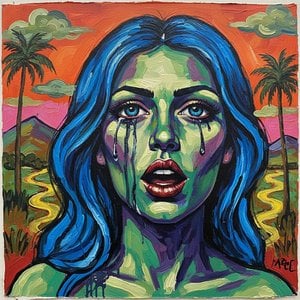
Embark on a journey through the vibrant world of Fauvism. Discover how masters like Henri Matisse revolutionized art through bold colors and raw emotion in this expert-led guide to one of modern art's most powerful movements.


 미리보기
미리보기
 공유하기
공유하기 공유하기
공유하기
 상세 정보
상세 정보 가이드 보기

 다운로드
다운로드
 유사 작품
유사 작품 X-레이
X-레이 슬라이드 쇼
 통계 정보
통계 정보

 더 보기
더 보기









 유리 옵션은 110cm 미만 크기에서만 선택 가능합니다.