
x


 Oil On CanvasWallArtRomanticism
 1847
1847 38.0 x 46.0 cm
 피츠윌리엄 칼리지




























작품의 원본 비율을 유지하는 미리 설정된 크기 중에서 선택하세요.

특정 프레임이나 공간에 맞도록 직접 크기를 입력할 수 있습니다. 선택하신 크기가 원본 이미지의 비율과 일치하지 않는 경우, 작품을 자르거나 추가적인 손으로 그린 요소를 사용하여 그림을 확장합니다. 제작 시작 전 승인을 위해 디지털 목업을 보내드립니다.
화면 미리 보기는 실제 자르기 또는 확장을 반영하지 않습니다. 최종 구성은 목업을 통해서만 정확하게 확인하실 수 있습니다.
맞춤 크기 제작도 가능하지만, 원본 비율을 유지하기 위해 사전 정의된 목록에서 크기를 선택하시는 것을 권장합니다.

Crémieu
복제본 크기
Henri-Joseph Harpignies’ “Crémieu” (1847) is more than just a landscape painting; it's an immersive experience, a carefully constructed tableau that invites contemplation on the relationship between humanity and the vastness of nature. The scene unfolds within the foothills of the French Alps, depicting a rugged, almost primordial terrain dominated by towering cliffs and a winding path that draws the eye relentlessly into the distance. The painting immediately establishes a sense of solitude and grandeur – an emotional resonance deeply rooted in the Romantic tradition, yet subtly informed by Harpignies’ meticulous observation of light and texture.

The composition is masterfully executed, utilizing a strong diagonal line created by the path to guide the viewer’s gaze and establish a dynamic flow through the scene. The foreground, rendered in earthy browns and ochres, features a dirt road and scattered rocks, gradually transitioning into the imposing cliffs that form the central focus of the painting. These cliffs aren't merely geological formations; they possess an almost sculptural quality, their weathered surfaces hinting at centuries of exposure to the elements. In the distance, a subtle atmospheric perspective – a softening of colors and details as depth increases – suggests the immense scale of the landscape and evokes a feeling of both awe and vulnerability.
Harpignies’ work firmly places him within the context of the Barbizon School, a movement that championed direct observation of nature and a rejection of academic artifice. Unlike earlier landscape painters who relied heavily on idealized representations, the Barbizon artists sought to capture the essence of the French countryside as they experienced it – with its rough textures, subtle shifts in light, and inherent imperfections. “Crémieu” exemplifies this approach, eschewing smooth brushstrokes and carefully blended colors in favor of visible marks that convey a sense of immediacy and spontaneity. Furthermore, the painting’s emphasis on atmospheric effects aligns closely with Luminism, a style characterized by its soft, diffused lighting and focus on capturing the subtle nuances of light and shadow.
Born in Valenciennes in 1819, Harpignies initially pursued a business career before dedicating himself to art. His early training under Jean Achard instilled in him a solid foundation in draughtsmanship, while his subsequent journey to Italy exposed him to the principles of the Barbizon School and fostered a deep appreciation for the Italian landscape tradition. The painting’s muted palette – dominated by browns, greens, and grays – contributes significantly to its evocative atmosphere, creating a sense of quiet contemplation and timelessness.
Beyond its technical merits, “Crémieu” carries a subtle symbolic weight. The solitary path winding through the landscape can be interpreted as a metaphor for the human journey – a quest for meaning and purpose amidst the vast uncertainties of life. The towering cliffs represent both strength and vulnerability, reminding us of our own smallness in the face of nature’s power. The painting's overall mood is one of serene solitude, inviting viewers to pause and reflect on their place within the natural world.
Interestingly, the village of Crémieu itself, depicted in the painting, holds a rich history. Situated near Lyon, it served as an important trading center throughout the Middle Ages, benefiting from its strategic location along trade routes. The presence of a medieval castle and monastic settlements further adds to the painting’s historical context.
“Crémieu” is a testament to Harpignies' skill as a landscape painter and his ability to capture the beauty and drama of the French countryside. Reproductions of this captivating artwork are available through WahooArt, offering an opportunity to bring its evocative atmosphere into your home or office. Its timeless appeal and rich symbolism make it a valuable addition to any art collection.

1819년 6월 28일 프랑스 발렌시엔에서 태어난 앙리 조제프 아르피니에는 처음에는 부모님의 기대에 따라 상업적인 길을 걸어야 했습니다. 그러나 예술에 대한 그의 열정은 무시할 수 없었습니다. 벨기에 출신인 그의 가족은 처음 계획했던 것을 뒤로하고 그는 예술가로서의 삶에 헌신했습니다. 스물일곱 살이 되던 해, 그는 파리에 정식으로 입학하여 장 아샤르의 작업실에서 본격적인 미술 교육을 시작했습니다. 이 기초적인 시기는 그의 작품 전반에 걸쳐 중요한 요소로 남을 견고한 드래프팅 기술 개발에 중점을 두었습니다.
아샤르의 지도 아래 2년 동안 교육을 받은 후, 아르피니에는 1848년에 중요한 여정인 이탈리아로 떠났습니다. 이 경험은 그의 예술적 비전에 심오한 영향을 미쳤습니다. 1850년에 귀국한 그는 장 바티스트 카미유 코로를 비롯한 주요 바르비종 학파 화가들과 교류했습니다. 자연에 대한 직접적인 관찰과 전원 생활의 사실적인 묘사를 강조하는 바르비종 화가들의 접근 방식은 아르피니에에게 깊은 공감을 불러일으켰습니다. 1860년, 그는 코로와의 공동 여행을 통해 이탈리아로 다시 돌아와 예술적 유대감을 더욱 강화했습니다.
아르피니에의 스타일은 프랑스 전원의 평화롭고 목가적인 풍경 묘사로 특징지어집니다. 그는 빛과 분위기의 미묘한 차이를 능숙하게 포착하여 고요함과 조화를 불러일으키는 풍경을 창조했습니다. 그의 기법에는 신중한 관찰과 정교한 구도에 대한 이해가 포함되었습니다. 바르비종 학파의 사실주의 영향을 받았지만, 아르피니에는 자신만의 독특한 목소리를 개발했으며 작품에 시적인 감성을 자주 담았습니다.
아르피니에의 예술적 유산은 그의 작품뿐만 아니라 수많은 학생들에게 지식과 기술을 가르친 헌신적인 교육자로서의 역할에도 있습니다. 에밀 아페이(1876-1935)와 제임스 윌슨 모리스(1865-1924)를 포함한 그의 영향력은 19세기 후반과 20세기 초 프랑스 풍경화의 발전에 나타납니다. 그는 바르비종 학파의 영향을 후대에 전달하는 데 기여했습니다.
앙리 조제프 아르피니에는 프랑스 풍경화 역사에서 중요한 위치를 차지합니다. 그의 작품은 자연에 대한 깊은 감상과 정직하고 민감하게 그 아름다움을 포착하려는 노력을 반영합니다. 그는 1916년에 세상을 떠났지만, 오늘날에도 영감을 주고 매료시키는 풍부한 예술적 유산을 남겼습니다. 그의 그림은 발렌스 미술관을 비롯한 주요 박물관 컬렉션에 소장되어 있어 풍경화 거장으로서의 그의 지속적인 인정을 보장합니다.
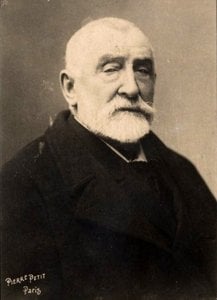
1819 - 1916 , 프랑스

Explore the profound emotional power of Romantic landscape art. Discover how masters like Friedrich captured the sublime through breathtaking nature, and learn to curate these evocative masterpieces for your luxury interior collection.

Explore the profound emotional depth of Romantic landscape painting. Discover how masters captured the sublime through light, shadow, and untamed nature, and learn to bring this timeless, atmospheric beauty into your collection with museum-quality fine art reproductions.


최신 미술 뉴스, 특별 혜택 및 인테리어 아이디어를 가장 먼저 만나보세요.
프로젝트에 대해 알려주시면 저희 미술 전문가들이 맞춤형 아트 제안 3가지를 전달해 드립니다.
당신만을 위한 맞춤형 옵션 3가지를 무료로 추천해 드립니다!


 미리보기
미리보기
 프린트 구매
 공유하기
공유하기 공유하기
공유하기
 상세 정보
상세 정보

 다운로드
다운로드
 유사 작품
유사 작품 X-레이
X-레이 슬라이드 쇼
 더 보기
더 보기









 유리 옵션은 110cm 미만 크기에서만 선택 가능합니다.


