
 EtchingWallArtJapanese Color Woodblock Printmaking
 1918Modern
 22.0 x 17.0 cm
 미국 자연사 박물관
빠른 제작과 다양한 마감 옵션을 제공하는 박물관 품질의 지클레이 또는 캔버스 프린트. ( 손으로 그린 그림 구매 디지털 이미지로 전환)





























작품의 원본 비율을 유지하는 미리 설정된 크기 중에서 선택하세요.

특정 프레임이나 공간에 맞춰 직접 치수를 입력하실 수 있습니다. 선택하신 사이즈가 원본 이미지의 비율과 일치하지 않을 경우, 작품을 크롭(자르기)하거나 이미지를 대칭 또는 단색 채우기로 확장하여 제작합니다. 제작 시작 전, 최종 확인을 위해 디지털 목업이 전송됩니다.
화면상의 미리보기는 실제 크롭이나 확장 상태를 반영하지 않으므로, 최종 구도는 오직 목업을 통해서만 정확하게 확인하실 수 있습니다.
맞춤 사이즈 제작도 가능하지만, 원본 비율을 유지하기 위해서는 사전 정의된 목록에서 치수를 선택하시는 것을 권장합니다.

Little Miss Muffet
복제본 크기
In the delicate interplay of light and shadow found within Helen Hyde’s 1918 masterpiece, “Little Miss Muffet,” we encounter far more than a mere illustration of a nursery rhyme. This striking color etching on paper serves as a profound exploration of vulnerability and the transformative power of quiet observation. At first glance, the viewer is drawn into a peaceful garden setting, where a young figure sits poised upon a bench, lost in the pages of a book. Yet, beneath this tranquil surface lies a sophisticated narrative of resilience. Hyde masterfully captures a moment frozen in time, inviting us to witness the stillness that precedes discovery, making it an exquisite piece for those who appreciate art that speaks softly yet carries immense emotional weight.
The composition is a triumph of understated suggestion. Hyde positions Miss Muffet—a figure embodying innocence and fragility—upon a bench accompanied by another, slightly larger seat, a subtle arrangement that symbolizes stability and the presence of support in a changing world. Above her, a bird perched upon a branch acts as a visual metaphor for freedom and aspiration, creating a beautiful juxtaposition against the grounded, contemplative nature of the child. This careful balance of elements ensures that the artwork remains dynamic, pulling the eye through a landscape of symbolic resonance where every leaf and shadow contributes to a larger story of harmony.
To understand the soul of this work, one must look toward the artist’s profound engagement with Japonisme. Having studied traditional ink painting and woodblock printing techniques in Japan, Hyde brought an Eastern aesthetic sensibility to her American roots. In “Little Miss Muffet,” this influence is palpable in the meticulous attention to detail and the use of muted, harmonious tones. The palette, dominated by earthy browns and serene greens, evokes a sense of timelessness and healing, reminiscent of the contemplative garden traditions found in Japanese art.
The technical execution of this piece is nothing short of extraordinary. Utilizing the complex process of color etching and aquatint, Hyde was able to layer tonal shades to achieve a velvety, rich surface texture that gives the paper a tactile depth. This layering allows for a sophisticated manipulation of light, where shadows do not merely darken the scene but add a sense of atmospheric weight and mystery. For the discerning collector or interior designer, this technical brilliance translates into a reproduction that possesses a remarkable lifelike quality, offering a sophisticated focal point that can anchor a room with its nuanced textures and classical elegance.
Beyond its technical merits, “Little Miss Muffet” stands as a testament to Hyde’s ability to distill complex human emotions into a deceptively simple visual form. It is an invitation to find beauty in unexpected places and to embrace the courage found in moments of quietude. As a piece of art, it transcends its era, offering a timeless message that resonates with the modern desire for peace and mindfulness.
Whether displayed in a curated gallery setting or as a soulful addition to a private study, this work provides an unparalleled sense of sophistication. It is a piece designed for those who seek more than mere decoration; it is for those who wish to surround themselves with art that possesses a narrative heartbeat, a historical soul, and a lasting aesthetic grace.


1868 - 1919 , 미국
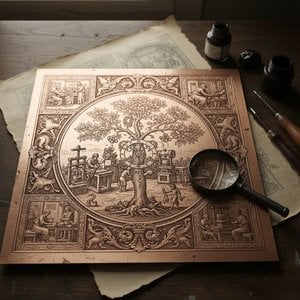
Explore the intricate world of etching and intaglio printmaking. Discover how masters use acid and metal to create profound textures and lines, from Romanticism to modern era, through an expert lens of art history and technical mastery.


 미리보기
미리보기
 공유하기
공유하기 공유하기
공유하기
 상세 정보
상세 정보 가이드 보기

 다운로드
다운로드
 유사 작품
유사 작품 X-레이
X-레이 슬라이드 쇼
 통계 정보
통계 정보 더 보기
더 보기









 유리 옵션은 110cm 미만 크기에서만 선택 가능합니다.


