

작가가 직접 캔버스에 손으로 그린 유화 작품으로, 원하는 크기와 액자로 맞춤 제작해 드립니다. ( 프린트 판매로 전환 디지털 이미지 판매 채널로 전환)
작품의 원본 비율을 그대로 유지하는 프리셋 사이즈 중에서 선택해 보세요.

특정 프레임이나 공간에 맞춰 원하는 크기를 직접 입력하실 수 있습니다. 선택하신 크기가 원본 이미지의 비율과 일치하지 않을 경우, 작품을 자르거나 추가적인 수작업 요소를 더해 그림을 확장하여 제작합니다. 제작 시작 전, 최종 확인을 위해 디지털 목업을 보내드립니다.
화면상의 미리 보기는 실제 크롭(자르기)이나 확장된 상태를 완벽히 반영하지 않을 수 있습니다. 최종 구도는 오직 목업을 통해서만 정확하게 확인하실 수 있습니다.
맞춤 크기 제작도 가능하지만, 원본의 비율을 그대로 유지하기 위해서는 미리 정의된 목록에서 크기를 선택하시는 것을 권장합니다.

The Star
복제본 규격

Harriet Whitney Frishmuth stands as a luminous testament to the enduring spirit of American sculpture during the transformative early twentieth century. Born in Philadelphia in 1880, her formative years were shaped by a profound sense of displacement and discovery; following her parents' divorce, she spent eight vital years traversing Europe with her mother and sisters. This period of continental wandering instilled within her a deep appreciation for diverse artistic traditions, eventually leading her to the heart of the sculptural world in Paris. It was there, amidst the shadows of the École des Beaux-Arts, that she sought instruction from the legendary Auguste Rodin. This early exposure to the masters of movement and emotion provided the foundational language for a career that would later define the elegance of the Art Deco era.
Her artistic development was characterized by an almost scientific devotion to the human form. Beyond the studio, Frishmuth pursued a rigorous understanding of anatomy through dissections at the College of Physicians and Surgeons in New York. This rare intersection of medical precision and artistic intuition allowed her to capture not just the surface of the body, but the very tension of muscle and the fluidity of bone beneath. Her training continued under luminaries such as Cuno von Uechtritz-Steinkirch in Berlin, and later at the Art Students League of New York, where she studied under Gutzon Borglum and Hermon Atkins MacNeil. These influences merged to create a style that was simultaneously grounded in classical technique and vibrantly modern in its energy.
Frishmuth’s oeuvre is most celebrated for its ability to freeze a fleeting moment of kinetic beauty in permanent bronze. She possessed a singular talent for depicting the grace of dancers, a motif that allowed her to explore the limits of balance and poise. Her sculptures often feature female figures caught in mid-motion—a limb extended, a torso twisting, or a weight shifting onto the balls of the feet. One can see this mastery in works like The Vine, where the sinuous lines of a figure interact with organic forms to create a sense of rhythmic harmony. Her work does not merely represent a person; it represents the very essence of vitality and the ephemeral nature of movement.
While her large-scale figures commanded attention in galleries, Frishmuth also found immense success in the realm of decorative arts. Her ability to translate sculptural elegance into functional objects made her a sought-after name for high-end commissions. Her contributions to the Art Deco movement included:
Throughout her long and prolific life, which spanned a full century, Frishmuth remained a central figure in the American art scene. Her membership in prestigious organizations like the National Sculpture Society and the National Academy of Design reflected her high standing among her peers. As an artist who bridged the gap between the classical traditions of the nineteenth century and the streamlined modernism of the twentieth, Harriet Whitney Frishmuth left behind a legacy of bronze that continues to captivate viewers with its timeless sense of grace, strength, and eternal motion.
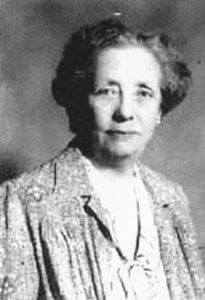
1880 - 1980 , United States of America

 실제 크기로 보기
 보내기
보내기 공유하기
공유하기
 상세 보기
상세 보기 가이드 보기

 이미지 다운로드
 유사 작품 더 보기
 X-레이
X-레이 슬라이드 쇼 보기
 통계 정보
통계 정보
 상세 보기
상세 보기






































 유리 옵션은 110cm 미만 크기에서만 선택 가능합니다.


