
 MetalSculptureContemporary Realism
 1517Renaissance
 8.0 x 8.0 cm
 쿤스트히스토리스체 박물관
원하는 크기와 액자로 주문 제작되는, 작가들이 직접 캔버스에 손으로 그린 유화 작품입니다. ( 프린트 판매로 전환 디지털 이미지로 전환)
작품의 원본 비율을 유지하는 미리 설정된 크기 중에서 선택하세요.

특정 프레임이나 공간에 맞도록 직접 크기를 입력할 수 있습니다. 선택하신 크기가 원본 이미지의 비율과 일치하지 않는 경우, 작품을 자르거나 추가적인 손으로 그린 요소를 사용하여 그림을 확장합니다. 제작 시작 전 승인을 위해 디지털 목업을 보내드립니다.
화면 미리 보기는 실제 자르기 또는 확장을 반영하지 않습니다. 최종 구성은 목업을 통해서만 정확하게 확인하실 수 있습니다.
맞춤 크기 제작도 가능하지만, 원본 비율을 유지하기 위해 사전 정의된 목록에서 크기를 선택하시는 것을 권장합니다.

Konrad Peutinger
복제본 크기
This exquisite piece, depicting Konrad Peutinger on what appears to be an antique medallion or coin, immediately transports the viewer across the centuries. The subject matter itself speaks volumes of historical reverence; it is a tangible echo of Renaissance portraiture and commemorative art. The central profile bust captures the likeness of Konrad Peutinger with remarkable detail, suggesting not merely a man's face, but a figure of considerable intellectual weight within his time. The craftsmanship evident in the embossing—the meticulous rendering of the short hair, the structured headgear, and the neutral yet commanding expression—speaks to the high standards of artistry prevalent during the early sixteenth century.
Examining the surface reveals a fascinating interplay between portraiture and decorative art. The central figure is framed by an elaborate border, a tapestry of stylized patterns including dots, delicate lines, and motifs suggestive of classical foliage or floral arrangements. This rich ornamentation serves to elevate the piece beyond simple portraiture; it transforms it into a miniature work of civic pride or scholarly tribute. The visible signs of age—the subtle discoloration and the patina that speaks of handling over time—do not detract from its beauty but rather deepen its narrative resonance, inviting the collector to contemplate its long journey through history.
The inscription encircling the object, though partially obscured by time, anchors the piece firmly in a specific historical moment. The very act of creating such an artifact—a medallion bearing Latin inscriptions alongside a portrait—was a powerful statement. It was a means of immortalizing status, patronage, and memory. For the modern admirer, this work symbolizes the enduring human desire to be remembered, to have one's achievements etched into something permanent and beautiful. It connects us directly to the scholarly circles and influential patrons who shaped the cultural landscape of the era.
For those seeking an object that marries historical gravitas with decorative elegance, this reproduction offers unparalleled depth. Its rich, aged aesthetic allows it to function beautifully in diverse interior settings—from a library paneled with dark wood to a gallery space favoring classical accents. It is not merely decoration; it is a conversation piece, whispering tales of Renaissance scholarship and enduring human legacy. Owning such an item means curating a corner that feels steeped in culture, intellect, and timeless artistry.

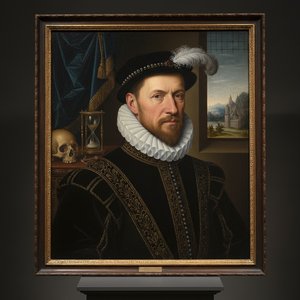
Explore the breathtaking precision of Hans Holbein the Younger. From Tudor royal portraits to intricate Northern Renaissance details, discover the mastery behind his legendary works and learn how to bring this historical grandeur into your collection with museum-quality reproductions.


 공유하기
공유하기 공유하기
공유하기
 상세 정보
상세 정보

 다운로드
다운로드
 유사 작품
유사 작품 슬라이드 쇼
 통계 정보
통계 정보 더 보기
더 보기






































 유리 옵션은 110cm 미만 크기에서만 선택 가능합니다.


