
원하는 크기와 액자로 주문 제작되는, 작가들이 직접 캔버스에 손으로 그린 유화 작품입니다. ( 프린트 판매로 전환 디지털 이미지로 전환)





























작품의 원본 비율을 유지하는 미리 설정된 크기 중에서 선택하세요.

특정 프레임이나 공간에 맞도록 직접 크기를 입력할 수 있습니다. 선택하신 크기가 원본 이미지의 비율과 일치하지 않는 경우, 작품을 자르거나 추가적인 손으로 그린 요소를 사용하여 그림을 확장합니다. 제작 시작 전 승인을 위해 디지털 목업을 보내드립니다.
화면 미리 보기는 실제 자르기 또는 확장을 반영하지 않습니다. 최종 구성은 목업을 통해서만 정확하게 확인하실 수 있습니다.
맞춤 크기 제작도 가능하지만, 원본 비율을 유지하기 위해 사전 정의된 목록에서 크기를 선택하시는 것을 권장합니다.

untitled (6611)
복제본 크기
To encounter an untitled portrait by Hans Holbein the Younger is to step into a realm where the boundary between reality and representation dissolves under the weight of meticulous observation. In this enigmatic masterpiece, the artist captures more than just a likeness; he preserves a moment of profound psychological presence. The subject, a man of unmistakable distinction, is presented in a striking crimson tunic, its vibrant hue anchored by crisp white trim that commands the viewer's immediate attention. A subtle yet significant chain encircles his neck, serving as a quiet testament to his social standing and perhaps hinting at the worldly possessions or spiritual commitments that defined his era. Against a serene, verdant backdrop, the figure exudes a sense of composed confidence, his gaze steady and his posture anchored by the masterful composition that Holbein so expertly crafted.
The true magic of this work lies in its technical execution, a hallmark of the Northern Renaissance. Utilizing oil paint on panel, Holbein achieved a level of luminosity and tonal nuance that remains breathtaking even centuries later. Through the delicate application of layers, he mastered the art of chiaroscuro, allowing light to dance across the subject's features and create a dramatic interplay of shadow that lends the portrait its expressive, three-dimensional power. Every anatomical detail—from the subtle musculature of the face to the precise texture of the beard—is rendered with an almost supernatural accuracy. This dedication to realism does not merely document a person; it breathes life into them, inviting the observer to contemplate the humanity behind the paint.
<Born in the artistic hub of Augsburg, Holbein was a product of a lineage of masters, having honed his skills within the workshop of his father, Hans Holbein the Elder. This upbringing instilled in him a reverence for detail that would eventually make him the preeminent portraitist of the 16th-century English court. This particular piece reflects the humanist ideals of his time—a period where the celebration of individual character and the precise observation of the natural world became paramount. The painting serves as a bridge between the late Gothic tradition and the burgeoning intellectualism of the Renaissance, offering a window into a world of stability, grandeur, and refined taste.
For the discerning collector or interior designer, this artwork offers much more than mere decoration; it provides a focal point of historical depth and sophisticated beauty. The bold contrast between the warm reds and the cool greens creates a visual harmony that can anchor a room, whether placed in a contemporary gallery setting or a classic, traditional study. Owning a high-quality reproduction of such a masterpiece allows one to surround themselves with the quiet dignity of the Renaissance, bringing an atmosphere of intellectual curiosity and timeless elegance into any modern space. It is an invitation to pause, to look closer, and to find inspiration in the enduring legacy of one of history's greatest observers.


1497 - 1543 , 이탈리아

Embark on a visual journey through Early Medieval art. Explore the profound beauty of illuminated manuscripts, sacred symbols, and golden light through an expert historical lens, celebrating the enduring legacy of medieval craftsmanship and divine artistry.
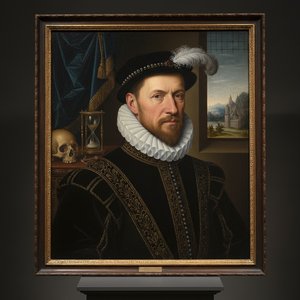
Explore the breathtaking precision of Hans Holbein the Younger. From Tudor royal portraits to intricate Northern Renaissance details, discover the mastery behind his legendary works and learn how to bring this historical grandeur into your collection with museum-quality reproductions.


 미리보기
미리보기
 공유하기
공유하기 공유하기
공유하기
 상세 정보
상세 정보

 다운로드
다운로드
 유사 작품
유사 작품 X-레이
X-레이 슬라이드 쇼
 통계 정보
통계 정보

 더 보기
더 보기









 유리 옵션은 110cm 미만 크기에서만 선택 가능합니다.


![장 드 댕트빌과 조르주 드 셀의 이중 초상화 (일명 대사들) [세부 사항] — 한스 홀바인, 북부 르네상스](/media/artworks/images-thumb/bb/ab/bbab7ce77b7dd15d23d21114a63b51a4.jpg)


![장 드 댕트빌과 조르주 드 셀브의 이중 초상화 (일명 ‘대사들’) [세부 상세]](/media/artworks/images-thumb/42/81/42813dc49b2f72bce897aaf8b747ad5b.jpg)


