
빠른 제작과 다양한 마감 옵션을 제공하는 박물관 품질의 지클레이 또는 캔버스 프린트. ( 손으로 그린 그림 구매 디지털 이미지로 전환)





























작품의 원본 비율을 유지하는 미리 설정된 크기 중에서 선택하세요.

특정 프레임이나 공간에 맞춰 직접 치수를 입력하실 수 있습니다. 선택하신 사이즈가 원본 이미지의 비율과 일치하지 않을 경우, 작품을 크롭(자르기)하거나 이미지를 대칭 또는 단색 채우기로 확장하여 제작합니다. 제작 시작 전, 최종 확인을 위해 디지털 목업이 전송됩니다.
화면상의 미리보기는 실제 크롭이나 확장 상태를 반영하지 않으므로, 최종 구도는 오직 목업을 통해서만 정확하게 확인하실 수 있습니다.
맞춤 사이즈 제작도 가능하지만, 원본 비율을 유지하기 위해서는 사전 정의된 목록에서 치수를 선택하시는 것을 권장합니다.

erasmus
복제본 크기
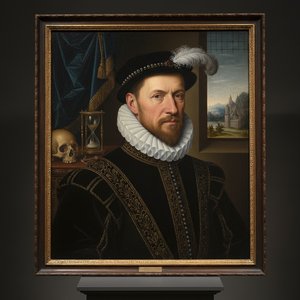
Hans Holbein the Younger's “Portrait of Erasmus of Rotterdam,” painted around 1523, isn’t merely a likeness; it’s an intimate glimpse into the soul of one of the most influential humanists of his time. This remarkable work transcends simple portraiture, offering a profound meditation on scholarship, contemplation, and the very act of creation. The painting immediately draws the viewer in with its remarkably realistic depiction of Erasmus, a man whose intellectual pursuits shaped the course of European thought. Holbein’s skill isn't just evident in the meticulous rendering of wrinkles and textures – the slightly furrowed brow, the subtle sag beneath the chin – but also in his ability to convey a sense of profound concentration.
The scene unfolds within an interior setting, subtly suggesting Erasmus’s scholarly world. A tapestry depicting fantastical flora and beasts hints at the vastness of classical knowledge he sought to master. The wooden paneling, a hallmark of Renaissance interiors, anchors the composition while simultaneously drawing attention to the central figure. Crucially, Holbein doesn't present Erasmus as an aloof sage; instead, he captures him actively engaged in his work – poised over a writing desk, quill in hand, immersed in the process of intellectual labor. This dynamic pose is revolutionary for its time, moving away from static depictions of learned men and offering a more relatable image of the scholar at work.
Erasmus himself was a pivotal figure in the burgeoning humanist movement, advocating for a return to classical learning and a critical examination of religious dogma. His “Annotations on the New Testament,” groundbreaking works that championed textual accuracy and ethical reasoning, profoundly impacted the Reformation. Holbein’s portrait perfectly embodies this humanist ideal – Erasmus is presented as an individual driven by reason, intellect, and a deep engagement with the world of ideas. The open book on the desk, likely containing excerpts from his own writings, further reinforces this connection to scholarship.
The inclusion of the Latin couplet, “I am Johannes (i.e. Hans) Holbein, whom it is easier to denigrate than to emulate,” inscribed on the back of the panel, adds a layer of self-awareness and playful irony. It’s a subtle acknowledgment of Holbein's own artistic prowess and a testament to the enduring challenge of capturing true likeness. This inscription also highlights the reciprocal relationship between artist and subject – Erasmus recognized Holbein’s skill while simultaneously acknowledging the difficulty in replicating his essence.
Holbein's mastery is immediately apparent in the painting’s technical execution. The use of oil paint on wood allows for incredible detail, depth, and luminosity. Notice the subtle gradations of light and shadow that model Erasmus’s face, creating a sense of volume and realism. The artist employs *sfumato*, a technique borrowed from Leonardo da Vinci, to soften edges and create an atmospheric effect, lending the portrait a sense of immediacy and intimacy.
Furthermore, Holbein demonstrates remarkable attention to texture – the rough weave of the fur collar, the sheen of the leather-bound book, the delicate brushstrokes that capture the quill’s point. These details elevate the painting beyond mere representation, transforming it into a tangible embodiment of Erasmus's world and his intellectual pursuits. The presence of *pentimenti*—evidence of alterations made during the painting process—further underscores Holbein’s meticulous approach and his willingness to refine his work until it perfectly captured the subject’s essence.
“Portrait of Erasmus of Rotterdam” remains a powerful testament to the enduring legacy of Renaissance humanism. It's more than just a beautiful painting; it’s a window into the mind of a brilliant scholar and a celebration of the pursuit of knowledge. The portrait’s continued appeal lies in its ability to evoke a sense of intellectual curiosity, quiet contemplation, and the profound connection between art and ideas. Reproductions of this iconic work offer a chance to bring this timeless image into any space, serving as a constant reminder of the power of human intellect and the beauty of artistic expression.


1497 - 1543 , 이탈리아

Explore the profound secrets of classical oil painting. From the delicate mastery of glazing to the dramatic depth of chiaroscuro, discover the timeless techniques used by Old Masters to create enduring, museum-quality masterpieces that capture light and emotion.

Explore the hidden secrets of Old Master paintings through X-ray imaging and radiography. Discover how science reveals pentimento, pigment alchemy, and the profound layers of history beneath the surface of classical masterpieces.

Discover the art of luxury living with our guide to commissioning custom Old Masters style portraits. Learn how to transform personal memories into timeless, hand-painted oil masterpieces through expert craftsmanship and bespoke historical techniques.
Explore the breathtaking precision of Hans Holbein the Younger. From Tudor royal portraits to intricate Northern Renaissance details, discover the mastery behind his legendary works and learn how to bring this historical grandeur into your collection with museum-quality reproductions.


 미리보기
미리보기
 공유하기
공유하기 공유하기
공유하기
 상세 정보
상세 정보

 다운로드
다운로드
 유사 작품
유사 작품 X-레이
X-레이 슬라이드 쇼
 통계 정보
통계 정보

 더 보기
더 보기









 유리 옵션은 110cm 미만 크기에서만 선택 가능합니다.


![장 드 댕트빌과 조르주 드 셀의 이중 초상화 (일명 대사들) [세부 사항]](/media/artworks/images-thumb/bb/ab/bbab7ce77b7dd15d23d21114a63b51a4.jpg)

![장 드 댕트빌과 조르주 드 셀브의 이중 초상화 (일명 ‘대사들’) [세부 상세]](/media/artworks/images-thumb/42/81/42813dc49b2f72bce897aaf8b747ad5b.jpg)


