
 Oil On PanelRenaissance Humanism
 1523Renaissance
 43.0 x 33.0 cm
 루브르 박물관
원하는 크기와 액자로 주문 제작되는, 작가들이 직접 캔버스에 손으로 그린 유화 작품입니다. ( 프린트 판매로 전환 디지털 이미지로 전환)





























작품의 원본 비율을 유지하는 미리 설정된 크기 중에서 선택하세요.

특정 프레임이나 공간에 맞도록 직접 크기를 입력할 수 있습니다. 선택하신 크기가 원본 이미지의 비율과 일치하지 않는 경우, 작품을 자르거나 추가적인 손으로 그린 요소를 사용하여 그림을 확장합니다. 제작 시작 전 승인을 위해 디지털 목업을 보내드립니다.
화면 미리 보기는 실제 자르기 또는 확장을 반영하지 않습니다. 최종 구성은 목업을 통해서만 정확하게 확인하실 수 있습니다.
맞춤 크기 제작도 가능하지만, 원본 비율을 유지하기 위해 사전 정의된 목록에서 크기를 선택하시는 것을 권장합니다.

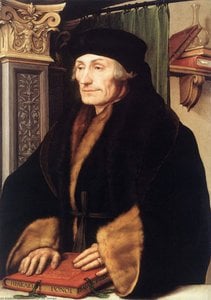
Erasmus
복제본 크기
In the quiet, focused atmosphere of Hans Holbein the Younger’s 1523 masterpiece, we encounter more than just a likeness; we enter the very mind of the Northern Renaissance. The Portrait of Erasmus of Rotterdam is a profound meditation on humanism, capturing the essence of a man whose intellect would irrevocently reshape European theology and philosophy. As you gaze upon this oil on panel, you are not merely observing a scholar at work, but witnessing the birth of modern critical thought. Holbein does not rely on grand gestures or opulent surroundings to command attention; instead, he utilizes a masterful intimacy that draws the viewer into the private, contemplative world of one of history's most influential thinkers.
The subject, Desiderius Erasmus, sits as a beacon of intellectual fervor. Captured in a moment of intense concentration, his head is turned slightly, eyes perhaps tracing the lines of a text or lost in the profound weight of his own reflections. There is a palpable sense of movement in his hands—the delicate act of writing upon parchment that suggests the ongoing, restless nature of scholarly pursuit. This is not a static monument to a dead man, but a living, breathing portrait of a mind in motion, making it an extraordinary piece for any collection seeking to evoke depth, wisdom, and the timeless pursuit of knowledge.
To behold a Holbein is to witness the pinnacle of Northern Renaissance technique. The artist’s ability to manipulate oil paint on a small scale achieves an astonishing level of realism that feels almost tactile. Every subtle nuance of Erasmus’s weathered features, every fold in his dark, scholarly robes, and the very texture of the parchment he holds are rendered with breathtaking precision. Holbein employs a sophisticated use of light and shadow—a technique known as chiaroscendo—to create a sense of three-dimensional volume that makes the figure emerge from the panel with startling vitality.
The composition is anchored by a classic pyramidal structure, a choice that instills a sense of stability and monumental dignity within the relatively small dimensions of the work. This structural strength is balanced by a muted, somber palette that directs all emotional energy toward the subject's face and hands. For the discerning collector or interior designer, this painting offers a sophisticated aesthetic; its understated elegance allows it to serve as a powerful focal point in a study, library, or formal living space, providing an atmosphere of quiet prestige and intellectual gravity.
Beyond the technical brilliance lies a rich tapestry of symbolic meaning. The presence of the book and the act of writing are not merely biographical details; they are symbols of the humanist movement itself—the belief in the power of classical learning, literacy, and the reform of institutions through reasoned inquiry. The subtle interplay between the dark attire of the scholar and the soft, luminous skin tones creates a visual metaphor for the light of knowledge piercing through the shadows of ignorance. Even the background, with its delicate textures, serves to ground the subject in a world of tangible reality while allowing his intellectual presence to remain transcendent.
Owning a high-quality reproduction of this work is an invitation to surround oneself with the spirit of the Renaissance. It is a piece that speaks to the enduring value of education, the beauty of meticulous craftsmanship, and the profound impact of a single, well-reasoned thought. Whether placed in a contemporary setting to provide historical contrast or in a traditional room to enhance its classical dignity, Erasmus remains an evocative masterpiece that continues to inspire awe and contemplation centuries after its creation.


1497 - 1543 , 이탈리아
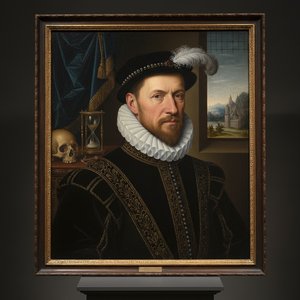
Explore the breathtaking precision of Hans Holbein the Younger. From Tudor royal portraits to intricate Northern Renaissance details, discover the mastery behind his legendary works and learn how to bring this historical grandeur into your collection with museum-quality reproductions.

Explore the refined world of Neoclassical portraiture. Discover the mastery of line, light, and order through an expert exploration of academic art history, from Jacques-Louis David to Jean-Antoine Houdon. Immerse yourself in the timeless elegance of classical realism.


 미리보기
미리보기
 공유하기
공유하기 공유하기
공유하기
 상세 정보
상세 정보

 다운로드
다운로드
 유사 작품
유사 작품 X-레이
X-레이 슬라이드 쇼
 통계 정보
통계 정보 더 보기
더 보기









 유리 옵션은 110cm 미만 크기에서만 선택 가능합니다.




![장 드 댕트빌과 조르주 드 셀의 이중 초상화 (일명 대사들) [세부 사항]](/media/artworks/images-thumb/bb/ab/bbab7ce77b7dd15d23d21114a63b51a4.jpg)

![장 드 댕트빌과 조르주 드 셀브의 이중 초상화 (일명 ‘대사들’) [세부 상세]](/media/artworks/images-thumb/42/81/42813dc49b2f72bce897aaf8b747ad5b.jpg)


