빠른 제작과 다양한 마감 옵션을 제공하는 박물관 품질의 지클레이 또는 캔버스 프린트. ( 손으로 그린 그림 구매 디지털 이미지로 전환)





























작품의 원본 비율을 유지하는 미리 설정된 크기 중에서 선택하세요.

특정 프레임이나 공간에 맞춰 직접 치수를 입력하실 수 있습니다. 선택하신 사이즈가 원본 이미지의 비율과 일치하지 않을 경우, 작품을 크롭(자르기)하거나 이미지를 대칭 또는 단색 채우기로 확장하여 제작합니다. 제작 시작 전, 최종 확인을 위해 디지털 목업이 전송됩니다.
화면상의 미리보기는 실제 크롭이나 확장 상태를 반영하지 않으므로, 최종 구도는 오직 목업을 통해서만 정확하게 확인하실 수 있습니다.
맞춤 사이즈 제작도 가능하지만, 원본 비율을 유지하기 위해서는 사전 정의된 목록에서 치수를 선택하시는 것을 권장합니다.

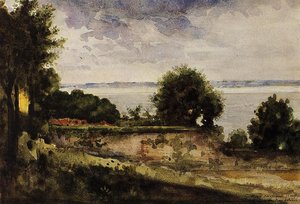
The Scottish Horseman
복제본 크기
Gustave Moreau's "The Scottish Horseman" is not merely a depiction of a rider and his steed; it’s an evocative journey into the realm of Romanticism, steeped in Symbolist ideals. Painted around the 1850s, this work stands as a fascinating bridge between the artist’s early academic training and the burgeoning mystical style that would define his career. The painting immediately draws the eye to its central figure – a lone horseman clad in traditional Scottish attire, galloping across a dramatic landscape beneath a swirling, cloud-laden sky. The composition is dynamic, imbued with a sense of forward momentum as both man and beast seem propelled by an unseen force. It’s a scene that whispers of adventure, freedom, and the untamed spirit of the Highlands.
Moreau's artistic lineage is clearly visible in “The Scottish Horseman,” particularly through his debt to Eugène Delacroix. Delacroix’s influence isn’t simply stylistic; it’s a shared sensibility for dramatic composition, vibrant color, and the exploration of exotic or historically resonant subjects. The painting recalls Delacroix's own masterpiece, "Tam O'Shanter," inspired by Robert Burns’ ballad, in its depiction of a wild ride against a tempestuous backdrop. Moreau, having studied Delacroix’s work firsthand, absorbed this passion for narrative and emotional intensity. However, Moreau doesn’t merely imitate; he infuses the scene with his own unique sensibility, moving beyond straightforward illustration towards a more symbolic and atmospheric representation. The horseman isn't simply *in* the landscape; he is inextricably linked to it, embodying its rugged beauty and untamed energy.
While seemingly a straightforward depiction of Scottish life, “The Scottish Horseman” operates on multiple layers. The kilt-clad figure isn’t just a representation of national identity; he embodies a romanticized vision of Celtic heritage – a connection to ancient myths and legends. The mountainous terrain, rendered with a dramatic interplay of light and shadow, suggests both physical challenge and spiritual ascent. The turbulent sky hints at the unpredictable forces of nature and perhaps even the inner turmoil of the rider himself. Moreau was deeply fascinated by mythology and literature, and his paintings are often laden with symbolic meaning. In this work, the horse itself can be interpreted as a symbol of power, freedom, and untamed instinct, while the solitary figure suggests a quest for self-discovery or a confrontation with fate. The painting’s enduring appeal lies in its ability to evoke these complex emotions and interpretations.
Moreau's technical skill is evident in every brushstroke of “The Scottish Horseman.” He masterfully balances meticulous detail – particularly in the rendering of the horse’s musculature and the folds of the kilt – with a broader, more atmospheric approach to the landscape. The use of color is equally impressive; muted tones are punctuated by flashes of light that draw the eye and create a sense of drama. The painting's surface isn’t smooth or polished; it retains a visible texture, adding to its tactile quality and emphasizing the artist’s hand in its creation. This technique contributes to the overall feeling of movement and energy, making the scene feel alive and immediate. It is this combination of technical precision and emotional depth that solidifies Moreau's place as a pivotal figure in the Symbolist movement.


1826 - 1898 , 프랑스
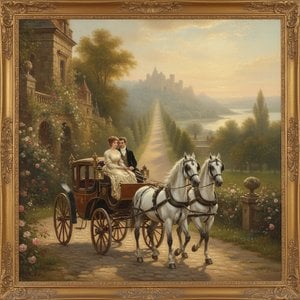
Embark on a visual journey through the romantic world of horse carriage art. Discover the mastery of equestrian oil paintings, from Impressionist textures to classical realism, and learn how to bring timeless elegance into your home with museum-quality reproductions.


 미리보기
미리보기
 공유하기
공유하기 공유하기
공유하기
 상세 정보
상세 정보

 다운로드
다운로드
 유사 작품
유사 작품 X-레이
X-레이 슬라이드 쇼
 통계 정보
통계 정보
 더 보기
더 보기









 유리 옵션은 110cm 미만 크기에서만 선택 가능합니다.