
원하는 크기와 액자로 주문 제작되는, 작가들이 직접 캔버스에 손으로 그린 유화 작품입니다. ( 프린트 판매로 전환 디지털 이미지로 전환)





























작품의 원본 비율을 유지하는 미리 설정된 크기 중에서 선택하세요.

특정 프레임이나 공간에 맞도록 직접 크기를 입력할 수 있습니다. 선택하신 크기가 원본 이미지의 비율과 일치하지 않는 경우, 작품을 자르거나 추가적인 손으로 그린 요소를 사용하여 그림을 확장합니다. 제작 시작 전 승인을 위해 디지털 목업을 보내드립니다.
화면 미리 보기는 실제 자르기 또는 확장을 반영하지 않습니다. 최종 구성은 목업을 통해서만 정확하게 확인하실 수 있습니다.
맞춤 크기 제작도 가능하지만, 원본 비율을 유지하기 위해 사전 정의된 목록에서 크기를 선택하시는 것을 권장합니다.

the chimeras (detail)
복제본 크기
Gustave Moreau's “The Chimeras (Detail)” isn’t merely a painting; it’s an invitation to step through a looking glass into a realm where the boundaries between reality, mythology, and the subconscious dissolve. Completed around 1884, this monumental work—originally conceived as part of a larger, sprawling tableau—captures a potent moment of fantastical creation, brimming with symbolic weight and a haunting beauty. It’s a testament to Moreau's profound understanding of Symbolism, his ability to translate inner emotional landscapes into meticulously rendered visual narratives.
The scene unfolds within a densely populated architectural setting, reminiscent of a medieval city viewed through the lens of a fever dream. Towering structures, hinting at both Romanesque and Gothic influences, recede into a hazy distance, creating an atmosphere of timelessness and mystery. At the heart of this intricate composition stands a colossal tree-like structure, its branches supporting a menagerie of chimeric creatures – beings born from the fusion of human, animal, and mythological forms. These aren’t simple monsters; they possess a strange allure, their hybrid features suggesting both vulnerability and power.
Moreau's masterful use of color immediately establishes the painting’s otherworldly quality. The palette is dominated by muted earth tones – ochres, browns, beiges, and subtle blues – evoking the aged parchment or faded fresco of a centuries-old manuscript. This deliberate choice lends the scene an air of antiquity, as if it were unearthed from the depths of forgotten lore. The colors aren’t vibrant; instead, they possess a velvety depth, creating a sense of tactile richness that draws the viewer in. Notice how the light is diffused and even, avoiding dramatic highlights or shadows – this contributes to the overall dreamlike atmosphere, blurring the lines between reality and illusion.
“The Chimeras” is rich in symbolic meaning, reflecting Moreau’s fascination with mythology, religion, and the human psyche. The chimeras themselves represent a potent blend of opposing forces – beauty and horror, creation and destruction, reason and instinct. The central figure, a woman embracing a serpent with a human head, embodies themes of temptation, knowledge, and transformation. The presence of winged creatures, reminiscent of angels and demons, suggests the eternal struggle between good and evil. The architectural backdrop—a blend of Romanesque and Gothic styles—can be interpreted as representing the layers of history and tradition that shape human experience.
Notably, Moreau’s inspiration for this piece is often linked to Vittore Carpaccio's “The Crucifixion and the Glorification of the Ten Thousand Martyrs on Mt Arat,” a work which he studied extensively at the Gallerie dell'Accademia in Venice. This influence is evident in the painting's composition and its focus on allegorical figures.Moreau’s “The Chimeras (Detail)” stands as a cornerstone of Symbolist art, embodying the movement’s core principles: an emphasis on subjective experience, emotional intensity, and the exploration of hidden realms. It's a painting that rewards repeated viewing, revealing new layers of meaning with each encounter. Reproductions offer a chance to bring this captivating vision into your own space, allowing you to immerse yourself in Moreau’s dreamscape—a testament to the enduring power of imagination and the beauty of the surreal.

1826 - 1898 , 프랑스
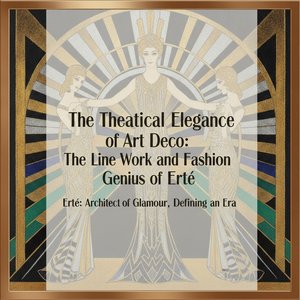
Discover the unparalleled elegance of Art Deco through the lens of Erté. Explore a masterclass in linear precision, theatrical costume design, and high-fashion illustration that continues to define modern luxury and sophisticated interior aesthetics.

Discover the breathtaking allure of Art Deco. Explore the era's iconic geometry, legendary designers like Erté, and timeless glamour. Perfect for discerning collectors seeking to infuse their spaces with sophisticated modernist elegance and historical prestige.
Discover the allure of Art Deco through a curated guide to its most iconic masterpieces. Explore the elegance of Erté and the innovation of Jean Dunand, perfect for collectors seeking timeless glamour and sophisticated design inspiration.

Embark on a sophisticated journey through the eternal allure of mythological art. Discover how master painters breathe life into ancient legends, from Greek deities to Baroque masterpieces, and learn to curate these timeless narratives within your own exquisite art collection.
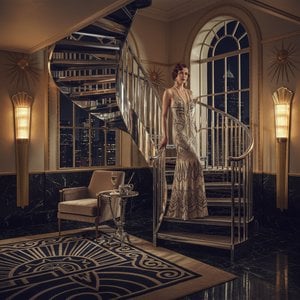
Discover the allure of Art Deco style with our expert guide to luxury interiors. Explore iconic influences from Erté to Jean Dunand and learn to curate a sophisticated space filled with timeless glamour and geometric elegance.


 미리보기
미리보기
 공유하기
공유하기 공유하기
공유하기
 상세 정보
상세 정보

 다운로드
다운로드
 유사 작품
유사 작품 X-레이
X-레이 슬라이드 쇼
 통계 정보
통계 정보

 더 보기
더 보기









 유리 옵션은 110cm 미만 크기에서만 선택 가능합니다.


