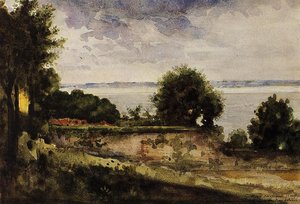
빠른 제작과 다양한 마감 옵션을 제공하는 박물관 품질의 지클레이 또는 캔버스 프린트. ( 손으로 그린 그림 구매 디지털 이미지로 전환)





























작품의 원본 비율을 유지하는 미리 설정된 크기 중에서 선택하세요.

특정 프레임이나 공간에 맞춰 직접 치수를 입력하실 수 있습니다. 선택하신 사이즈가 원본 이미지의 비율과 일치하지 않을 경우, 작품을 크롭(자르기)하거나 이미지를 대칭 또는 단색 채우기로 확장하여 제작합니다. 제작 시작 전, 최종 확인을 위해 디지털 목업이 전송됩니다.
화면상의 미리보기는 실제 크롭이나 확장 상태를 반영하지 않으므로, 최종 구도는 오직 목업을 통해서만 정확하게 확인하실 수 있습니다.
맞춤 사이즈 제작도 가능하지만, 원본 비율을 유지하기 위해서는 사전 정의된 목록에서 치수를 선택하시는 것을 권장합니다.

Poney ou Cavalier écossais
복제본 크기
Gustave Moreau's “Poney ou Cavalier écossais” (Scottish Horseman) is not merely a depiction of a man and his mount; it’s a window into the artist’s deeply imaginative world, a realm where mythology, literature, and personal symbolism converge. Painted sometime in the 1870s, this work stands as a fascinating bridge between Moreau's earlier Romantic inclinations and the burgeoning Symbolist movement he would come to define. The painting presents a solitary rider traversing an expansive field beneath a dramatic, cloud-strewn sky. The figure, cloaked and hatted, is poised with an arm raised—a gesture that feels less about control of the animal and more akin to a reaching towards something unseen, perhaps a spiritual aspiration or a forgotten legend. The horse itself dominates the composition, its powerful form rendered with meticulous detail, suggesting both strength and a wild, untamed spirit.
Moreau’s artistic journey was profoundly shaped by his admiration for Eugène Delacroix, whose vibrant colors and exotic subjects resonated deeply within him. The influence is palpable in “Poney ou Cavalier écossais,” particularly in the dynamic interplay between light and shadow and the emotional intensity conveyed through the landscape. However, Moreau wasn’t simply imitating; he was evolving beyond the purely representational. The painting isn't a straightforward portrayal of Scottish life but rather an evocation of its atmosphere—a sense of rugged beauty, ancient history, and perhaps even melancholy. This shift towards subjective experience is a hallmark of Symbolism, which rejected Realism and Impressionism’s focus on objective observation in favor of exploring inner worlds and spiritual truths. The inclusion of birds scattered throughout the scene adds to this ethereal quality, hinting at freedom and transcendence.
While seemingly straightforward in its subject matter, “Poney ou Cavalier écossais” is steeped in layers of potential symbolism. The Scottish Highlands themselves held a romantic allure for many 19th-century artists and writers, representing a land of untamed nature and ancient traditions. The horse, a recurring motif in Moreau’s work, often embodies primal energy and instinctual power. The rider's raised arm could be interpreted as an invocation—a plea to the forces of nature or the spirits of the past. It is also worth noting that Moreau was deeply fascinated by literature, particularly works like Sir Walter Scott’s novels which romanticized Scottish history and folklore. The painting may therefore allude to specific narratives or characters from these tales, inviting viewers to engage in their own imaginative interpretations. The work's ambiguity is intentional; Moreau sought not to dictate meaning but to evoke emotion and stimulate contemplation.
Moreau’s meticulous technique is evident in every brushstroke of “Poney ou Cavalier écossais.” He employed a painstaking approach, building up layers of paint to create rich textures and luminous effects. The rendering of the horse's coat, for example, demonstrates his mastery of light and shadow, capturing both its muscularity and its sheen. The atmospheric perspective—the way in which colors fade and details soften with distance—creates a sense of depth and vastness. Moreau’s dedication to detail wasn’t merely about technical skill; it was integral to his symbolic vision. By imbuing every element of the painting with significance, he transformed a simple scene into a complex and evocative work of art. Today, the original resides within the Musée Gustave Moreau in Paris, a testament to his enduring legacy as one of Symbolism’s most important figures.


1826 - 1898 , 프랑스

Embark on a sophisticated journey through the eternal allure of mythological art. Discover how master painters breathe life into ancient legends, from Greek deities to Baroque masterpieces, and learn to curate these timeless narratives within your own exquisite art collection.

Explore the profound beauty of mythological figures through the lens of art history. From Renaissance masterpieces to custom oil reproductions, discover how legendary tales of heroism and divinity are immortalized in fine art for discerning collectors.
Embark on a visual journey through the romantic world of horse carriage art. Discover the mastery of equestrian oil paintings, from Impressionist textures to classical realism, and learn how to bring timeless elegance into your home with museum-quality reproductions.


 미리보기
미리보기
 공유하기
공유하기 공유하기
공유하기
 상세 정보
상세 정보

 다운로드
다운로드
 유사 작품
유사 작품 X-레이
X-레이 슬라이드 쇼
 통계 정보
통계 정보
 더 보기
더 보기









 유리 옵션은 110cm 미만 크기에서만 선택 가능합니다.