
빠른 제작과 다양한 마감 옵션을 제공하는 박물관 품질의 지클레이 또는 캔버스 프린트. ( 손으로 그린 그림 구매 디지털 이미지로 전환)





























작품의 원본 비율을 유지하는 미리 설정된 크기 중에서 선택하세요.

특정 프레임이나 공간에 맞춰 직접 치수를 입력하실 수 있습니다. 선택하신 사이즈가 원본 이미지의 비율과 일치하지 않을 경우, 작품을 크롭(자르기)하거나 이미지를 대칭 또는 단색 채우기로 확장하여 제작합니다. 제작 시작 전, 최종 확인을 위해 디지털 목업이 전송됩니다.
화면상의 미리보기는 실제 크롭이나 확장 상태를 반영하지 않으므로, 최종 구도는 오직 목업을 통해서만 정확하게 확인하실 수 있습니다.
맞춤 사이즈 제작도 가능하지만, 원본 비율을 유지하기 위해서는 사전 정의된 목록에서 치수를 선택하시는 것을 권장합니다.

Hesiod and the Muse
복제본 크기
Gustave Moreau’s “Hesiod and the Muse” isn't merely a depiction of two figures; it’s an immersion into a dreamscape, a carefully constructed tableau brimming with mythological resonance and deeply personal symbolism. Painted in 1891 during his most intensely Symbolist period, the canvas unfolds like a meticulously crafted allegory – a visual poem exploring the very nature of artistic creation and the divine spark that ignites it. Moreau, a master of layering textures and manipulating light, transports us to a realm where reality blurs with myth, inviting contemplation on the origins of storytelling and the role of inspiration.
The composition itself is a marvel of intricate detail. Two angels, rendered with an almost ethereal quality, dominate the foreground – one on the left, holding a violin, the other a harp. Their postures are graceful yet imbued with a sense of quiet intensity, suggesting a shared communion. Behind them, a hazy background reveals a rocky landscape and a distant temple, anchoring the scene in classical antiquity while simultaneously elevating it to a realm beyond earthly concerns. Moreau’s technique is characterized by his lavish use of color – rich reds, deep blues, and shimmering golds—applied with meticulous brushstrokes that create an astonishingly tactile surface. He employs a glazing technique, layering thin washes of paint over each other to build up depth and luminosity, mimicking the effects of stained glass and creating a mesmerizing visual texture.
Moreau wasn’t simply illustrating a myth; he was translating it into a visual language laden with personal meaning. Hesiod, the Greek poet traditionally credited with composing the *Theogony* – an account of the origins of the gods – is presented as receiving guidance from the Muses, goddesses of inspiration and the arts. The instruments they hold—the violin and harp—represent the tools of artistic expression, while their proximity to Hesiod symbolizes the divine influence that fuels creativity. The smaller figures in the background are not merely decorative; they likely represent the various sources of inspiration – memories, emotions, and experiences – that contribute to the artist’s vision. The presence of a shield covered with flowers hints at the nurturing power of nature and the cyclical rhythms of life and creation.
The painting can be interpreted as a self-portrait of Moreau himself, reflecting his own struggle to capture the elusive essence of artistic inspiration. It's a meditation on the process of translating subjective experience into tangible form, mirroring the poet’s task of giving voice to the stories and myths that shaped Greek culture.
WahooArt offers exquisite, hand-painted reproductions of Gustave Moreau's "Hesiod and the Muse," allowing you to bring this captivating masterpiece into your own space. Each reproduction is created by skilled artisans using traditional oil painting techniques, meticulously replicating Moreau’s intricate details and luminous color palette. Whether adorning a grand salon or adding a touch of enigmatic beauty to a smaller room, this artwork will serve as a constant reminder of the power of myth, symbolism, and artistic inspiration. Explore our collection and claim your own piece of art history today!


1826 - 1898 , 프랑스

Embark on a sophisticated journey through the eternal allure of mythological art. Discover how master painters breathe life into ancient legends, from Greek deities to Baroque masterpieces, and learn to curate these timeless narratives within your own exquisite art collection.
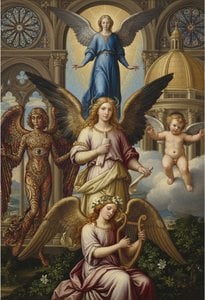
Explore the profound beauty of angelic figures in art history. From Renaissance masterpieces to celestial symbolism, our expert guide offers a sophisticated journey through the divine imagery of the Old Masters for discerning collectors and art enthusiasts.

Explore the profound tension between Impressionism's light-drenched realism and Symbolism's evocative dreamscapes. An expert art-historical journey into how 19th-century masters captured both the visible world and the unseen human psyche through myth, metaphor, and emotion.
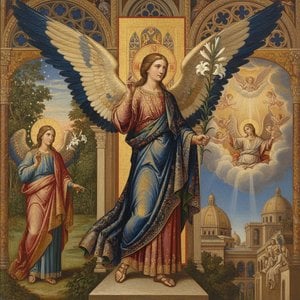
Explore the profound beauty of Angel Gabriel in art history. From Renaissance masterpieces to Baroque splendor, our expert guide delves into the sacred iconography and timeless techniques of these divine messengers for the discerning art enthusiast.

Explore the profound beauty of mythological figures through the lens of art history. From Renaissance masterpieces to custom oil reproductions, discover how legendary tales of heroism and divinity are immortalized in fine art for discerning collectors.


 미리보기
미리보기
 공유하기
공유하기 공유하기
공유하기
 상세 정보
상세 정보 가이드 보기

 다운로드
다운로드
 유사 작품
유사 작품 X-레이
X-레이 슬라이드 쇼
 통계 정보
통계 정보

 더 보기
더 보기









 유리 옵션은 110cm 미만 크기에서만 선택 가능합니다.


