
빠른 제작과 다양한 마감 옵션을 제공하는 박물관 품질의 지클레이 또는 캔버스 프린트. ( 손으로 그린 그림 구매 디지털 이미지로 전환)





























작품의 원본 비율을 유지하는 미리 설정된 크기 중에서 선택하세요.

특정 프레임이나 공간에 맞춰 직접 치수를 입력하실 수 있습니다. 선택하신 사이즈가 원본 이미지의 비율과 일치하지 않을 경우, 작품을 크롭(자르기)하거나 이미지를 대칭 또는 단색 채우기로 확장하여 제작합니다. 제작 시작 전, 최종 확인을 위해 디지털 목업이 전송됩니다.
화면상의 미리보기는 실제 크롭이나 확장 상태를 반영하지 않으므로, 최종 구도는 오직 목업을 통해서만 정확하게 확인하실 수 있습니다.
맞춤 사이즈 제작도 가능하지만, 원본 비율을 유지하기 위해서는 사전 정의된 목록에서 치수를 선택하시는 것을 권장합니다.

Wounded Man WBM
복제본 크기
Gustave Courbet’s “The Wounded Man,” completed in 1845, stands as a cornerstone of Realism—a movement that irrevocably challenged the prevailing Romantic aesthetic and championed an unflinching portrayal of everyday life. More than just a depiction of human anatomy, this painting embodies Courbet's profound conviction that art should reflect the realities of the world around him, devoid of idealized beauty or sentimental embellishment.
Painted during a period marked by social unrest and political upheaval following Napoleon III’s ascension to power, “The Wounded Man” reflects Courbet’s broader engagement with contemporary issues. The Romantic movement had glorified heroic figures and sublime landscapes—a stylistic antithesis to Courbet's uncompromising realism. By presenting a figure wounded in both body and spirit, Courbet implicitly questioned the romantic notion of noble suffering and championed instead an honest confrontation with human vulnerability.
"The Wounded Man" transcends mere visual representation; it evokes profound emotional resonance. The artist’s unflinching gaze captures the essence of human experience – pain, resilience, and the enduring quest for understanding. Courbet's bold technique and symbolic imagery continue to inspire artists today, demonstrating the lasting power of Realism to provoke contemplation and challenge artistic norms.


1819 - 1877 , 프랑스
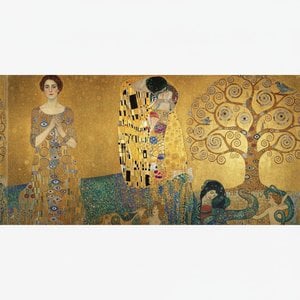
구스타프 클림트의 황홀한 명작 25선을 만나보세요. '키스'부터 '주디트'까지, 빈 분리주의를 대표하는 예술가의 삶과 작품 세계를 탐험합니다. 오스트리아 화가 클림트의 걸작으로 공간에 특별한 감성을 더하세요. WahooArt.com에서 고품질 유화 복제를 만나보세요.

Explore the captivating world of 19th-century Realism! Discover key artists like Courbet & Millet, masterpieces, and its lasting impact on art history. Expert insights at WahooArt.

현실을 충실히 담아낸 리얼리즘 명작 10선! 쿠르베, 밀레 등 거장의 작품으로 미술사의 흐름을 만나보세요. 와후아트에서 고품질 예술 작품과 인테리어 영감을 얻고, 당신의 공간에 예술적 감성을 더하세요. 지금 바로 와후아트에서 모든 명작을 발견해보세요!

Explore the revolutionary art of Gustave Courbet, pioneer of Realism. Discover his iconic paintings, social commentary, and lasting impact on 19th-century French art history. Expert analysis & insights.

Explore 10 defining masterpieces of Romantic Realism! Discover Courbet, Millet & Daumier's powerful paintings—capturing emotion and social realities. Find museum-quality reproductions for your home at WahooArt.com.


 미리보기
미리보기
 공유하기
공유하기 공유하기
공유하기
 상세 정보
상세 정보

 다운로드
다운로드
 유사 작품
유사 작품 X-레이
X-레이 슬라이드 쇼
 통계 정보
통계 정보
 더 보기
더 보기









 유리 옵션은 110cm 미만 크기에서만 선택 가능합니다.


