
빠른 제작과 다양한 마감 옵션을 제공하는 박물관 품질의 지클레이 또는 캔버스 프린트. ( 손으로 그린 그림 구매 디지털 이미지로 전환)





























작품의 원본 비율을 유지하는 미리 설정된 크기 중에서 선택하세요.

특정 프레임이나 공간에 맞춰 직접 치수를 입력하실 수 있습니다. 선택하신 사이즈가 원본 이미지의 비율과 일치하지 않을 경우, 작품을 크롭(자르기)하거나 이미지를 대칭 또는 단색 채우기로 확장하여 제작합니다. 제작 시작 전, 최종 확인을 위해 디지털 목업이 전송됩니다.
화면상의 미리보기는 실제 크롭이나 확장 상태를 반영하지 않으므로, 최종 구도는 오직 목업을 통해서만 정확하게 확인하실 수 있습니다.
맞춤 사이즈 제작도 가능하지만, 원본 비율을 유지하기 위해서는 사전 정의된 목록에서 치수를 선택하시는 것을 권장합니다.

the quarry
복제본 크기
Gustave Courbet wasn't merely an artist; he was a provocateur, a visionary who fundamentally challenged the conventions of his era and irrevocably altered the trajectory of French painting. Born in Ornans, France, in 1819, Jean Désiré Gustave Courbet’s life mirrored his artistic ambition – a relentless pursuit of authenticity against a tide of romantic sentimentality.
His early training at the École des Beaux-Arts in Paris exposed him to the prevailing academic style, yet Courbet swiftly rejected its idealized representations. Influenced by Eugène Delacroix and Théodore Géricault, he nonetheless insisted on portraying reality as he experienced it – unvarnished, gritty, and imbued with social significance.
Courbet’s breakthrough came with “The Quarry,” completed in 1857. This monumental canvas depicts a solitary man accompanied by two dogs before a weathered tree, capturing the essence of rural labor and confronting viewers with an uncompromising gaze. The painting exemplifies Courbet's signature style – Realism—characterized by meticulous observation and rejection of artistic embellishment.
Technically masterful, “The Quarry” utilizes oil paints applied in thick impasto strokes, creating a palpable textural surface that conveys the physicality of the scene. Courbet’s deliberate choice of monochrome enhances the dramatic impact, emphasizing form and light while stripping away distracting color palettes. The stark contrast between dark shadows and luminous highlights draws attention to the man's posture and gaze, conveying both strength and vulnerability.
Beyond its aesthetic qualities, “The Quarry” carries profound symbolic weight. The tree represents resilience and endurance amidst hardship—a visual metaphor for the human spirit’s capacity to persevere despite adversity. The dogs symbolize loyalty and companionship, mirroring the bonds between man and animal. Furthermore, the painting speaks to the broader social context of mid-Victorian France, reflecting the growing interest in depicting everyday life and confronting viewers with uncomfortable truths about labor conditions.
“The Quarry”’s emotional impact is undeniable—a haunting portrayal of solitude and contemplation that invites introspection. Courbet compels us to confront our own perceptions of beauty and truth, urging us to appreciate the dignity inherent in honest representation. It remains a cornerstone of Realist art, demonstrating Courbet's unwavering dedication to capturing the complexities of human experience.
Today, reproductions of “The Quarry” grace homes and galleries worldwide, serving as enduring reminders of Courbet’s revolutionary vision. Its influence extends far beyond its immediate stylistic context, inspiring artists across generations to embrace observation and challenge artistic conventions—a legacy that continues to resonate powerfully in the contemporary art landscape.


1819 - 1877 , 프랑스

Explore the revolutionary art of Gustave Courbet, pioneer of Realism. Discover his iconic paintings, social commentary, and lasting impact on 19th-century French art history. Expert analysis & insights.

존 컨스터블 대표작 25선을 만나보세요. 영국 풍경화 거장의 자연주의 회화, 데담 밸리의 아름다움과 헤이 웨인의 정취를 담은 명화를 감상하세요. WahooArt에서 고품질 예술 작품 복제본을 소장하고 특별한 인테리어를 완성해보세요. 지금 바로 컬렉션을 탐험하세요!

현실을 충실히 담아낸 리얼리즘 명작 10선! 쿠르베, 밀레 등 거장의 작품으로 미술사의 흐름을 만나보세요. 와후아트에서 고품질 예술 작품과 인테리어 영감을 얻고, 당신의 공간에 예술적 감성을 더하세요. 지금 바로 와후아트에서 모든 명작을 발견해보세요!

Explore 10 defining masterpieces of Romantic Realism! Discover Courbet, Millet & Daumier's powerful paintings—capturing emotion and social realities. Find museum-quality reproductions for your home at WahooArt.com.
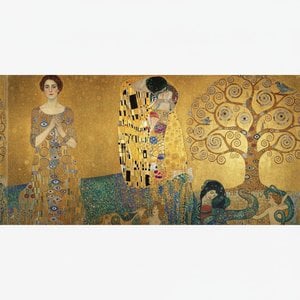
구스타프 클림트의 황홀한 명작 25선을 만나보세요. '키스'부터 '주디트'까지, 빈 분리주의를 대표하는 예술가의 삶과 작품 세계를 탐험합니다. 오스트리아 화가 클림트의 걸작으로 공간에 특별한 감성을 더하세요. WahooArt.com에서 고품질 유화 복제를 만나보세요.


 미리보기
미리보기
 공유하기
공유하기 공유하기
공유하기
 상세 정보
상세 정보

 다운로드
다운로드
 유사 작품
유사 작품 X-레이
X-레이 슬라이드 쇼
 통계 정보
통계 정보

 더 보기
더 보기









 유리 옵션은 110cm 미만 크기에서만 선택 가능합니다.


