
원하는 크기와 액자로 주문 제작되는, 작가들이 직접 캔버스에 손으로 그린 유화 작품입니다. ( 프린트 판매로 전환 디지털 이미지로 전환)





























작품의 원본 비율을 유지하는 미리 설정된 크기 중에서 선택하세요.

특정 프레임이나 공간에 맞도록 직접 크기를 입력할 수 있습니다. 선택하신 크기가 원본 이미지의 비율과 일치하지 않는 경우, 작품을 자르거나 추가적인 손으로 그린 요소를 사용하여 그림을 확장합니다. 제작 시작 전 승인을 위해 디지털 목업을 보내드립니다.
화면 미리 보기는 실제 자르기 또는 확장을 반영하지 않습니다. 최종 구성은 목업을 통해서만 정확하게 확인하실 수 있습니다.
맞춤 크기 제작도 가능하지만, 원본 비율을 유지하기 위해 사전 정의된 목록에서 크기를 선택하시는 것을 권장합니다.

Chateau de Chillon
복제본 크기
Gustave Courbet’s “Château de Chillon,” completed in 1870, stands as a cornerstone of Realism—a movement that irrevocably challenged the prevailing artistic sensibilities of its era. Unlike the idealized landscapes championed by Romantic painters like Delacroix, Courbet sought to depict reality without embellishment, presenting it with unflinching honesty and meticulous detail. This wasn’t merely about capturing a picturesque castle; it was about asserting a radical philosophical stance: that art should reflect the world as it truly is.
Courbet's distinctive style hinged on Impasto—a technique where paint is applied thickly onto the canvas, creating textured surfaces that capture light and shadow with remarkable accuracy. He achieved this effect through a combination of palette knives and brushes, painstakingly building up layers of pigment to simulate the roughness of stone and the weathered appearance of time. This deliberate disregard for traditional glazing methods underscored his commitment to portraying materiality—the tangible essence of the subject matter.
The 1860s witnessed a burgeoning interest in scientific observation and social realism, fueled by advancements in photography. Courbet responded to this intellectual climate by rejecting academic conventions that prioritized illusionistic representation over factual accuracy. He famously declared, “I paint what I see,” encapsulating the core ethos of Realism—a reaction against Romantic sentimentality and an embrace of empirical observation.
Beyond its immediate depiction of Château de Chillon—the medieval fortress perched precariously on Lake Léman—the painting carries symbolic weight. The castle itself represents resilience, permanence, and the enduring legacy of history. Its crumbling walls speak to the passage of time and the inevitable decay of even the most imposing structures. Simultaneously, the expansive lake embodies tranquility and reflection, inviting contemplation about the relationship between humanity and nature.
“Château de Chillon” transcends mere visual representation; it evokes a profound emotional response in the viewer. The muted palette—dominated by earthy tones—creates an atmosphere of subdued grandeur, fostering a feeling of quiet contemplation and melancholic beauty. Courbet’s masterful use of light and shadow enhances this effect, illuminating the castle's textures and casting long shadows across the lake—a visual reminder of the fleeting nature of existence.


1819 - 1877 , 프랑스

폴 세잔의 시대를 초월하는 명작 25점을 만나보세요. 인상주의를 넘어 후기 인상주의를 개척한 화가의 예술 세계와 정물화, 풍경화 속 숨겨진 이야기를 WahooArt에서 감상하세요. 고품질 아트 프린트와 캔버스 액자로 공간에 예술을 더해보세요! 지금 바로 컬렉션을 탐험하세요.

Explore the captivating landscapes of Gustave Loiseau, a key Post-Impressionist painter. Discover his unique 'en treillis' technique and artistic legacy with our comprehensive guide.

Explore the rich history of landscape art with WahooArt. Discover renowned artists, movements like Impressionism & Romanticism, and expert guidance for collecting timeless pieces. Find your perfect serene escape today!

Journey into the heart of Impressionism! Explore 10 masterpieces by Monet, Renoir & Degas that revolutionized landscape art. Discover their stories, techniques & find museum-quality reproductions to elevate your home decor on WahooArt.com.
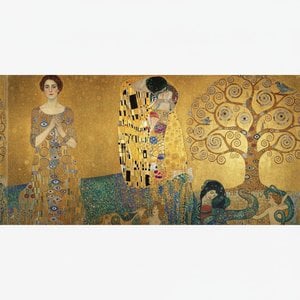
구스타프 클림트의 황홀한 명작 25선을 만나보세요. '키스'부터 '주디트'까지, 빈 분리주의를 대표하는 예술가의 삶과 작품 세계를 탐험합니다. 오스트리아 화가 클림트의 걸작으로 공간에 특별한 감성을 더하세요. WahooArt.com에서 고품질 유화 복제를 만나보세요.


 미리보기
미리보기
 공유하기
공유하기 공유하기
공유하기
 상세 정보
상세 정보

 다운로드
다운로드
 유사 작품
유사 작품 X-레이
X-레이 슬라이드 쇼
 통계 정보
통계 정보

 더 보기
더 보기









 유리 옵션은 110cm 미만 크기에서만 선택 가능합니다.


