
원하는 크기와 액자로 주문 제작되는, 작가들이 직접 캔버스에 손으로 그린 유화 작품입니다. ( 프린트 판매로 전환 디지털 이미지로 전환)





























작품의 원본 비율을 유지하는 미리 설정된 크기 중에서 선택하세요.

특정 프레임이나 공간에 맞도록 직접 크기를 입력할 수 있습니다. 선택하신 크기가 원본 이미지의 비율과 일치하지 않는 경우, 작품을 자르거나 추가적인 손으로 그린 요소를 사용하여 그림을 확장합니다. 제작 시작 전 승인을 위해 디지털 목업을 보내드립니다.
화면 미리 보기는 실제 자르기 또는 확장을 반영하지 않습니다. 최종 구성은 목업을 통해서만 정확하게 확인하실 수 있습니다.
맞춤 크기 제작도 가능하지만, 원본 비율을 유지하기 위해 사전 정의된 목록에서 크기를 선택하시는 것을 권장합니다.

Man at His Bath
복제본 크기
Gustave Caillebotte's "Man at His Bath," painted in 1884, is far more than a simple depiction of a man preparing for the evening. It’s a quietly revolutionary work that challenged the conventions of Parisian art and offered a strikingly intimate glimpse into the private world of a bourgeois gentleman. Initially met with controversy, this seemingly straightforward scene—a nude male figure in a bathroom—became a pivotal piece in Caillebotte's oeuvre and a significant marker of the burgeoning realism within Impressionism. The painting’s power lies not just in its subject matter but also in Caillebotte’s masterful use of light, perspective, and composition to create an atmosphere of both vulnerability and quiet dignity.
Caillebotte's background as a lawyer and his early fascination with photography profoundly shaped his artistic approach. He meticulously observed the world around him, employing photographic techniques—particularly in terms of framing and capturing fleeting moments—to achieve a remarkable sense of realism. Unlike many of his contemporaries who idealized their subjects, Caillebotte presented an ordinary man, stripped bare not just physically but also emotionally. The lack of overt drama or heroic grandeur is deliberate; he sought to capture the everyday, the mundane, transforming it into something quietly compelling.
The painting’s composition is deceptively simple yet remarkably effective. Caillebotte places the figure in a slightly off-center position, drawing the viewer's eye across the scene. The bathtub, positioned against the corner of the room, acts as a visual anchor, while the two chairs provide a sense of scale and domesticity. Noticeably, the man is turned away from the viewer, creating an immediate feeling of intimacy and privacy. This strategic choice invites us to become voyeurs, observing a private moment without intrusion.
Caillebotte’s technique is characterized by its precise observation and careful rendering of textures. The wet towel draped over his shoulder, the smooth surface of the bathtub, and the rough texture of the wooden floor are all depicted with remarkable detail. He employs loose brushstrokes—a hallmark of Impressionism—to capture the play of light on these surfaces, creating a sense of immediacy and movement. The subtle gradations of color and tone contribute to the painting’s overall atmosphere of quiet contemplation.
“Man at His Bath” was painted during a period of significant social and artistic change in Paris. The Second Empire had just ended, and the Third Republic was establishing itself. There was a growing interest in depicting everyday life—particularly the lives of ordinary people—and challenging traditional notions of beauty and heroism. This painting reflects this shift, presenting a man not as an idealized figure but as a human being with his own vulnerabilities and desires.
The act of bathing itself held symbolic weight at the time. It represented purification, renewal, and a retreat from the pressures of daily life. However, depicting a nude male in a domestic setting was considered unconventional and even scandalous by some critics. The painting’s initial reception reflected this unease, with many questioning its appropriateness for public display. Despite this controversy, “Man at His Bath” ultimately became recognized as a significant work of art, demonstrating Caillebotte's ability to capture the complexities of human experience.
More than a century after its creation, "Man at His Bath" continues to resonate with viewers. Its quiet intimacy and understated beauty invite us to contemplate themes of masculinity, vulnerability, and the private moments that shape our lives. It’s a powerful reminder that art can be found not just in grand gestures or dramatic scenes but also in the simple, everyday realities of human existence. WahooArt offers meticulously hand-painted reproductions of this iconic work, allowing you to bring its timeless elegance into your home and experience the artistry of Gustave Caillebotte firsthand.


1848 - 1894 , 프랑스

아르누보 미술의 정수를 담은 10대 걸작을 만나보세요! 무하, 클림트 등 거장의 작품부터 유기적 곡선과 자연주의 색감이 돋보이는 예술 세계를 탐험하고, WahooArt.com에서 고품질 아트 프린트를 찾아 당신의 공간에 예술적인 영감을 더하세요.

현실을 충실히 담아낸 리얼리즘 명작 10선! 쿠르베, 밀레 등 거장의 작품으로 미술사의 흐름을 만나보세요. 와후아트에서 고품질 예술 작품과 인테리어 영감을 얻고, 당신의 공간에 예술적 감성을 더하세요. 지금 바로 와후아트에서 모든 명작을 발견해보세요!

Explore the life & art of Gustave Caillebotte, a pivotal figure bridging Realism & Impressionism. Discover his iconic Parisian scenes and lasting legacy with WahooArt.

Explore the captivating landscapes of Gustave Loiseau, a key Post-Impressionist painter. Discover his unique 'en treillis' technique and artistic legacy with our comprehensive guide.
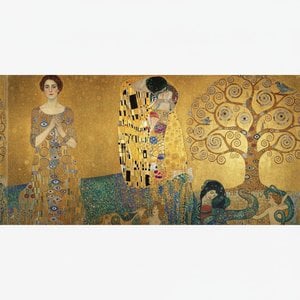
구스타프 클림트의 황홀한 명작 25선을 만나보세요. '키스'부터 '주디트'까지, 빈 분리주의를 대표하는 예술가의 삶과 작품 세계를 탐험합니다. 오스트리아 화가 클림트의 걸작으로 공간에 특별한 감성을 더하세요. WahooArt.com에서 고품질 유화 복제를 만나보세요.


 미리보기
미리보기
 공유하기
공유하기 공유하기
공유하기
 상세 정보
상세 정보

 다운로드
다운로드
 유사 작품
유사 작품 X-레이
X-레이 슬라이드 쇼
 통계 정보
통계 정보


 더 보기
더 보기









 유리 옵션은 110cm 미만 크기에서만 선택 가능합니다.


