
 Acrylic On CanvasWallArtImpressionist Painting
 1882
1882 76.0 x 100.0 cm
 보스턴 미술관
원하는 크기와 액자로 주문 제작되는, 작가들이 직접 캔버스에 손으로 그린 유화 작품입니다. ( 프린트 판매로 전환 디지털 이미지로 전환)





























작품의 원본 비율을 유지하는 미리 설정된 크기 중에서 선택하세요.

특정 프레임이나 공간에 맞도록 직접 크기를 입력할 수 있습니다. 선택하신 크기가 원본 이미지의 비율과 일치하지 않는 경우, 작품을 자르거나 추가적인 손으로 그린 요소를 사용하여 그림을 확장합니다. 제작 시작 전 승인을 위해 디지털 목업을 보내드립니다.
화면 미리 보기는 실제 자르기 또는 확장을 반영하지 않습니다. 최종 구성은 목업을 통해서만 정확하게 확인하실 수 있습니다.
맞춤 크기 제작도 가능하지만, 원본 비율을 유지하기 위해 사전 정의된 목록에서 크기를 선택하시는 것을 권장합니다.

Fruit Displayed on a Stand
복제본 크기
Gustave Caillebotte's "Fruit Displayed on a Stand," painted in 1882, isn’t merely a still life; it’s a meticulously observed fragment of late 19th-century Paris. Far removed from the grand historical narratives favored by many of his contemporaries, Caillebotte chose to capture an ordinary moment – the arrangement of fruit on market stalls – transforming it into a compelling study of light, form, and urban life. This seemingly simple composition reveals a keen awareness of the burgeoning modern world, reflecting the rapid transformations occurring within the city’s bustling streets and evolving social landscape.
The painting immediately draws the eye to Caillebotte's masterful manipulation of light. He employs a broken, almost fragmented approach, utilizing short, distinct brushstrokes to capture the interplay of sunlight on the various fruits. This technique, characteristic of Impressionism, avoids smooth blending and instead creates a vibrant mosaic of color and texture. The light isn’t uniform; it pools and dances across the surfaces of the apples, oranges, grapes, and bananas, lending each element an individual luminosity. Notice how he uses reflected light – the way the fruit subtly illuminates the surrounding space – to create a sense of depth and realism that belies the painting's relatively small scale.
Caillebotte’s artistic vision was profoundly shaped by his early fascination with photography. He saw in the medium’s ability to capture fleeting moments and precise details a new approach to representation. This influence is evident in "Fruit Displayed on a Stand" through its careful composition, sharp focus, and realistic depiction of textures – from the smooth skin of an orange to the delicate fuzz of a grape. Unlike traditional still life painters who sought to idealize their subjects, Caillebotte embraced the imperfections and irregularities of the natural world, mirroring the photographic aesthetic he admired.
Furthermore, the painting’s arrangement echoes the compositional strategies found in photographs of the time. The fruits are presented with a sense of immediacy, as if captured mid-display. The slightly tilted stand adds to this feeling of spontaneity and realism, suggesting a candid observation rather than a staged presentation. This deliberate choice reflects Caillebotte's desire to move beyond the conventions of academic painting and embrace a more direct and truthful representation of reality.
While seemingly straightforward, "Fruit Displayed on a Stand" carries subtle symbolic weight. The abundance of fruit can be interpreted as a celebration of life and prosperity – a visual metaphor for the vitality of Paris during this period of rapid industrialization and economic growth. However, the fruits themselves are not presented in an idealized manner; they are slightly bruised, imperfect, and arranged on humble market stalls. This juxtaposition hints at the realities of urban life—the contrast between wealth and poverty, abundance and scarcity.
The painting also offers a glimpse into the everyday commerce of Parisian streets. The fruit stands were vital components of the city’s economy, providing sustenance to its diverse population. Caillebotte's depiction captures this essential aspect of urban life, transforming a commonplace scene into a work of art that invites contemplation and reflection. It is a testament to his ability to find beauty and significance in the ordinary.
“Fruit Displayed on a Stand” remains a captivating example of Impressionist painting, showcasing Caillebotte’s innovative approach to light, composition, and subject matter. Its enduring appeal lies not only in its technical brilliance but also in its ability to evoke a sense of place and time—a vivid snapshot of Parisian life at the cusp of modernity. Reproductions of this work offer a remarkable opportunity to experience the artist's unique vision and appreciate the beauty found within the seemingly mundane.


1848 - 1894 , 프랑스

Master the nuances of Impressionism vs. Post-Impressionism with our expert guide. Explore the revolutionary shift from Monet’s fleeting light to Van Gogh’s emotional depth. Discover how these iconic movements continue to inspire fine art collectors and modern interiors today.

Explore the profound beauty of fruit arrangement masterpieces. From Dutch Golden Age opulence to Baroque chiaroscuro, discover the art history, symbolism, and timeless elegance of classical still life paintings for the discerning collector.
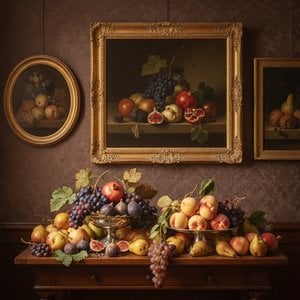
Discover the profound beauty of fruit still life paintings. Explore the rich symbolism, Baroque mastery, and timeless allure of nature's bounty through an art-historical lens, perfect for collectors and enthusiasts of classical fine art.

Embark on a sophisticated journey through art history with our exploration of still life masterpieces. Discover the profound symbolism behind classical paintings of drinks and fruit, curated for the true connoisseur seeking timeless elegance and academic depth.


 미리보기
미리보기
 공유하기
공유하기 공유하기
공유하기
 상세 정보
상세 정보 가이드 보기

 다운로드
다운로드
 유사 작품
유사 작품 X-레이
X-레이 슬라이드 쇼
 통계 정보
통계 정보 더 보기
더 보기









 유리 옵션은 110cm 미만 크기에서만 선택 가능합니다.


