
빠른 제작과 다양한 마감 옵션을 제공하는 박물관 품질의 지클레이 또는 캔버스 프린트. ( 손으로 그린 그림 구매 디지털 이미지로 전환)





























작품의 원본 비율을 유지하는 미리 설정된 크기 중에서 선택하세요.

특정 프레임이나 공간에 맞춰 직접 치수를 입력하실 수 있습니다. 선택하신 사이즈가 원본 이미지의 비율과 일치하지 않을 경우, 작품을 크롭(자르기)하거나 이미지를 대칭 또는 단색 채우기로 확장하여 제작합니다. 제작 시작 전, 최종 확인을 위해 디지털 목업이 전송됩니다.
화면상의 미리보기는 실제 크롭이나 확장 상태를 반영하지 않으므로, 최종 구도는 오직 목업을 통해서만 정확하게 확인하실 수 있습니다.
맞춤 사이즈 제작도 가능하지만, 원본 비율을 유지하기 위해서는 사전 정의된 목록에서 치수를 선택하시는 것을 권장합니다.

Two studies of a poodle
복제본 크기
Gustav Klimt's “Two Studies of a Poodle,” created in 1904, isn’t merely a sketch; it’s a distilled essence of Klimt’s artistic sensibilities at the cusp of his celebrated ‘Golden Phase.’ Examining this unassuming drawing reveals layers of fascination with form, texture, and the quiet contemplation characteristic of Symbolist art—a movement that sought to express inner emotions and spiritual truths through visual imagery.
The drawing’s expressive power resides primarily in its lines – thin, flowing strokes that delineate shapes with remarkable precision. These aren't bold declarations; they are hesitant explorations, conveying a sense of spontaneity and capturing the fleeting quality of observation. Klimt’s use of line isn’t merely descriptive; it embodies Symbolist ideals—suggesting emotion and inner thought through visual form.
Historical Context:Created during Klimt's formative years, “Two Studies” anticipates his groundbreaking exploration of decorative art and psychological symbolism. It reflects the broader artistic currents of the Viennese Secession, a movement that rejected academic conventions in favor of experimentation and personal vision.
The artwork’s muted tonal palette—primarily browns and greys—creates an atmosphere of contemplative stillness. Klimt skillfully manipulates charcoal to achieve subtle gradations of tone, enhancing the drawing's textural richness. The paper grain adds another layer of visual interest, grounding the image in a tangible reality while simultaneously inviting contemplation.
"Two Studies of a Poodle" transcends mere representation; it communicates an underlying feeling—perhaps one of quiet affection or serene observation. Klimt’s masterful draughtsmanship captures not just the appearance of the animals but also their essence, inviting viewers to engage in a dialogue with the artwork's emotional core. It stands as a testament to Klimt’s ability to distill complex ideas into deceptively simple forms—a skill that would define his enduring legacy.


1862 - 1918 , 오스트리아

Explore the profound beauty of the sketch. Discover how masters use charcoal and graphite to capture raw emotion, anatomical precision, and fluid movement, bridging the gap between ephemeral marks and eternal oil masterpieces.

Elevate your artistic practice with this expert guide to mastering the line. Discover advanced techniques in graphite, charcoal, and contour drawing designed for art students seeking technical precision and expressive depth in their fine art studies.
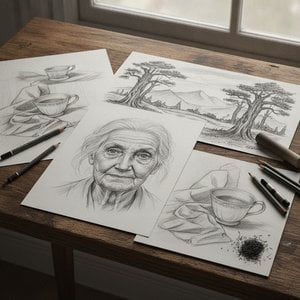
Explore the profound elegance of pencil and charcoal sketching. Discover how masters use line, shadow, and chiaroscuro to capture light and texture, bridging the gap between preparatory studies and timeless fine art masterpieces.

Explore the profound artistry of graphite drawing. Discover professional techniques for mastering depth, texture, and detail through a lens of art history, from classical sketches to modern masterpieces. Elevate your understanding of the pencil medium with our expert guide.

Discover the sophisticated mastery of graphite drawing. Explore expert techniques for achieving profound depth, intricate texture, and hyper-realistic detail through the alchemy of carbon, curated for the discerning art enthusiast and professional collector.


 미리보기
미리보기
 공유하기
공유하기 공유하기
공유하기
 상세 정보
상세 정보 가이드 보기

 다운로드
다운로드
 유사 작품
유사 작품 X-레이
X-레이 슬라이드 쇼
 통계 정보
통계 정보


 더 보기
더 보기









 유리 옵션은 110cm 미만 크기에서만 선택 가능합니다.


