

빠른 제작과 다양한 마감 옵션을 선택할 수 있는 박물관 수준의 지클레이 및 캔버스 프린트. ( 수작업 채색 복제본 주문하기 디지털 이미지 판매 채널로 전환)





























작품의 원본 비율을 그대로 유지하는 프리셋 사이즈 중에서 선택해 보세요.

액자나 벽면 크기에 맞춰 필요한 가로와 세로 길이를 입력해 주세요. 프린트는 원본 이미지보다 크게 제작할 수 없으며 오직 자르는 것만 가능하므로, 비율이 다른 사이즈를 선택할 경우 이미지의 일부가 잘려 나갈 수 있습니다. 인쇄 작업에 들어가기 전, 최종 확인을 위해 디지털 목업을 보내드립니다. 이 페이지에 표시된 이미지는 실제 잘리는 영역을 나타내지 않으며, 오직 목업을 통해서만 정확한 확인이 가능합니다.
The bride
복제본 규격
Gustav Klimt’s The Bride (circa 1902-1907) isn't merely a painting; it’s an immersive experience, a shimmering tableau vivant that encapsulates the spirit of Art Nouveau while simultaneously hinting at deeper psychological currents. This monumental work, housed in the Belvedere Museum in Vienna, immediately captivates with its opulent use of gold leaf – a signature technique of Klimt’s “golden phase” – and its exploration of female relationships within a carefully constructed symbolic landscape. The painting depicts a group of women in varying states of repose and interaction, arranged against a subtly textured outdoor backdrop that suggests both serenity and an underlying tension. It's a scene brimming with quiet intimacy, yet simultaneously imbued with a sense of mystery and unspoken narratives.
Klimt’s genius lies not just in his technical mastery – the meticulous application of gold, the fluid lines, and the evocative use of color – but also in his ability to imbue seemingly simple forms with profound meaning. The composition itself is deliberately complex, drawing the eye through a series of interconnected figures. The reclining woman, bathed in light, represents perhaps the central figure, while the others—standing, leaning, holding one another—suggest a network of support and shared experience. The use of ties, subtly woven into the women’s clothing, powerfully symbolizes their connection, their unity, and their mutual dependence – a visual representation of sisterhood and female solidarity.
The Bride stands as a quintessential example of Art Nouveau’s aesthetic principles. The movement, which flourished in the late 19th and early 20th centuries, rejected the rigid formality of academic art in favor of organic forms, flowing lines, and an embrace of nature's beauty. Klimt masterfully translates these ideals into his work, employing sinuous curves, intricate patterns, and a deliberate blurring of boundaries between figure and background. The painting’s surface is alive with ornamentation – delicate floral motifs, swirling designs, and the shimmering gold that dominates the composition—creating a rich tapestry of visual delight.
However, Art Nouveau in Klimt's hands transcends mere decorative excess. It becomes a vehicle for exploring themes of femininity, sexuality, and the complexities of human relationships. The figures are rendered with an undeniable sensuality, their bodies presented not as objects of idealized beauty but as vessels of emotion and experience. The painting’s atmosphere is one of quiet contemplation, inviting viewers to ponder the unspoken narratives that unfold within this intimate gathering.
Beyond its surface beauty, The Bride is rich in symbolic meaning. The outdoor setting, with its trees and dappled light, suggests a connection to nature—a realm of fertility, growth, and renewal. The women themselves are often interpreted as representing different aspects of the female psyche: strength, vulnerability, intuition, and compassion. The act of holding one another, particularly the gesture of one woman gently touching the face of another, speaks volumes about empathy, support, and the bonds that unite women.
The painting’s overall mood is ambiguous, leaving much open to interpretation. Some scholars suggest it reflects Klimt's own fascination with psychoanalysis and his exploration of the subconscious mind. Others see in it a commentary on the social constraints placed upon women during the early 20th century—a subtle rebellion against patriarchal norms through the depiction of female solidarity and mutual support. Regardless of its precise meaning, The Bride remains a powerful and enduring work of art that continues to resonate with viewers today.
For those captivated by the beauty and symbolism of Gustav Klimt’s The Bride, WahooArt.com offers meticulously crafted hand-painted oil reproduction reproductions that capture the essence of this iconic masterpiece. Our skilled artists replicate Klimt's signature techniques—the shimmering gold leaf, the fluid lines, and the evocative use of color—with unparalleled attention to detail. Each reproduction is created on high-quality linen canvas using traditional oil painting methods, ensuring a timeless piece of art for your home or office.
Whether you’re an art enthusiast, a collector, or simply seeking to add a touch of Art Nouveau elegance to your décor, a Klimt reproduction from WahooArt.com is the perfect way to experience the magic of this extraordinary painting. Explore our collection today and discover the beauty of Klimt's vision.


1862 - 1918 , 오스트리아
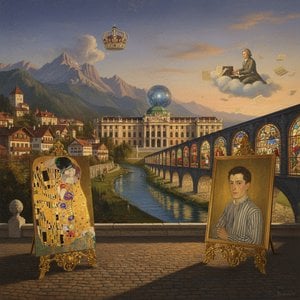
Embark on a sophisticated journey through Austrian art history. Explore the golden brilliance of Gustav Klimt and the elegance of the Vienna Secession through an expert lens, celebrating the enduring soul of Central European masterpieces.

Explore the divine mastery of Byzantine gold leaf and gilding. Discover how ancient artisans used gold ground and mosaics to create celestial light, a timeless legacy of spiritual splendor and technical excellence in sacred art history.

Embark on a sophisticated journey through the splendor of Austrian art. From Gustav Klimt’s golden masterpieces to the elegance of the Viennese Secession, discover the history and symbolism behind Europe's most iconic works for the discerning collector.

Embark on a visual journey through the world's most radiant masterpieces. Discover how gold leaf, impasto textures, and gilded tones define luxury in fine art, from Byzantine icons to modern abstracts. Explore the eternal allure of gold in curated, museum-quality art collections.

Explore the profound impact of the Vienna Secession movement. Discover how visionaries like Gustav Klimt revolutionized modern art through symbolism, gold leaf, and bold ornamentation in this deep dive into the aesthetic revolution that redefined the visual landscape of Europe.

 실제 크기로 보기
 보내기
보내기 공유하기
공유하기
 상세 보기
상세 보기 가이드 보기

 이미지 다운로드
 유사 작품 더 보기
 X-레이
X-레이 슬라이드 쇼 보기
 통계 정보
통계 정보

 상세 보기
상세 보기









 유리 옵션은 110cm 미만 크기에서만 선택 가능합니다.


