
 캔버스에 아크릴 물감월아트Symbolism
 1899
1899 82.0 x 52.0 cm
 알베르티나 박물관
원하는 크기와 액자로 주문 제작되는, 작가들이 직접 캔버스에 손으로 그린 유화 작품입니다. ( 프린트 판매로 전환 디지털 이미지로 전환)





























작품의 원본 비율을 유지하는 미리 설정된 크기 중에서 선택하세요.

특정 프레임이나 공간에 맞도록 직접 크기를 입력할 수 있습니다. 선택하신 크기가 원본 이미지의 비율과 일치하지 않는 경우, 작품을 자르거나 추가적인 손으로 그린 요소를 사용하여 그림을 확장합니다. 제작 시작 전 승인을 위해 디지털 목업을 보내드립니다.
화면 미리 보기는 실제 자르기 또는 확장을 반영하지 않습니다. 최종 구성은 목업을 통해서만 정확하게 확인하실 수 있습니다.
맞춤 크기 제작도 가능하지만, 원본 비율을 유지하기 위해 사전 정의된 목록에서 크기를 선택하시는 것을 권장합니다.

Silver Fish (Nymphs)
복제본 크기
Painted in 1899, during a pivotal period in Gustav Klimt's artistic development, Silver Fish (Nymphs) is a mesmerizing and unsettling work that embodies the fin-de-siècle fascination with symbolism, female mystique, and the subconscious. This evocative piece transports viewers to an ethereal realm where boundaries blur between reality and dream.
The artwork depicts two figures – a dominant, elongated female form embracing or overshadowing a smaller, darker male figure. The composition is deliberately flattened, lacking traditional perspective, which enhances the painting’s otherworldly quality. The larger figure, reminiscent of water nymphs or *undines* from folklore, appears to be both protective and constricting. Below her, the diminutive male seems almost absorbed into the swirling depths. A backdrop of abstract green tones punctuated by vertical lines – suggestive of bars or windows – creates a sense of enclosure and perhaps even imprisonment.
Silver Fish (Nymphs) is firmly rooted in the Symbolist movement, characterized by its emphasis on subjective experience, emotional resonance, and the use of symbolic imagery. However, it also anticipates Klimt’s later explorations into Expressionism. The painting showcases his signature technique: loose, visible brushwork with a prominent impasto texture that lends a tactile quality to the surface. Oil paints are applied in swirling patterns, particularly within the background, creating a dynamic and fluid atmosphere. The limited color palette – dominated by dark greens and browns – contributes to the overall somber and mysterious mood.
Vienna in the late 19th century was a hotbed of artistic and intellectual ferment. Klimt, along with other artists associated with the Vienna Secession, rebelled against the conservative academic traditions of the time. They sought to create a new art that reflected the anxieties and uncertainties of modern life. The Symbolist movement provided an outlet for exploring themes of sexuality, death, and the subconscious – subjects often taboo in mainstream society. This painting reflects this cultural shift, offering a glimpse into the psychological landscape of the era.
The symbolism within Silver Fish (Nymphs) is open to interpretation, adding to its enduring appeal. The figures can be seen as representing different aspects of the feminine psyche – the alluring yet potentially dangerous power of women. The “silver fish” title itself evokes a sense of fragility and elusiveness. The confining vertical lines in the background suggest societal constraints or psychological barriers. The relationship between the two figures is complex, hinting at themes of dominance, dependence, and perhaps even entrapment. Some scholars also point to parallels with contemporary psychoanalytic theories exploring the complexities of human relationships.
Silver Fish (Nymphs) is a deeply evocative work that elicits a range of emotions – from melancholy and mystery to unease and fascination. The painting’s dreamlike quality invites viewers to project their own interpretations onto the scene, creating a personal connection with the artwork. Its atmospheric mood and sensuous brushwork make it a compelling addition to any collection. The piece's subdued color palette and intriguing composition also lend themselves well to various interior design schemes, adding a touch of sophistication and intrigue to living spaces.


1862 - 1918 , 오스트리아
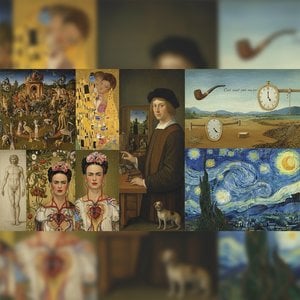
Delve into the enchanting world of Symbolism with 10 iconic paintings by Klimt, Munch & Moreau. Explore hidden meanings, dreamlike imagery & rich color palettes. Find museum-quality art reproductions at WahooArt.com and transform your home gallery. Discover all masterpieces on WahooArt.com

상징주의 미술의 정수를 담은 10대 걸작을 만나보세요! 모네, 드가 등 거장의 작품부터 보쉬, 쇠랑크까지, 와후아트에서 예술적 영감과 홈 데코 아이디어를 얻으세요. 지금 바로 온라인 컬렉션을 탐험해보세요.
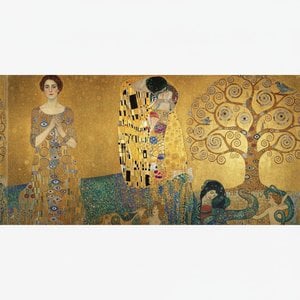
구스타프 클림트의 황홀한 명작 25선을 만나보세요. '키스'부터 '주디트'까지, 빈 분리주의를 대표하는 예술가의 삶과 작품 세계를 탐험합니다. 오스트리아 화가 클림트의 걸작으로 공간에 특별한 감성을 더하세요. WahooArt.com에서 고품질 유화 복제를 만나보세요.

Explore the captivating world of Gustav Klimt with WahooArt. Discover his iconic paintings, the Vienna Secession movement, & enduring legacy. High-quality reproductions available.

아르누보 미술의 정수를 담은 10대 걸작을 만나보세요! 무하, 클림트 등 거장의 작품부터 유기적 곡선과 자연주의 색감이 돋보이는 예술 세계를 탐험하고, WahooArt.com에서 고품질 아트 프린트를 찾아 당신의 공간에 예술적인 영감을 더하세요.


 미리보기
미리보기
 공유하기
공유하기 공유하기
공유하기
 상세 정보
상세 정보 Guide
Guide

 다운로드
다운로드
 유사 작품
유사 작품 X-레이
X-레이 슬라이드 쇼
 통계 정보
통계 정보 더 보기
더 보기









 유리 옵션은 110cm 미만 크기에서만 선택 가능합니다.


