
빠른 제작과 다양한 마감 옵션을 제공하는 박물관 품질의 지클레이 또는 캔버스 프린트. ( 손으로 그린 그림 구매 디지털 이미지로 전환)





























작품의 원본 비율을 유지하는 미리 설정된 크기 중에서 선택하세요.

특정 프레임이나 공간에 맞춰 직접 치수를 입력하실 수 있습니다. 선택하신 사이즈가 원본 이미지의 비율과 일치하지 않을 경우, 작품을 크롭(자르기)하거나 이미지를 대칭 또는 단색 채우기로 확장하여 제작합니다. 제작 시작 전, 최종 확인을 위해 디지털 목업이 전송됩니다.
화면상의 미리보기는 실제 크롭이나 확장 상태를 반영하지 않으므로, 최종 구도는 오직 목업을 통해서만 정확하게 확인하실 수 있습니다.
맞춤 사이즈 제작도 가능하지만, 원본 비율을 유지하기 위해서는 사전 정의된 목록에서 치수를 선택하시는 것을 권장합니다.

Schubert at the Piano
복제본 크기
Gustave Klimt's "Schubert at the Piano," painted in 1899, isn’t merely a portrait; it’s an immersive experience—a shimmering tableau capturing a fleeting moment of artistic intimacy within the heart of Vienna. This oil-on-canvas masterpiece transcends simple representation, embodying the spirit of the Art Nouveau movement and offering a profound glimpse into Klimt's unique ability to blend decorative artistry with deeply felt human emotion. The painting immediately draws the eye with its opulent use of gold leaf, a signature element that elevates the scene beyond the ordinary, transforming it into something almost dreamlike.
At first glance, the composition presents a seemingly simple scene: Franz Schubert, his head bowed in concentration as he plays the piano, surrounded by three elegantly dressed women. However, Klimt’s genius lies in the layering of visual elements and symbolic gestures. The upper half of the canvas explodes with an intricate, swirling pattern reminiscent of Art Nouveau—a stylized forest of golden forms that feels both organic and meticulously constructed. This decorative element isn't merely ornamentation; it represents the burgeoning artistic spirit of Vienna at the turn of the century, a period marked by innovation and a rejection of academic constraints. The lower half, conversely, is grounded in the tangible reality of Schubert’s performance, providing a counterpoint to the ethereal quality above.
Klimt's masterful brushwork contributes significantly to the painting’s evocative power. Loose, expressive strokes create a sense of movement and atmosphere, capturing the warmth of candlelight and the subtle nuances of musical expression. Notice how he renders Schubert’s hands—not with photographic realism but with a deliberate simplification that emphasizes their role as conduits for artistic creation. The women surrounding him are depicted with a similar blend of detail and abstraction; their faces are softened, almost dreamlike, while their clothing is richly textured and adorned with floral motifs – symbols of beauty, femininity, and perhaps even the fleeting nature of inspiration.
The inclusion of a clock in the background subtly introduces an element of time and reflection. It’s a reminder that this moment—this performance—is ephemeral, a precious fragment captured for posterity. Klimt's use of color is equally deliberate. The dominant gold leaf creates a sense of luxury and reverence, while contrasting blues and greens hint at the melancholic beauty often associated with Schubert’s music. The overall effect is one of harmonious tension – a balance between celebration and introspection.
"Schubert at the Piano" is inextricably linked to the Vienna Secession, an artistic movement that Klimt co-founded in 1897. This group sought to break free from the constraints of traditional art academies and embrace a more modern, expressive style. The Secession championed innovation, experimentation, and a rejection of conservative values – principles vividly reflected in Klimt’s work. Schubert himself was a pivotal figure in Viennese musical life, known for his deeply emotional and often poignant compositions. Klimt's portrayal captures not just the musician but also the spirit of a generation grappling with questions of identity, beauty, and artistic purpose.
Ultimately, "Schubert at the Piano" is a painting about connection—the shared experience of music, art, and human emotion. It’s a testament to Klimt's ability to distill complex feelings into a single, captivating image. The intimate setting, the focused gaze of Schubert, and the attentive presence of the women all contribute to a sense of quiet camaraderie. When you look at this painting, you don’t just see a portrait; you feel invited into a private moment—a glimpse into the soul of an artist and the beauty of a Viennese evening. A hand-painted reproduction allows you to bring this evocative masterpiece into your own space, fostering a connection with one of art history's most celebrated figures.

1862 - 1918 , 오스트리아

Embark on a visual journey through the world's most radiant masterpieces. Discover how gold leaf, impasto textures, and gilded tones define luxury in fine art, from Byzantine icons to modern abstracts. Explore the eternal allure of gold in curated, museum-quality art collections.
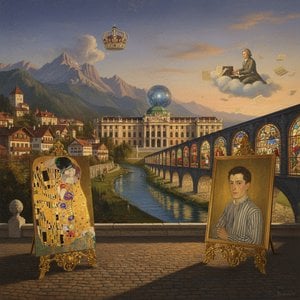
Embark on a sophisticated journey through Austrian art history. Explore the golden brilliance of Gustav Klimt and the elegance of the Vienna Secession through an expert lens, celebrating the enduring soul of Central European masterpieces.
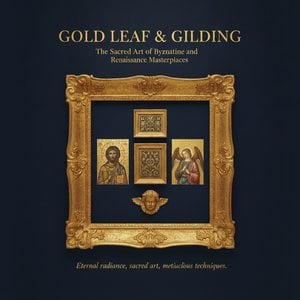
Explore the divine mastery of Byzantine gold leaf and gilding. Discover how ancient artisans used gold ground and mosaics to create celestial light, a timeless legacy of spiritual splendor and technical excellence in sacred art history.

Embark on a sophisticated journey through the splendor of Austrian art. From Gustav Klimt’s golden masterpieces to the elegance of the Viennese Secession, discover the history and symbolism behind Europe's most iconic works for the discerning collector.

Explore the profound impact of the Vienna Secession movement. Discover how visionaries like Gustav Klimt revolutionized modern art through symbolism, gold leaf, and bold ornamentation in this deep dive into the aesthetic revolution that redefined the visual landscape of Europe.


 미리보기
미리보기
 공유하기
공유하기 공유하기
공유하기
 상세 정보
상세 정보

 다운로드
다운로드
 유사 작품
유사 작품 X-레이
X-레이 슬라이드 쇼
 통계 정보
통계 정보

 더 보기
더 보기









 유리 옵션은 110cm 미만 크기에서만 선택 가능합니다.


