

작가가 직접 캔버스에 손으로 그린 유화 작품으로, 원하는 크기와 액자로 맞춤 제작해 드립니다. ( 프린트 판매로 전환 디지털 이미지 판매 채널로 전환)





























작품의 원본 비율을 그대로 유지하는 프리셋 사이즈 중에서 선택해 보세요.

액자나 벽면 크기에 맞춰 필요한 가로와 세로 길이를 입력해 주세요. 본 작품은 수작업으로 제작되므로, 요청하신 비율에 따라 작가가 그림의 가장자리를 조금 더 넓게 그리거나 일부를 조정하여 작업할 수 있습니다. 작업 시작 전, 최종 확인을 위해 디지털 목업 이미지를 보내드립니다. 이 페이지에 표시된 이미지는 실제 결과물과 다를 수 있으며, 오직 목업 이미지만이 정확한 결과물을 보여줍니다.
Medicine (composition draft)
복제본 규격
Gustav Klimt’s “Medicine,” created in 1897, stands as a cornerstone of his Symbolist oeuvre and embodies the opulent aesthetic sensibilities characteristic of Art Nouveau. This enigmatic sketch—designated ‘Jusisprudenz’—offers a glimpse into Klimt's creative process and foreshadows the grandeur of his later masterpieces like *The Kiss*. It’s more than just an image; it’s a carefully constructed meditation on themes of life, death, and regeneration.
The artwork depicts a woman draped in crimson robes—a striking visual choice that immediately draws attention. Her posture exudes serenity and grace, yet she is crowned with a floral wreath, symbolizing fertility and divine protection. Surrounding her are figures representing angels and skeletons – a deliberate juxtaposition highlighting the duality of existence. Klimt’s masterful use of gold leaf lends an ethereal glow to the composition, elevating it beyond mere representation into a realm of symbolic significance.
Klimt's technique is instantly recognizable: he employs intricate patterns interwoven with textured surfaces achieved through cloisonné enamel—a method pioneered by Tiffany Studios in America. This painstaking process involved applying thin layers of metal foil onto a glass substrate, creating cells that were then filled with enamel pigment. The resulting surface possesses remarkable depth and luminosity, mirroring the spiritual richness conveyed by the artwork.
The inclusion of horses – one positioned prominently on the upper right corner and another centrally located—adds to the painting’s narrative complexity. Horses have historically symbolized strength, nobility, and divine power within European iconography. Their presence reinforces Klimt's exploration of mythological themes and contributes to the overall sense of grandeur.
"Medicine" emerged during a period of profound artistic upheaval in Vienna—the era of the Vienna Secession. Founded in 1897 by Klimt, Josef Maria Olbrich, and Emil Körner, the Secession rejected the conservative academic traditions dominating Viennese art circles. They championed individualism, experimentation, and a rejection of historical imitation.
This rebellious spirit is palpable in “Medicine,” which aligns perfectly with the Secession’s ethos. Klimt sought to express profound psychological truths through symbolic imagery—a departure from the idealized depictions favored by earlier generations of artists. The painting reflects the broader cultural anxieties surrounding mortality and rebirth prevalent at the time, cementing its place as a seminal work of Symbolist art.
"Medicine" captivates viewers with its harmonious blend of beauty and melancholy. The shimmering gold leaf creates an atmosphere of otherworldly splendor, while the juxtaposition of angelic figures and skeletons evokes contemplation on the cyclical nature of life and death. Klimt’s masterful composition invites introspection—encouraging us to consider our own place within the grand tapestry of existence.
A high-quality reproduction allows you to experience this artistic legacy firsthand. Meisterdrucke offers exceptional prints crafted with archival materials, ensuring that the brilliance of Klimt's vision endures for generations to come.
"Medicine (composition draft)"의 명암 대비는 Serene로 기록되었습니다. 대비는 밝은 부분과 어두운 부분의 차이가 얼마나 강한지를 나타냅니다.
클림트의 "Medicine (composition draft)"은(는) floral composition, female figure, symbolism, ornamental art, mythological elements, religious imagery, gold leaf detail와(과) Elegant 분위기가 어우러진 작품입니다.
"Medicine (composition draft)"의 작가인 클림트의 다른 이름으로는 구스타프 클림트, 구스다프 클리머 등이 있습니다.


1862 - 1918 , 오스트리아
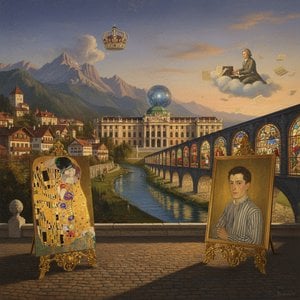
Embark on a sophisticated journey through Austrian art history. Explore the golden brilliance of Gustav Klimt and the elegance of the Vienna Secession through an expert lens, celebrating the enduring soul of Central European masterpieces.

Embark on a sophisticated journey through the splendor of Austrian art. From Gustav Klimt’s golden masterpieces to the elegance of the Viennese Secession, discover the history and symbolism behind Europe's most iconic works for the discerning collector.

Embark on a visual journey through the world's most radiant masterpieces. Discover how gold leaf, impasto textures, and gilded tones define luxury in fine art, from Byzantine icons to modern abstracts. Explore the eternal allure of gold in curated, museum-quality art collections.
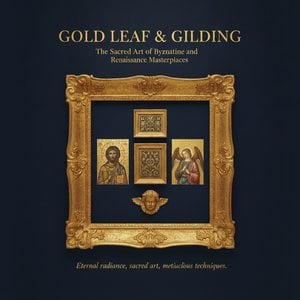
Explore the divine mastery of Byzantine gold leaf and gilding. Discover how ancient artisans used gold ground and mosaics to create celestial light, a timeless legacy of spiritual splendor and technical excellence in sacred art history.

Explore the profound impact of the Vienna Secession movement. Discover how visionaries like Gustav Klimt revolutionized modern art through symbolism, gold leaf, and bold ornamentation in this deep dive into the aesthetic revolution that redefined the visual landscape of Europe.

 실제 크기로 보기
 보내기
보내기 공유하기
공유하기
 상세 보기
상세 보기 가이드 보기

 이미지 다운로드
 유사 작품 더 보기
 X-레이
X-레이 슬라이드 쇼 보기
 통계 정보
통계 정보
 상세 보기
상세 보기









 유리 옵션은 110cm 미만 크기에서만 선택 가능합니다.


