
원하는 크기와 액자로 주문 제작되는, 작가들이 직접 캔버스에 손으로 그린 유화 작품입니다. ( 프린트 판매로 전환 디지털 이미지로 전환)





























작품의 원본 비율을 유지하는 미리 설정된 크기 중에서 선택하세요.

특정 프레임이나 공간에 맞도록 직접 크기를 입력할 수 있습니다. 선택하신 크기가 원본 이미지의 비율과 일치하지 않는 경우, 작품을 자르거나 추가적인 손으로 그린 요소를 사용하여 그림을 확장합니다. 제작 시작 전 승인을 위해 디지털 목업을 보내드립니다.
화면 미리 보기는 실제 자르기 또는 확장을 반영하지 않습니다. 최종 구성은 목업을 통해서만 정확하게 확인하실 수 있습니다.
맞춤 크기 제작도 가능하지만, 원본 비율을 유지하기 위해 사전 정의된 목록에서 크기를 선택하시는 것을 권장합니다.

Kühe im Stall
복제본 크기
Gustav Klimt, a titan of Austrian Symbolism, is perhaps best known for his dazzling portraits and opulent use of gold leaf. However, ‘Kühe im Stall’ (Cows in the Barn) reveals a fascinating departure in his artistic journey – a move towards more grounded, pastoral subjects while retaining his signature expressive style. Painted later in his career, this oil painting offers a glimpse into Klimt's evolving interests and demonstrates his mastery beyond the realm of eroticism and portraiture.
‘Kühe im Stall’ depicts a tranquil barn interior populated by several cows, clustered together in a pen. The scene is bathed in subdued light, likely emanating from an unseen window, creating a sense of intimacy and enclosure. Klimt doesn't present a meticulously detailed representation; instead, he focuses on capturing the *essence* of rural life – the warmth of the animals, the texture of their coats, and the quiet stillness of the barn. The composition is dominated by horizontal lines—the wooden structure of the pen, the ground, and the bodies of the cows themselves—which contribute to a feeling of stability and peaceful containment.
While Klimt famously employed decorative patterns and gold leaf in many of his works, ‘Kühe im Stall’ showcases a more restrained palette and a looser brushstroke. The painting is executed in oil, allowing for rich color blending and textural depth. Klimt's characteristic style shines through in the expressive handling of paint; it isn’t about photographic accuracy but rather an emotional response to the scene. The visible brushwork imbues the canvas with a sense of movement and life, suggesting the gentle shifting of the animals within their enclosure.
Born in 1862, Gustav Klimt was a pivotal figure in the Vienna Secession movement, which rebelled against the conservative artistic establishment. Initially focused on historical and mythological subjects, his work gradually embraced more personal and symbolic themes, often exploring female sensuality. ‘Kühe im Stall’ represents a shift towards simpler, more naturalistic motifs. This change may reflect Klimt's desire to explore different facets of life or perhaps a response to the changing artistic landscape of the early 20th century.
The symbolism within ‘Kühe im Stall’ is subtle yet resonant. Cows, traditionally symbols of nourishment, abundance, and maternal care, evoke themes of rural life, labor, and connection to the land. The barn itself represents shelter, security, and a retreat from the outside world. The painting's muted colors and soft lighting contribute to a mood of quiet contemplation and peaceful serenity. It’s an artwork that invites viewers to slow down and appreciate the simple beauty of everyday life.
‘Kühe im Stall’ is more than just a depiction of cows in a barn; it's a testament to Klimt’s artistic genius and his ability to find beauty and meaning in the ordinary. It stands as a captivating example of his later work, offering a unique perspective on one of art history’s most celebrated masters.


1862 - 1918 , 오스트리아
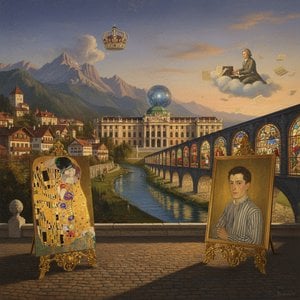
Embark on a sophisticated journey through Austrian art history. Explore the golden brilliance of Gustav Klimt and the elegance of the Vienna Secession through an expert lens, celebrating the enduring soul of Central European masterpieces.

Discover the profound allure of oil on canvas. Explore the mastery of impasto textures, the science of pigment longevity, and expert guides to selecting museum-quality reproductions that elevate your collection with timeless elegance and tactile depth.

Explore the profound impact of the Vienna Secession movement. Discover how visionaries like Gustav Klimt revolutionized modern art through symbolism, gold leaf, and bold ornamentation in this deep dive into the aesthetic revolution that redefined the visual landscape of Europe.


 미리보기
미리보기
 공유하기
공유하기 공유하기
공유하기
 상세 정보
상세 정보

 다운로드
다운로드
 유사 작품
유사 작품 X-레이
X-레이 슬라이드 쇼
 통계 정보
통계 정보
 더 보기
더 보기









 유리 옵션은 110cm 미만 크기에서만 선택 가능합니다.


