

 Acrylic On CanvasWallArtArt Nouveau
 1901Modern
 84.0 x 42.0 cm
작가가 직접 캔버스에 손으로 그린 유화 작품으로, 원하는 크기와 액자로 맞춤 제작해 드립니다. ( 프린트 판매로 전환 디지털 이미지 판매 채널로 전환)





























작품의 원본 비율을 그대로 유지하는 프리셋 사이즈 중에서 선택해 보세요.

액자나 벽면 크기에 맞춰 필요한 가로와 세로 길이를 입력해 주세요. 본 작품은 수작업으로 제작되므로, 요청하신 비율에 따라 작가가 그림의 가장자리를 조금 더 넓게 그리거나 일부를 조정하여 작업할 수 있습니다. 작업 시작 전, 최종 확인을 위해 디지털 목업 이미지를 보내드립니다. 이 페이지에 표시된 이미지는 실제 결과물과 다를 수 있으며, 오직 목업 이미지만이 정확한 결과물을 보여줍니다.
Judith
복제본 규격
Gustav Klimt's "Judith," painted in 1901, is more than just a portrait; it’s an arresting tableau of female strength, sensual allure, and the lingering shadows of ancient legend. Measuring a modest 84 x 42 cm, this work immediately commands attention with its lavish use of gold leaf—a signature element of Klimt's “Golden Phase”—and its exquisitely rendered details. The painting depicts Judith, the biblical heroine who famously beheaded Holofernes, not as a triumphant warrior, but as a woman caught in a moment of profound contemplation and unsettling beauty. Klimt’s Vienna was undergoing rapid social and artistic transformation—the rise of Art Nouveau, a rejection of academic traditions, and an exploration of sexuality and the subconscious were all shaping the cultural landscape, and “Judith” perfectly embodies these currents.
Klimt’s technical mastery is evident in every brushstroke. He employed a technique known as *verlastriche*—loose, expressive strokes—that contribute to the painting’s dreamlike quality. The gold leaf isn’t merely decorative; it's integral to the composition, creating an almost luminous effect that seems to emanate from within the canvas. Notice how Klimt utilizes contrasting textures: smooth, polished surfaces for Judith’s dress and face juxtaposed with the more textured fabric of her cloak. This interplay creates a dynamic visual experience, drawing the eye across the painting. The background is deliberately abstract, employing geometric patterns—a hallmark of the Viennese Secession movement—that further enhance the work's sense of mystery and timelessness.
“Judith” transcends a simple retelling of the biblical story. Klimt imbues the scene with potent symbolism. Judith’s expression is ambiguous; she isn’t celebrating her victory, but rather wrestling with its consequences. The severed head of Holofernes, rendered in stark detail and placed prominently before her, serves as a chilling reminder of violence and power. However, it's not presented as a gruesome spectacle. Instead, the head is almost idealized, softened by Klimt’s artistic vision. The gold itself carries significant weight – representing wealth, divinity, and perhaps even Judith’s own internal struggle with temptation and morality. The presence of the two figures in the background—a soldier and a servant—adds another layer to the narrative, suggesting the complexities of political intrigue and the human cost of conquest.
Klimt’s “Judith” is profoundly affecting. It's not a painting that offers easy answers or comforting resolutions. Instead, it invites viewers to contemplate themes of power, beauty, violence, and the psychological burdens of heroism. The woman’s gaze—direct yet veiled—creates an immediate connection with the viewer, prompting introspection about our own perceptions of strength and vulnerability. The work's enduring appeal lies in its ability to capture a complex emotional state – a blend of triumph, regret, and quiet contemplation. It remains a powerful testament to Klimt’s artistic genius and his profound understanding of the human condition. A reproduction captures this essence beautifully, offering a window into a world of opulent beauty and haunting symbolism.
Explore Gustav Klimt’s iconic ‘Judith’! A masterpiece of Art Nouveau, featuring gold leaf & female power. Admire its opulent beauty & timeless symbolism. Perfect for art lovers & collectors.


1862 - 1918 , 오스트리아
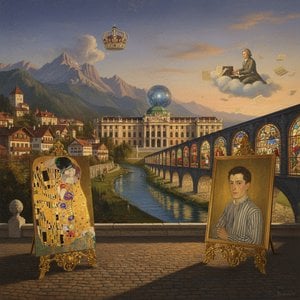
Embark on a sophisticated journey through Austrian art history. Explore the golden brilliance of Gustav Klimt and the elegance of the Vienna Secession through an expert lens, celebrating the enduring soul of Central European masterpieces.

Embark on a visual journey through the world's most radiant masterpieces. Discover how gold leaf, impasto textures, and gilded tones define luxury in fine art, from Byzantine icons to modern abstracts. Explore the eternal allure of gold in curated, museum-quality art collections.
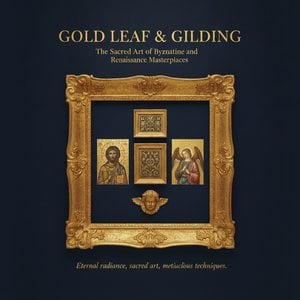
Explore the divine mastery of Byzantine gold leaf and gilding. Discover how ancient artisans used gold ground and mosaics to create celestial light, a timeless legacy of spiritual splendor and technical excellence in sacred art history.

Elevate your hospitality projects with our expert trend forecast on luxury murals. From biophilic botanical jungles to opulent gold leaf geometry, discover how bespoke large-scale wall art and custom frescoes can transform hotel interiors into unforgettable architectural statements.

Explore the profound impact of the Vienna Secession movement. Discover how visionaries like Gustav Klimt revolutionized modern art through symbolism, gold leaf, and bold ornamentation in this deep dive into the aesthetic revolution that redefined the visual landscape of Europe.

 실제 크기로 보기
 보내기
보내기 공유하기
공유하기
 상세 보기
상세 보기 가이드 보기

 이미지 다운로드
 유사 작품 더 보기
 X-레이
X-레이 슬라이드 쇼 보기
 통계 정보
통계 정보 상세 보기
상세 보기









 유리 옵션은 110cm 미만 크기에서만 선택 가능합니다.


