
빠른 제작과 다양한 마감 옵션을 제공하는 박물관 품질의 지클레이 또는 캔버스 프린트. ( 손으로 그린 그림 구매 디지털 이미지로 전환)





























작품의 원본 비율을 유지하는 미리 설정된 크기 중에서 선택하세요.

특정 프레임이나 공간에 맞춰 직접 치수를 입력하실 수 있습니다. 선택하신 사이즈가 원본 이미지의 비율과 일치하지 않을 경우, 작품을 크롭(자르기)하거나 이미지를 대칭 또는 단색 채우기로 확장하여 제작합니다. 제작 시작 전, 최종 확인을 위해 디지털 목업이 전송됩니다.
화면상의 미리보기는 실제 크롭이나 확장 상태를 반영하지 않으므로, 최종 구도는 오직 목업을 통해서만 정확하게 확인하실 수 있습니다.
맞춤 사이즈 제작도 가능하지만, 원본 비율을 유지하기 위해서는 사전 정의된 목록에서 치수를 선택하시는 것을 권장합니다.

Josef Lewinsky as Carlos
복제본 크기
Gustav Klimt's “Josef Lewinsky as Carlos in Clavigo,” painted in 1895, isn’t merely a portrait; it’s a meticulously constructed allegory of theatricality, memory, and the very nature of performance. This arresting work, housed within the Galerie Belvedere in Vienna, transcends simple representation to become a shimmering meditation on art itself, inviting viewers into a dreamlike world where reality and illusion intertwine. Klimt, a pivotal figure in the Vienna Secession movement, masterfully employed his signature style—a potent blend of Symbolism, Art Nouveau, and elements of Byzantine iconography—to capture the essence of Josef Lewinsky, a celebrated Viennese actor known for his dramatic interpretations of Goethe’s tragedy.
The painting immediately draws the eye with its opulent use of gold leaf, a technique Klimt perfected during his “golden phase.” This lavish application isn't gratuitous; it serves to elevate the subject and imbue the scene with an aura of timelessness and mythic significance. The background fades into a hazy, almost ethereal expanse, dominated by shades of grey and brown, creating a sense of depth and drawing attention to Lewinsky’s central form. He is depicted in a dark green suit, a deliberate choice that contrasts sharply with the shimmering gold, further emphasizing his presence within this dreamscape.
Klimt deliberately layered symbolism throughout the composition to enrich its meaning. The most prominent element is the inclusion of three distinct figures flanking Lewinsky – a stylized mask, a statue, and a living woman. These represent the various facets of theatrical performance: the mask embodies anonymity and illusion, the statue symbolizes the enduring nature of art, and the woman represents the audience’s engagement with the drama. The presence of the Delphic tripod, an ancient symbol of wisdom and knowledge, subtly references the intellectual and philosophical underpinnings of Goethe's play, Clavigo, which explores themes of fate, love, and morality.
Lewinsky himself is positioned slightly off-center, his face turned towards the left, creating a sense of introspection. His posture—arms crossed, body tilted—suggests both confidence and vulnerability, capturing the complex emotions of a performer inhabiting a role. The sheet music with the initials “OP” – likely an abbreviation for ‘Opera’ – reinforces the painting's connection to the world of theatre and musicality, hinting at the emotional power of dramatic storytelling.
Klimt’s masterful brushwork is evident in the layering of colors and textures. The smooth gradients in the background contrast with the rougher areas around the edges and within the ghostly figures, creating a dynamic visual experience. The painting was created during a period of significant artistic experimentation in Vienna, as Klimt pushed beyond traditional academic styles to explore new forms of expression. He drew inspiration from Japanese art, particularly its emphasis on flatness, decorative patterns, and symbolic imagery – elements that are subtly reflected in “Josef Lewinsky as Carlos.”
The painting’s historical context is crucial to understanding its significance. Vienna at the end of the 19th century was a vibrant cultural center, grappling with rapid social and political changes. The Secession movement emerged as a reaction against these shifts, advocating for artistic freedom and innovation. Klimt's work embodies this spirit of rebellion, challenging conventional notions of beauty and representation.
“Josef Lewinsky as Carlos in Clavigo” is more than just a portrait; it’s an evocative exploration of the human condition. The painting’s dreamlike atmosphere, rich symbolism, and masterful technique create a powerful emotional resonance, inviting viewers to contemplate the relationship between art, memory, and performance. It's a testament to Klimt’s ability to capture not only the outward appearance of his subjects but also their inner lives—a feat that continues to captivate audiences today. The painting remains a cornerstone of Viennese Symbolism and a poignant reminder of the enduring power of artistic expression.


1862 - 1918 , 오스트리아

Embark on a sophisticated journey through the splendor of Austrian art. From Gustav Klimt’s golden masterpieces to the elegance of the Viennese Secession, discover the history and symbolism behind Europe's most iconic works for the discerning collector.
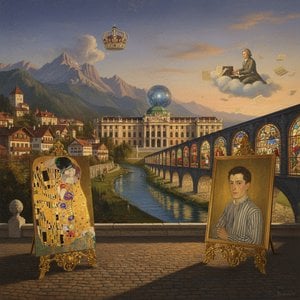
Embark on a sophisticated journey through Austrian art history. Explore the golden brilliance of Gustav Klimt and the elegance of the Vienna Secession through an expert lens, celebrating the enduring soul of Central European masterpieces.

Explore the profound impact of the Vienna Secession movement. Discover how visionaries like Gustav Klimt revolutionized modern art through symbolism, gold leaf, and bold ornamentation in this deep dive into the aesthetic revolution that redefined the visual landscape of Europe.


 미리보기
미리보기
 공유하기
공유하기 공유하기
공유하기
 상세 정보
상세 정보

 다운로드
다운로드
 유사 작품
유사 작품 X-레이
X-레이 슬라이드 쇼
 통계 정보
통계 정보

 더 보기
더 보기









 유리 옵션은 110cm 미만 크기에서만 선택 가능합니다.


