
빠른 제작과 다양한 마감 옵션을 제공하는 박물관 품질의 지클레이 또는 캔버스 프린트. ( 손으로 그린 그림 구매 디지털 이미지로 전환)





























작품의 원본 비율을 유지하는 미리 설정된 크기 중에서 선택하세요.

특정 프레임이나 공간에 맞춰 직접 치수를 입력하실 수 있습니다. 선택하신 사이즈가 원본 이미지의 비율과 일치하지 않을 경우, 작품을 크롭(자르기)하거나 이미지를 대칭 또는 단색 채우기로 확장하여 제작합니다. 제작 시작 전, 최종 확인을 위해 디지털 목업이 전송됩니다.
화면상의 미리보기는 실제 크롭이나 확장 상태를 반영하지 않으므로, 최종 구도는 오직 목업을 통해서만 정확하게 확인하실 수 있습니다.
맞춤 사이즈 제작도 가능하지만, 원본 비율을 유지하기 위해서는 사전 정의된 목록에서 치수를 선택하시는 것을 권장합니다.

Forest of Beech Trees
복제본 크기
Gustav Klimt’s “Forest of Beech Trees,” completed in 1902, stands as a cornerstone of Symbolist art and an emblem of the Viennese Secession’s audacious embrace of Art Nouveau aesthetics. More than just a depiction of autumnal foliage, this painting delves into profound themes of nature's cyclical beauty and Klimt’s deeply rooted fascination with spiritual symbolism—a legacy that continues to resonate powerfully within the realm of modern art.
Klimt skillfully blended the tenets of Symbolism with the opulent decorative patterns characteristic of Art Nouveau, resulting in a visual experience unlike any other. “Forest of Beech Trees” exemplifies this fusion perfectly. The artist eschewed traditional representational concerns, prioritizing instead the conveyance of emotion and spiritual significance through meticulously crafted geometric forms and vibrant hues. This stylistic choice reflects Klimt’s desire to transcend mere imitation of reality, aiming for an artistic expression that speaks directly to the subconscious mind.
Painted during Vienna’s burgeoning cultural renaissance—a period marked by intellectual ferment and groundbreaking artistic experimentation—the painting embodies the spirit of its time. The Secession movement, spearheaded by Klimt himself, actively challenged academic conventions and championed new artistic approaches that prioritized subjective experience and symbolic representation. “Forest of Beech Trees” serves as a tangible testament to this era’s commitment to innovation and its rejection of established artistic norms.
The painting's composition is dominated by a row of beech trees, arranged in an orderly fashion that contrasts with the organic chaos of nature. Klimt employed bold, saturated colors—primarily reds—to capture the fiery brilliance of autumn leaves, creating a dynamic visual effect. Furthermore, he utilized a technique reminiscent of cloisonné enamel—a method favored by Art Nouveau artists—characterized by intricate geometric patterns overlaid on surfaces to produce shimmering textures and heighten aesthetic impact. The meticulous layering of paint contributes to the overall sense of depth and luminosity.
"Forest of Beech Trees" continues to captivate audiences today, lauded for its artistic brilliance and historical significance. Currently housed at the Österreichische Galerie Belvedere in Vienna, Austria—a museum dedicated to showcasing Austrian art from antiquity to contemporary times—the painting remains a celebrated exemplar of Symbolist artistry. Reproductions available at WahooArt.com offer an opportunity to immerse oneself in Klimt’s visionary aesthetic, preserving this masterpiece for generations to come.


1862 - 1918 , 오스트리아

Discover the enchanting world of Art Nouveau. Explore the flowing lines of Alphonse Mucha and learn how to integrate these timeless, organic masterpieces into your collection with expert guidance on fine art appreciation and preservation.

Explore the profound impact of the Vienna Secession movement. Discover how visionaries like Gustav Klimt revolutionized modern art through symbolism, gold leaf, and bold ornamentation in this deep dive into the aesthetic revolution that redefined the visual landscape of Europe.
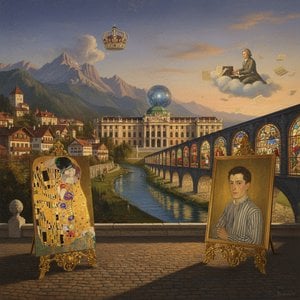
Embark on a sophisticated journey through Austrian art history. Explore the golden brilliance of Gustav Klimt and the elegance of the Vienna Secession through an expert lens, celebrating the enduring soul of Central European masterpieces.

Discover the exquisite world of Art Nouveau. Explore the elegant fusion of nature and design through architectural masterpieces, organic forms, and the legendary masters of the Belle Époque. Immerse yourself in a journey of timeless sophistication and ornamental beauty.

Embark on a sophisticated journey through the splendor of Austrian art. From Gustav Klimt’s golden masterpieces to the elegance of the Viennese Secession, discover the history and symbolism behind Europe's most iconic works for the discerning collector.


 미리보기
미리보기
 공유하기
공유하기 공유하기
공유하기
 상세 정보
상세 정보

 다운로드
다운로드
 유사 작품
유사 작품 X-레이
X-레이 슬라이드 쇼
 통계 정보
통계 정보

 더 보기
더 보기









 유리 옵션은 110cm 미만 크기에서만 선택 가능합니다.


