

작가가 직접 캔버스에 손으로 그린 유화 작품으로, 원하는 크기와 액자로 맞춤 제작해 드립니다. ( 프린트 판매로 전환 디지털 이미지 판매 채널로 전환)





























작품의 원본 비율을 그대로 유지하는 프리셋 사이즈 중에서 선택해 보세요.

특정 프레임이나 공간에 맞춰 원하는 크기를 직접 입력하실 수 있습니다. 선택하신 크기가 원본 이미지의 비율과 일치하지 않을 경우, 작품을 자르거나 추가적인 수작업 요소를 더해 그림을 확장하여 제작합니다. 제작 시작 전, 최종 확인을 위해 디지털 목업을 보내드립니다.
화면상의 미리 보기는 실제 크롭(자르기)이나 확장된 상태를 완벽히 반영하지 않을 수 있습니다. 최종 구도는 오직 목업을 통해서만 정확하게 확인하실 수 있습니다.
맞춤 크기 제작도 가능하지만, 원본의 비율을 그대로 유지하기 위해서는 미리 정의된 목록에서 크기를 선택하시는 것을 권장합니다.

Die Music
복제본 규격
Gustav Klimt's "Die Music" (1895) isn’t merely a painting; it’s an immersive experience, a visual poem rendered in the shimmering language of Art Nouveau. This captivating work, housed within the Bavarian State Painting Collections in Munich, offers a profound meditation on art, music, and the fleeting nature of time itself. Klimt, a pivotal figure in Vienna's Secession movement, masterfully employed his signature style—a potent blend of decorative excess, symbolic depth, and an undeniable eroticism—to create a piece that continues to resonate with viewers over a century later. The painting’s allure lies not just in its exquisite detail but also in the layers of meaning it subtly unveils, inviting contemplation long after the initial viewing.
At first glance, “Die Music” presents a seemingly simple scene: a woman seated at a grand piano, her hands poised over the keys. However, Klimt’s genius lies in transforming this commonplace tableau into something far more complex and evocative. The background is not a mere backdrop but an intricate tapestry of symbolic elements. A prominent clock, frozen at a specific moment, represents the relentless march of time—a theme frequently explored by Klimt – while a vase overflowing with flowers symbolizes elegance, refinement, and perhaps even the ephemeral beauty of life itself. A skull, a recurring motif in Klimt’s oeuvre, serves as a poignant reminder of mortality, grounding the scene in the awareness of transience. Two figures are present: one standing to the left of the woman, partially obscured, and another further back on the right side, adding an element of mystery and suggesting a narrative beyond the immediate depiction.
The painting’s style is deeply rooted in the Art Nouveau movement, also known as Jugendstil in Germany. Klimt's use of flowing lines, organic forms, and decorative patterns—particularly evident in the woman’s gown and the background design—is characteristic of this aesthetic. However, “Die Music” transcends mere stylistic imitation; it embodies the core principles of Art Nouveau: a celebration of beauty, nature, and craftsmanship. Klimt's masterful application of gold leaf, a technique he perfected during his travels to Italy, elevates the painting to an almost ethereal level. The shimmering gold not only adds visual richness but also symbolizes eternity, divinity, and the transformative power of art itself. This lavish use of gold was revolutionary for its time, challenging traditional notions of painting and pushing the boundaries of artistic expression.
Beyond its aesthetic qualities, “Die Music” is rich in symbolic meaning. The woman at the piano is often interpreted as representing harmony and beauty—the very essence of music itself. Her posture, her focused gaze, and her connection to the instrument all contribute to this interpretation. Klimt’s deliberate choice of a female subject reflects the prevalent fascination with femininity during the late 19th century, but also subtly challenges conventional gender roles by portraying a woman as an active creator—a musician shaping sound and emotion. The painting can be viewed as a meditation on the creative process, the power of art to transcend time and mortality, and the enduring allure of beauty and harmony. It’s a testament to Klimt's ability to imbue a seemingly simple scene with profound emotional depth and intellectual complexity. For those seeking a piece that speaks to the soul—a work that embodies both artistic brilliance and timeless symbolism—"Die Music" remains an unparalleled masterpiece.
Further Resources:


1862 - 1918 , 오스트리아
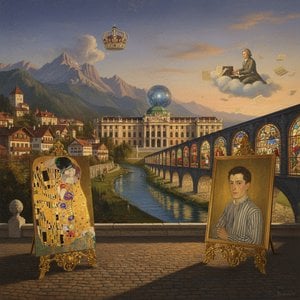
Embark on a sophisticated journey through Austrian art history. Explore the golden brilliance of Gustav Klimt and the elegance of the Vienna Secession through an expert lens, celebrating the enduring soul of Central European masterpieces.

Discover the exquisite world of Art Nouveau. Explore the elegant fusion of nature and design through architectural masterpieces, organic forms, and the legendary masters of the Belle Époque. Immerse yourself in a journey of timeless sophistication and ornamental beauty.

Explore the profound impact of the Vienna Secession movement. Discover how visionaries like Gustav Klimt revolutionized modern art through symbolism, gold leaf, and bold ornamentation in this deep dive into the aesthetic revolution that redefined the visual landscape of Europe.

Explore the imperial grandeur of Vienna through art history. Discover the architectural mastery of Otto Wagner and the elegance of the Secessionist movement in this sophisticated guide to Austria's timeless aesthetic legacy.

Embark on a sophisticated journey through the splendor of Austrian art. From Gustav Klimt’s golden masterpieces to the elegance of the Viennese Secession, discover the history and symbolism behind Europe's most iconic works for the discerning collector.

 실제 크기로 보기
 보내기
보내기 공유하기
공유하기
 상세 보기
상세 보기 가이드 보기

 이미지 다운로드
 유사 작품 더 보기
 X-레이
X-레이 슬라이드 쇼 보기
 통계 정보
통계 정보

 상세 보기
상세 보기









 유리 옵션은 110cm 미만 크기에서만 선택 가능합니다.


