

빠른 제작과 다양한 마감 옵션을 제공하는 박물관 수준의 지클레이 및 캔버스 프린트. ( 수작업 채색 복제본 주문하기 디지털 이미지로 전환)
작품의 원본 비율을 그대로 유지하는 프리셋 사이즈 중에서 선택해 보세요.

액자나 벽면 크기에 맞춰 필요한 가로와 세로 길이를 입력해 주세요. 프린트는 원본 이미지보다 크게 제작할 수 없으며 오직 자르는 것만 가능하므로, 비율이 다른 사이즈를 선택할 경우 이미지의 일부가 잘려 나갈 수 있습니다. 인쇄 작업에 들어가기 전, 최종 확인을 위해 디지털 목업을 보내드립니다. 이 페이지에 표시된 이미지는 실제 잘리는 영역을 나타내지 않으며, 오직 목업을 통해서만 정확한 확인이 가능합니다.
Delight at Table
복제본 크기
In the heart of the Vienna Secession movement, few works capture the tender intersection of intimacy and opulence quite like Gustav Klimt’s “Delight at Table.” Completed in 1906, this masterpiece serves as a luminous window into a world of idealized domesticity. The scene unfolds with a profound sense of peace, centering on a woman seated at a dining table, her focus entirely devoted to the gentle act of feeding her infant son. This maternal connection is framed by the presence of two men engaged in quiet conversation, creating a tableau that feels both monumental and deeply personal. For the discerning collector or interior designer, this painting offers more than mere decoration; it provides an emotional anchor, inviting a sense of warmth, stability, and timeless grace into any curated space.
The visual language of the piece is a breathtaking testament to Klimt’s mastery of the Art Nouveau aesthetic. Moving away from the rigid constraints of academic realism, Klimt embraced a revolutionary approach where organic forms and geometric patterns dance across the canvas. The painting is celebrated for its extraordinary use of texture and light, achieved through the painstaking process of granulation—the application of minute metallic particles to create a shimmering, ethereal effect. This technique allows the surface to catch the light, making the artwork appear as though it is radiating from within. Such intricate detail ensures that whether viewed in person or through a high-quality reproduction, the painting retains its captivating, multidimensional allure.
Beyond its surface beauty, “Delight at Table” is steeped in the symbolic richness characteristic of the turn-of-the-century Austro-Hungarian society. Every element, from the delicate floral motifs to the heavy use of gold leaf, speaks to themes of fertility, continuity, and the sanctity of the family unit. Klimt utilizes these decorative elements not merely as ornament, but as a way to elevate a simple meal into a sacred ritual. The interplay between the soft, human forms of the subjects and the rigid, glittering patterns of their surroundings creates a tension that is both sensual and spiritual, reflecting the Secessionist rebellion against the mundane and the pursuit of a higher, more aesthetic truth.
For those looking to infuse a room with historical depth and artistic prestige, this work stands as an unparalleled choice. It embodies a period of intense intellectual and artistic ferment, where the boundaries of modern art were being redrawn. To possess a reproduction of such a significant piece is to bring a fragment of Viennese history into the contemporary home—a piece that inspires contemplation, celebrates the beauty of human connection, and serves as a sophisticated focal point for any elegant interior design scheme.
구스타프 클림트의 "Delight at Table"은(는) Modern 시대의 작품으로, 이 시기는 해당 작품의 역사적 배경을 잘 보여줍니다.
구스타프 클림트의 "Delight at Table"은(는) Accent(으)로 활용하시기에 가장 좋습니다. 그 외에도 다양한 용도로 사용하실 수 있습니다.
구스타프 클림트의 "Delight at Table"의 Neutrals 색조는 작품 특유의 Mysterious 분위기와 조화를 이룹니다. 색채는 작품이 감정을 전달하는 핵심적인 요소 중 하나입니다.

빈 근처의 작은 마을 바움가르텐에서 태어난 구스타프 클림트는 금속의 영롱한 광채가 일상 속에 늘 머물러 있는 세상에서 성장했습니다. 그의 아버지 에른스트 클림트는 금 세공인이였는데, 이는 흔들림 없는 손길과 아주 미세한 디테일까지 포착해내는 예리한 눈을 필요로 하는 정교한 작업이었습니다. 귀금속에 대한 이러한 어린 시절의 친밀함과 정밀한 조각 기술은 훗날 그의 예술 세계를 관통하는 작품의 영혼 속에 깊이 스며들게 됩니다. 하지만 그의 삶이 언제나 찬란한 광채와 평온함으로만 가득했던 것은 아니었습니다. 가문의 잦은 경제적 어려움은 가족들을 빈의 여러 거리로 떠돌게 만들었고, 이러한 삶의 변화와 안정을 찾기 위한 투쟁은 가난의 무게와 장식의 매혹을 동시에 이해하는 한 예술가를 빚어냈습니다.
그의 재능은 열네 살 무렵에 이미 무시할 수 없을 만큼 확연히 드러났습니다. 1876년, 그는 타고난 감각을 체계적인 예술적 규율로 승화시키기 위해 빈 응용 미술학교(Kunstgewerbeschule)에 입학했습니다. 그는 처음부터 인간 형상의 복잡함을 탐구하기보다는, 구조화된 세계인 건축 회화를 마스터하며 예술적 여정을 시작했습니다. 페르디난트 라우프베르거의 지도 아래, 그는 당대의 장식적 요구에 맞춰 건물의 웅장한 공간을 꾸미는 법을 배웠습니다. 이러한 엄격한 훈련은 훗날 그가 더욱 개인적이고 실험적인 예술적 비전을 구축해 나가는 데 있어 견고한 기술적 토대가 되었습니다.
1890년대 후반에 이르러, 구스타프 클림트의 정형화된 예술 교육 이면에서는 요동치는 에너지가 꿈틀거리기 시작했습니다. 오랫동안 빈의 예술계를 지배해 온 무겁고 역사적인 아카데미즘은 그에게 점점 더 숨 막히는 구속처럼 느껴졌습니다. 그는 전통이라는 엄격한 규율에서 벗어나 혁신이 숨 쉴 수 있는 공간, 예술가가 마침내 자유롭게 호흡할 수 있는 장소를 갈망했습니다. 이러한 창조적 자유에 대한 갈망은 그를 빈 분리주의 운동의 창립 멤버로 이끌었습니다. 이 운동은 아르누보, 상징주의, 그리고 일본주의와 같은 새로운 예술적 흐름을 포용하려는 열망에서 탄생했습니다. 1897년, 그는 이 저항적인 그룹의 첫 번째 회장으로 선출되었으며, 도시의 예술적 영혼이 나아갈 새로운 방향을 제시하는 데 결정적인 역할을 했습니다.
이러한 반항은 단순히 화풍의 변화를 의미하는 것이 아니라, 세상을 바라보는 오래된 방식에 대한 거부였습니다. 구스타프 클림트는 과거의 예측 가능한 거대 서사로부터 눈을 돌려, 유기적인 선과 심오한 상징적 깊이를 선택했습니다. 그는 일본 미술에서 발견되는 평면적인 관점과 패턴 중심의 미학을 적극적으로 수용하며, 순수 회화와 장식적 디자인 사이의 경계를 허물고자 했습니다. 이러한 변화를 통해 그는 인간의 친밀함과 죽음이라는 복잡한 주제를 매우 솔직하게 탐구했으며, 이는 종종 보수적인 대중들에게 당혹감을 안겨주기도 했습니다. 그의 작품은 단순한 외형적 유사성을 넘어, 대상이 지닌 심리적 무게를 우선시하는 더욱 개인적이고 장식적인 언어로 나아가기 시작했습니다.
구스타프 클림트의 명성이 높아짐에 따라, 그는 협력의 정신 속에서 예술적 동료들과 함께 성장해 나갔습니다. 그는 형 에른스트와 프란츠 폰 마츠와 파트너십을 맺으며 예술적 연대를 형성했습니다. 이 세 명의 예술가는 공동의 목표를 향해 나아갔으며, 빈의 웅장한 공간들을 장식하기 위한 중요한 의뢰들을 성공적으로 완수해 냈습니다. 경력 초기, 그들은 대규모 장식 벽화와 천장화 작업에 몰두했는데, 이는 고도의 절제된 솜씨와 정교한 장식미를 요구하는 고된 작업이었습니다. 이러한 공공 공간에서의 활동은 그들을 황실의 영향력 아래로 이끌었습니다. 특히 부르크 극장의 벽화 작업에 기여한 공로를 인정받아, 황제 프란츠 요제프 1세로부터 금 훈장(Gold Cross of Merit)을 수여받기도 했습니다. 이는 그가 오스트리아 상류 사회의 일원으로 당당히 인정받았음을 상징하는 영광스러운 순간이었습니다.
하지만 이러한 거대한 프로젝트들이 지닌 공공성은 역설적으로 갈등의 씨앗이 되기도 했습니다. 끊임없이 진화하며 더욱 도발적으로 변해가는 그의 예술적 비전과 국가가 요구하는 전통적 기대치 사이의 긴장감은 점차 무거운 짐이 되어갔습니다. 빈 대학교의 천장 벽화를 둘러싼 논란을 겪으며, 구스타프 클림트는 자신의 예술 인생에 있어 결정적인 전환점을 맞이합니다. 그는 국가가 주도하는 경직된 예술적 규율에서 벗어나기로 결심하고, 더 이상의 공공 의뢰를 거부하는 길을 택했습니다. 대신 그는 개인 후원자들의 지지에 의지하며 예술적 자유를 갈구했습니다. 이러한 변화는 그를 학문적 전통의 제약으로부터 해방시켜 주었으며, 훗날 그의 가장 찬란한 전성기를 정의하게 될 더욱 개인적이고 친밀한 화풍에 몰두할 수 있는 토대가 되었습니다.
1900년경, 구스타프 클림트의 붓끝에는 거대한 변화가 찾아왔고, 이는 그의 예술적 유산을 정의하는 결정적인 시대로 이어졌습니다. 그는 청년 시절의 무겁고 학구적인 명암법에서 벗어나, 빛을 머금은 듯한 화려하고 장식적인 언어를 받아들이기 시작했습니다. 이 시기 그의 캔버스는 마치 물감 자체가 천상의 빛을 품고 있는 것처럼 스스로 빛을 발하기 시작했습니다. 그는 금박을 세밀하게 입히는 기법을 통해 인물들에게 영롱하면서도 초현실적인 존재감을 부여했습니다. 이러한 빛과 표면에 대한 집착은 결코 우연한 결과가 아니었습니다. 그는 라벤나의 고대 모자이크와 중세 필사본에서 발견되는 복잡하고 신성한 문양들로부터 깊은 영감을 얻었으며, 이 귀하고 반사적인 재료들을 통해 영원함의 정수를 포착하고자 했습니다.
그의 예술적 비전은 일본 미술이 지닌 정적인 우아함에 의해 더욱 풍성해졌습니다. 그는 우키요에 판화의 평면적인 원근법과 리드미컬한 패턴의 미학을 자신의 구성 속에 자연스럽게 녹여냈습니다. 이러한 융합은 물리적인 세계와 보다 상징적이고 장식적인 영역 사이의 경계를 허물어뜨렸습니다. 그의 작품 속 인물들은 마치 기하학적 형상과 유기적인 소용돌이가 뒤섞인 바다 위로 떠오르는 듯한 느낌을 주며, 질감과 색채의 춤 속에 머물러 있는 듯 보였습니다. 그는 단순히 대상을 묘사하는 것에 그치지 않고, 대상을 복잡한 모자이크 같은 환경 속에 가둠으로써 관람객이 느끼는 깊이감과 공간감에 도전했습니다.
구스타프 클림트의 붓끝이 가장 심오한 예술적 표현을 마주한 순간은, 금빛이 단순히 색채를 넘어 피사체의 일부로서 살아 움직이기 시작했을 때였습니다. 1907년에서 1908년 사이 탄생한 키스는 한 쌍의 연인이 찬란하게 빛나는 패턴의 아우라에 휩싸여 있는 모습을 보여주는 걸작입니다. 꽃들이 만발한 초원 위로 떠오른 듯한 두 인물은 캔버스의 단순한 경계를 허물며 친밀한 포옹 속에 하나로 얽혀 있습니다. 이 시기의 강렬한 장식성은 단순한 미적 선택을 넘어, 인간 관계가 지닌 심리적 무게를 포착해내기 위한 그만의 방식이었습니다. 이러한 예술적 시도는 1905년에 그려진 여성의 세 가지 연령에서도 유사하게 나타나지만, 그 정서는 훨씬 더 엄숙합니다. 그는 젊은 인물들에게는 푸르고 유동적인 패턴을, 노년의 여성에게는 따뜻하고 대지의 기운이 느껴지는 색조를 대조적으로 배치함으로써, 피할 수 없는 삶의 순환과 노화라는 물리적 실체를 그려냈습니다.
인간의 형상을 복잡하고 모자이크 같은 질감과 조화시키는 그의 능력은 초상화 작업에서 정점에 달했습니다. 아델레 블로흐 바우어 1세의 초상은 정교하고 영롱하게 빛나는 표면을 통해 인물의 존재감을 포착하며 그의 예술적 유산의 중심을 차지하고 있습니다. 그는 전통적인 명암법 대신 일본 미술의 평면적인 원근법을 차용하여, 패턴을 통해 깊이감을 만들어내는 독창적인 구성을 선보였습니다. 이러한 유기적이고 소용돌이치는 선들에 대한 집착은 1909년에 완성된 생명의 나무에서 가장 극명하게 드러납니다. 이 작품은 나선형의 곡선과 황금빛을 사용하여 끊임없는 성장과 움직임을 암시하며, 이는 영혼의 신비에 천착했던 그의 예술적 관심사를 고스란히 반영하고 있습니다.
세월이 흐르며 한때 그의 존재를 정의했던 무겁고 찬란한 장식들은 서서히 물러나기 시작했습니다. 초기 성공을 이끌었던 밀도 높은 금박 대신, 각진 형태와 표현주의적인 단순함이 특징인 보다 절제된 미학이 새롭게 떠올랐습니다. 이러한 변화는 세상을 바라보는 방식이 더욱 직접적이고, 어쩌면 더욱 냉혹하게 변해갔음을 암시했습니다. 그의 붓터치는 더욱 빠르고 자유로워졌으며, 젊은 시절의 세밀한 정교함에서 벗어나 마치 무언가에 쫓기듯 유동적이고 긴박하게 색채를 입혀 나갔습니다.
이러한 양식적 진화의 시기는 개인적, 세계적으로 깊은 고난이 닥친 시대와 맞물려 있었습니다. 세상은 스페인 독감 팬데믹의 그림자에 휩싸여 있었고, 그 비극은 그의 삶을 포함한 수많은 생명을 앗아갔습니다. 육체적인 쇠약함과 싸우면서도 그의 창조적 정신은 끊임없이 새로운 형태를 갈구했습니다. 1918년, 그는 법학(The Jurisprudence)을 완성했는데, 이 작품은 심판과 운명에 대한 복잡하고도 불안한 탐구를 반영하고 있었습니다. 이는 장식적인 화려함에서 벗어나 더욱 침울하고 심리적인 무게감을 담아낸 회화였습니다.
마지막은 1918년 초, 갑작스럽게 찾아왔습니다. 뇌졸중을 겪고 폐렴이 시작된 그는 1918년 2월 6일 세상을 떠났습니다. 그가 남긴 작업실에는 고요한 내면의 성찰과 여성의 신비로운 디테일에 대한 매혹을 담아낸 초상화들을 비롯하여, 변화의 과정에 놓인 수많은 미완의 걸작들이 가득했습니다. 그의 마지막 시절은 끊임없는 움직임의 연속이었으며, 죽음조차 완전히 잠재울 수 없었던 새로운 시각적 언어를 향한 쉼 없는 탐구의 시간이었습니다.
그의 창조적 반란이 일으킨 파동은 오스트리아의 국경을 넘어 유럽 전역의 아르누보 양식을 정의하는 데 결정적인 역할을 했습니다. 과거의 무거운 역사적 아카데미즘에서 탈피함으로써, 그는 유기적인 선과 상징적 깊이를 포용하는 새로운 시각적 언어의 문을 열었습니다. 이러한 변화는 오스트리아 모더니즘의 궤적을 근본적으로 바꾸어 놓았으며, 예술적 초점을 경직된 전통에서 인간 경험에 대한 보다 개인적이고 심리적인 탐구로 이동시켰습니다. 그의 영향력은 그의 뒤를 이은 예술가들에게서 가장 뚜렷하게 나타났는데, 대표적으로 클림트가 개척한 표현적 가능성으로부터 영감을 받은 후배 예술가 에곤 실레를 들 수 있습니다.
그가 세상을 떠난 지 오랜 시간이 흐른 뒤에도 그의 예술적 통찰이 지닌 가치는 여전히 거대합니다. 그의 회화 작품들은 경매에서 역대 최고가 중 하나를 기록하며, 장식적인 패턴과 깊은 감정을 결합해내는 그의 독보적인 능력에 대한 지속적인 찬사를 증명하고 있습니다. 금박과 질감을 통해 영혼의 보이지 않는 풍경을 그려낸 그의 방식은 그의 이름이 현대 미술사의 중심에 영원히 머물게 했습니다. 오늘날에도 예술가들이 물리적인 것과 정신적인 것 사이의 긴장감을 다루는 방식 속에서, 그의 예술적 존재감은 여전히 살아 숨 쉬고 있습니다.
구스타프 클림트가 꿈꾸었던 환상적인 비전을 실물로 마주하기 위해서는 빈의 심장부로 향해야 합니다. 그곳의 오스트리아 벨베데레 궁전 미술관은 그의 찬란한 예술적 성취를 고스란히 간직하고 있습니다. 미술관의 벽면을 채운 금박들은 마치 시간의 흐름을 거스르는 듯한 온기를 여전히 머금고 있는 듯합니다. 인근의 레오폴트 미술관 또한 그의 중요한 걸작들을 소장하고 있어, 예술적 진화의 과정을 색다른 시각으로 바라볼 수 있는 기회를 제공합니다. 이러한 컬렉션들을 통해 관람객은 그의 초기 학구적인 훈련 시절부터, 가장 찬란했던 전성기를 정의한 장식적 강렬함에 이르기까지의 변화를 깊이 있게 추적할 수 있습니다.
그의 예술적 영향력은 오스트리아의 국경을 넘어 세계 곳곳으로 뻗어 있습니다. 로마의 국립 현대 미술관에는 그의 심오한 심리적 깊이를 엿볼 수 있는 작품들이 전시되어 있으며, 프라하의 국립 미술관은 그의 후기 예술 세계인 절제된 미학을 만날 수 있는 공간을 제공합니다. 이처럼 세계 곳곳에 흩어진 예술적 유산들은 인간의 형태와 삶의 복잡성을 탐구했던 그의 위대한 여정이 오늘날까지도 우리 곁에 살아 숨 쉬게 합니다.

1862 - 1918 , 오스트리아

Embark on a visual journey through the world's most radiant masterpieces. Discover how gold leaf, impasto textures, and gilded tones define luxury in fine art, from Byzantine icons to modern abstracts. Explore the eternal allure of gold in curated, museum-quality art collections.
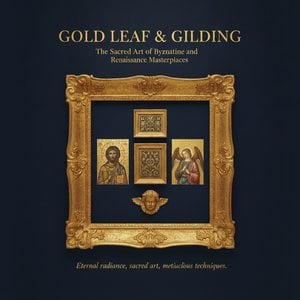
Explore the divine mastery of Byzantine gold leaf and gilding. Discover how ancient artisans used gold ground and mosaics to create celestial light, a timeless legacy of spiritual splendor and technical excellence in sacred art history.

Transform your interiors with the timeless radiance of gold leaf art. Discover museum-quality, hand-painted oil reproductions and bespoke gilded commissions. From Byzantine splendor to Klimt’s brilliance, explore exquisite pieces curated for the most discerning luxury collectors.

Explore the profound impact of the Vienna Secession movement. Discover how visionaries like Gustav Klimt revolutionized modern art through symbolism, gold leaf, and bold ornamentation in this deep dive into the aesthetic revolution that redefined the visual landscape of Europe.
 공유하기
공유하기 공유하기
공유하기
 상세 정보
상세 정보 가이드 보기

 다운로드
다운로드
 유사 작품 더 보기
 슬라이드 쇼 보기
 질의응답
질의응답
 통계 정보
통계 정보

 더 보기
더 보기






































 유리 옵션은 110cm 미만 크기에서만 선택 가능합니다.


