

빠른 제작과 다양한 마감 옵션을 선택할 수 있는 박물관 수준의 지클레이 및 캔버스 프린트. ( 수작업 채색 복제본 주문하기 디지털 이미지 판매 채널로 전환)





























작품의 원본 비율을 그대로 유지하는 프리셋 사이즈 중에서 선택해 보세요.

특정 프레임이나 공간에 맞춰 직접 치수를 입력하실 수 있습니다. 선택하신 사이즈가 원본 이미지의 비율과 일치하지 않을 경우, 작품을 크롭(자르기)하거나 이미지를 대칭 또는 단색 채우기로 확장하여 제작합니다. 제작 시작 전, 최종 확인을 위해 디지털 목업이 전송됩니다.
화면상의 미리보기는 실제 크롭이나 확장 상태를 반영하지 않으므로, 최종 구도는 오직 목업을 통해서만 정확하게 확인하실 수 있습니다.
맞춤 사이즈 제작도 가능하지만, 원본 비율을 유지하기 위해서는 사전 정의된 목록에서 치수를 선택하시는 것을 권장합니다.

Bride, The(unfinished)
복제본 규격
Gustav Klimt's The Bride (Unfinished), created between 1917 and 1918, stands as a poignant testament to the artist’s final creative period. Left incomplete at his death, this large-scale artwork offers a captivating glimpse into Klimt's evolving style and allegorical explorations. It is more than just an unfinished painting; it's a window into the mind of one of Austria's most celebrated artists.
The composition of The Bride (Unfinished) is complex and intriguing, featuring multiple women in various poses. The central figure, a woman reclining with her head turned away from the viewer, exudes an air of mystery and introspection. She is surrounded by other women—some standing, others seated—creating a layered arrangement that draws the eye deeper into the scene. Objects like a clock on the wall and a vase near one of the figures add to the painting's depth and symbolic richness. Two bowls positioned within the composition further enhance its complexity, suggesting themes of abundance and perhaps even cyclical life.
The symbolism embedded within the artwork remains open to interpretation, characteristic of Klimt’s style. The reclining bride could represent fertility, marriage, or a transition into womanhood. The surrounding figures might symbolize aspects of her inner world—desires, memories, or societal expectations. The clock hints at the passage of time and the fleeting nature of existence, while the vase may allude to creativity and inspiration.
Klimt’s artistic style was a unique blend of Symbolism and Art Nouveau, characterized by its decorative richness and psychological depth. He drew inspiration from various sources, including ancient Egyptian and Byzantine art, evident in the stylized figures and intricate patterns. His use of gold leaf, a signature element of his "Golden Phase," adds a luminous quality to the painting, enhancing its otherworldly atmosphere.
The Bride (Unfinished) showcases Klimt’s evolving style towards Expressionism. While retaining his characteristic decorative elements, the composition feels more densely packed and emotionally charged than some of his earlier works. The unfinished state allows us to see the artist's process—the underdrawing, the layering of paint—providing a rare glimpse into his creative method.
Created during the early 20th century, a period marked by significant shifts in artistic styles, The Bride (Unfinished) reflects this changing landscape. The rise of modern movements like Fauvism, Cubism, and Surrealism challenged traditional approaches to art, and Klimt’s work, while rooted in established techniques, demonstrates an innovative spirit that paved the way for future generations of artists.
Klimt's position within the Vienna Secession movement further contextualizes this artwork. The Secession aimed to break away from conservative artistic traditions and embrace new forms of expression, making Klimt’s exploration of symbolism and sensuality particularly relevant to his time.


1862 - 1918 , 오스트리아

Explore the profound impact of the Vienna Secession movement. Discover how visionaries like Gustav Klimt revolutionized modern art through symbolism, gold leaf, and bold ornamentation in this deep dive into the aesthetic revolution that redefined the visual landscape of Europe.
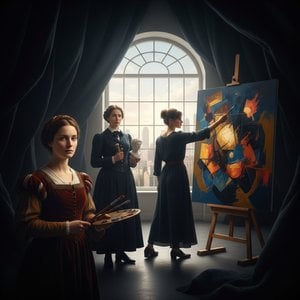
미술사의 흐름을 바꾼 위대한 여성 예술가들을 만나보세요. 아르테미시아 젠틸레스키부터 프리다 칼로까지, 역사의 그늘에 가려졌던 거장들의 강렬한 서사와 예술적 성취를 깊이 있게 조명합니다. 클래식 미술의 진정한 가치를 사랑하는 컬렉터를 위해 WahooArt가 전하는 품격 있는 예술 인문학 여행에 여러분을 초대합니다.

Discover the enchanting world of Art Nouveau. Explore the flowing lines of Alphonse Mucha and learn how to integrate these timeless, organic masterpieces into your collection with expert guidance on fine art appreciation and preservation.

Explore the profound resurgence of female masters Artemisia Gentileschi and Berthe Morisot. Discover how their revolutionary use of light, shadow, and intimacy redefined art history and continues to inspire sophisticated modern collections.

Discover the exquisite world of Art Nouveau. Explore the elegant fusion of nature and design through architectural masterpieces, organic forms, and the legendary masters of the Belle Époque. Immerse yourself in a journey of timeless sophistication and ornamental beauty.

 실제 크기로 보기
 보내기
보내기 공유하기
공유하기
 상세 보기
상세 보기 가이드 보기

 이미지 다운로드
 유사 작품 더 보기
 X-레이
X-레이 슬라이드 쇼 보기
 통계 정보
통계 정보

 상세 보기
상세 보기









 유리 옵션은 110cm 미만 크기에서만 선택 가능합니다.


