
 Oil On CanvasWallArtArt Nouveau
 1918Modern
 110.0 x 110.0 cm
빠른 제작과 다양한 마감 옵션을 제공하는 박물관 품질의 지클레이 또는 캔버스 프린트. ( 손으로 그린 그림 구매 디지털 이미지로 전환)





























작품의 원본 비율을 유지하는 미리 설정된 크기 중에서 선택하세요.

특정 프레임이나 공간에 맞춰 직접 치수를 입력하실 수 있습니다. 선택하신 사이즈가 원본 이미지의 비율과 일치하지 않을 경우, 작품을 크롭(자르기)하거나 이미지를 대칭 또는 단색 채우기로 확장하여 제작합니다. 제작 시작 전, 최종 확인을 위해 디지털 목업이 전송됩니다.
화면상의 미리보기는 실제 크롭이나 확장 상태를 반영하지 않으므로, 최종 구도는 오직 목업을 통해서만 정확하게 확인하실 수 있습니다.
맞춤 사이즈 제작도 가능하지만, 원본 비율을 유지하기 위해서는 사전 정의된 목록에서 치수를 선택하시는 것을 권장합니다.

Baby
복제본 크기
Gustav Klimt's "Baby," painted in 1918, is more than just a depiction of motherhood; it’s a profound meditation on time, vulnerability, and the enduring connection between generations. Emerging from the fertile ground of Vienna Secession, this intimate canvas embodies Klimt’s signature style—a masterful blend of decorative intensity, symbolic depth, and an almost otherworldly use of color and texture. The painting immediately draws the viewer in with its rich palette dominated by gold leaf, a technique that elevates the scene to something akin to sacred space, while simultaneously grounding it in the very real emotions of motherly love.
At first glance, the composition presents a simple tableau: a woman lies on her side, cradling a baby. However, Klimt’s genius lies in layering meaning beneath this apparent simplicity. The woman's nudity isn’t merely an aesthetic choice; it represents a primal connection to nature and the inherent beauty of the maternal form. Her pose is one of quiet surrender and profound tenderness, inviting the viewer into her private world. The baby, nestled securely against her chest, embodies innocence and new life—a potent symbol of hope and continuity.
Beyond the central figures, Klimt meticulously orchestrates a subtle yet powerful visual language. The two birds in the background, perched on branches, are often interpreted as symbols of peace and harmony—a gentle counterpoint to the intensity of human emotion. Crucially, three clocks punctuate the scene, each representing a different facet of time’s passage. One clock is prominently displayed near the top left corner, another at the bottom right, and a third subtly positioned above the center. This deliberate arrangement isn't simply decorative; it serves as a poignant reminder of the fleeting nature of life and the cyclical rhythm of birth, growth, and decay. Klimt masterfully uses these symbols to create a complex tapestry of meaning that rewards careful observation.
Klimt’s distinctive style is immediately recognizable through his lavish use of gold leaf, a technique he perfected during his time in Egypt. In “Baby,” the gold isn't merely applied superficially; it’s integrated into the very fabric of the painting, creating an opulent and luminous effect. This shimmering surface reflects Klimt’s fascination with Byzantine mosaics and medieval illuminated manuscripts—sources of inspiration that informed his decorative sensibilities. The painting is also deeply rooted in the principles of Art Nouveau, characterized by its flowing lines, organic forms, and a rejection of rigid academic conventions. The undulating patterns and graceful curves throughout the composition contribute to an overall sense of fluidity and movement.
“Baby” was created during a period of significant artistic and social upheaval in Vienna—a time marked by the rise of modernism, the decline of traditional values, and growing anxieties about the future. Klimt’s work reflects these tensions, exploring themes of sexuality, mortality, and the search for meaning in a rapidly changing world. Yet, despite its historical context, “Baby” transcends its specific time period to speak to universal human experiences—the joys and challenges of motherhood, the passage of time, and the enduring power of love. Its themes continue to resonate with contemporary audiences, reminding us of the profound beauty and vulnerability inherent in the human condition. For those seeking a captivating piece of art that blends technical mastery with emotional depth, Klimt’s “Baby” remains an exceptional example of artistic genius.
To explore more of Gustav Klimt's extraordinary oeuvre, we invite you to visit Gustav Klimt at WahooArt, where a curated selection of his paintings and high-quality reproductions are available for your consideration. You can also delve deeper into the artist’s life and work through this resource: Gustav Klimt on Wikipedia.


1862 - 1918 , 오스트리아
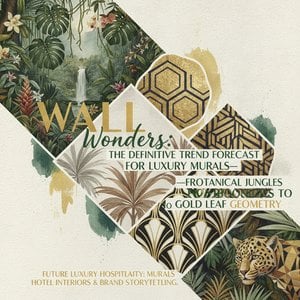
Elevate your hospitality projects with our expert trend forecast on luxury murals. From biophilic botanical jungles to opulent gold leaf geometry, discover how bespoke large-scale wall art and custom frescoes can transform hotel interiors into unforgettable architectural statements.

Discover the exquisite world of Art Nouveau. Explore the elegant fusion of nature and design through architectural masterpieces, organic forms, and the legendary masters of the Belle Époque. Immerse yourself in a journey of timeless sophistication and ornamental beauty.

Embark on a visual journey through the world's most radiant masterpieces. Discover how gold leaf, impasto textures, and gilded tones define luxury in fine art, from Byzantine icons to modern abstracts. Explore the eternal allure of gold in curated, museum-quality art collections.

Explore the profound impact of the Vienna Secession movement. Discover how visionaries like Gustav Klimt revolutionized modern art through symbolism, gold leaf, and bold ornamentation in this deep dive into the aesthetic revolution that redefined the visual landscape of Europe.

Embark on a sophisticated journey through the splendor of Austrian art. From Gustav Klimt’s golden masterpieces to the elegance of the Viennese Secession, discover the history and symbolism behind Europe's most iconic works for the discerning collector.


 미리보기
미리보기
 공유하기
공유하기 공유하기
공유하기
 상세 정보
상세 정보

 다운로드
다운로드
 유사 작품
유사 작품 X-레이
X-레이 슬라이드 쇼
 통계 정보
통계 정보 더 보기
더 보기









 유리 옵션은 110cm 미만 크기에서만 선택 가능합니다.


