
빠른 제작과 다양한 마감 옵션을 제공하는 박물관 품질의 지클레이 또는 캔버스 프린트. ( 손으로 그린 그림 구매 디지털 이미지로 전환)





























작품의 원본 비율을 유지하는 미리 설정된 크기 중에서 선택하세요.

특정 프레임이나 공간에 맞춰 직접 치수를 입력하실 수 있습니다. 선택하신 사이즈가 원본 이미지의 비율과 일치하지 않을 경우, 작품을 크롭(자르기)하거나 이미지를 대칭 또는 단색 채우기로 확장하여 제작합니다. 제작 시작 전, 최종 확인을 위해 디지털 목업이 전송됩니다.
화면상의 미리보기는 실제 크롭이나 확장 상태를 반영하지 않으므로, 최종 구도는 오직 목업을 통해서만 정확하게 확인하실 수 있습니다.
맞춤 사이즈 제작도 가능하지만, 원본 비율을 유지하기 위해서는 사전 정의된 목록에서 치수를 선택하시는 것을 권장합니다.

Angel with a Trumpet
복제본 크기
Gustav Klimt's “Angel with a Trumpet,” painted in 1885, isn’t merely a depiction of celestial figures; it’s a profound exploration of spirituality, anxiety, and the burgeoning Symbolist movement that was reshaping European art. Born into a family grappling with financial instability in Baumgarten near Vienna, Klimt's early life instilled within him an acute awareness of human experience – a sensitivity he would later translate into his intensely emotive paintings. This particular work emerged during a period of intense artistic experimentation for Klimt, as he navigated the complexities of the Vienna Secession and sought to break free from the rigid constraints of academic art. The painting’s genesis lies partly in the commission for theater decorations across the Austro-Hungarian Empire – a demanding yet fertile ground for his creative exploration, as evidenced by his extensive work at venues like the Reichenberg Municipal Theater and Peleș Castle.
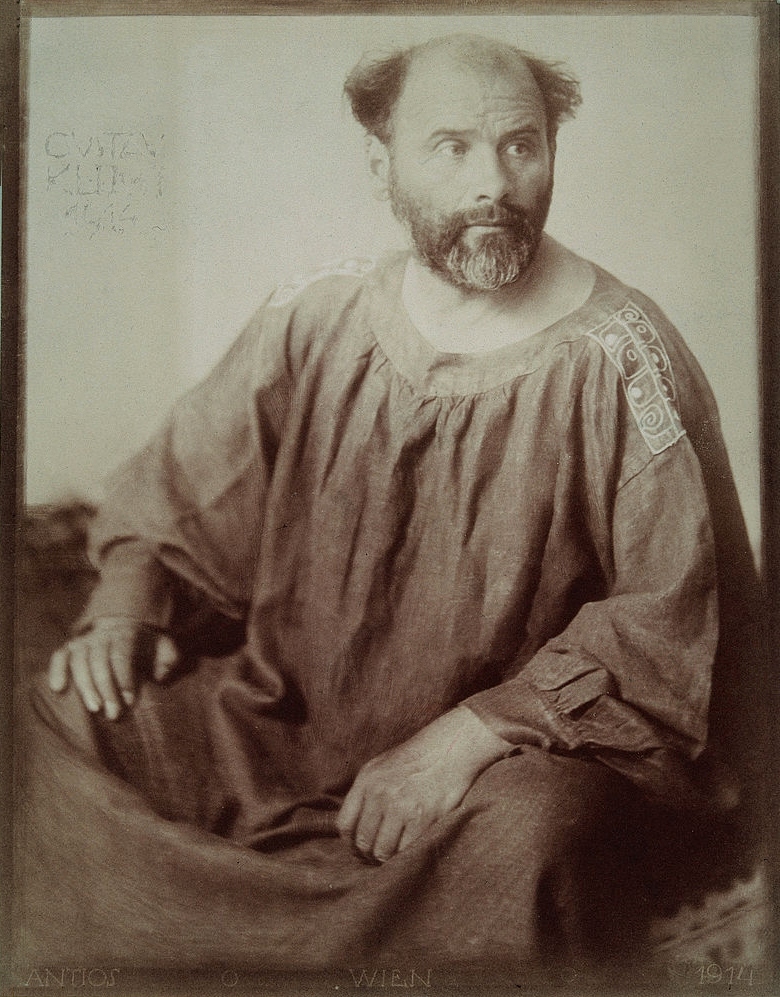
(Image: Gustav Klimt - Source: Wikimedia Commons)
Klimt’s signature style is immediately apparent in “Angel with a Trumpet.” The painting is dominated by rich, shimmering gold leaf – a deliberate homage to his father's profession as a gold engraver and a visual shorthand for divinity and transcendence. This opulent material contrasts dramatically with the deep blues and purples of the background, creating a sense of both grandeur and melancholy. Klimt masterfully employs flattened planes and decorative patterns, characteristic of Art Nouveau, to create a stylized and almost dreamlike atmosphere. The figures themselves are rendered with elongated forms and simplified features, emphasizing their symbolic roles rather than realistic representation. Notice particularly the intricate detailing in the angel’s robe – a testament to Klimt's meticulous technique and his fascination with texture and surface.
The use of tempera on canvas is crucial to understanding the painting’s luminous quality. Tempera, when applied thinly and layered with gold leaf, produces an unparalleled sheen and depth, contributing significantly to the work’s ethereal appearance. Klimt's deliberate choice of medium elevates the image beyond a simple depiction, transforming it into a shimmering embodiment of spiritual contemplation.
The scene is fraught with symbolic weight. The central angel, cradling another in its arms, evokes themes of protection, vulnerability, and perhaps even sacrifice. The sleeping figure beneath suggests a state of dormancy or awaiting judgment – a potent visual metaphor for humanity’s spiritual condition. The trumpet itself, held aloft by the primary angel, is traditionally associated with the apocalypse and divine proclamation. However, Klimt subtly subverts this expectation; the scene isn't one of triumphant fanfare but rather of quiet contemplation and underlying anxiety. The bird in the upper right corner—a recurring motif in Klimt’s work—could represent both hope and foreboding, a fleeting glimpse of beauty amidst an uncertain future.
The painting reflects the broader anxieties of the late 19th century – a period marked by rapid industrialization, social upheaval, and a growing sense of spiritual disillusionment. Klimt’s work captures this mood with remarkable sensitivity, offering a visual meditation on mortality, faith, and the search for meaning in a rapidly changing world.
WahooArt offers meticulously crafted hand-painted reproductions of “Angel with a Trumpet,” allowing art lovers to experience Klimt’s masterpiece in stunning detail. Our skilled artisans replicate the painting's rich textures, shimmering gold leaf, and evocative symbolism with unparalleled accuracy. Whether you are seeking an authentic piece for your home or office, or simply desire a high-quality print that captures the essence of this iconic work, our reproductions provide a beautiful and enduring tribute to Gustav Klimt’s genius. Explore our collection today and bring the ethereal beauty of “Angel with a Trumpet” into your space.


1862 - 1918 , 오스트리아

Explore the profound impact of the Vienna Secession movement. Discover how visionaries like Gustav Klimt revolutionized modern art through symbolism, gold leaf, and bold ornamentation in this deep dive into the aesthetic revolution that redefined the visual landscape of Europe.
Embark on a sophisticated journey through Austrian art history. Explore the golden brilliance of Gustav Klimt and the elegance of the Vienna Secession through an expert lens, celebrating the enduring soul of Central European masterpieces.
Explore the profound beauty of angelic figures in art history. From Renaissance masterpieces to celestial symbolism, our expert guide offers a sophisticated journey through the divine imagery of the Old Masters for discerning collectors and art enthusiasts.

Discover the exquisite world of Art Nouveau. Explore the elegant fusion of nature and design through architectural masterpieces, organic forms, and the legendary masters of the Belle Époque. Immerse yourself in a journey of timeless sophistication and ornamental beauty.

Explore the imperial grandeur of Vienna through art history. Discover the architectural mastery of Otto Wagner and the elegance of the Secessionist movement in this sophisticated guide to Austria's timeless aesthetic legacy.


 미리보기
미리보기
 공유하기
공유하기 공유하기
공유하기
 상세 정보
상세 정보 가이드 보기

 다운로드
다운로드
 유사 작품
유사 작품 X-레이
X-레이 슬라이드 쇼
 통계 정보
통계 정보

 더 보기
더 보기









 유리 옵션은 110cm 미만 크기에서만 선택 가능합니다.


