
 TemperaWallArtArt Nouveau
 1918Modern
 128.0 x 128.0 cm
원하는 크기와 액자로 주문 제작되는, 작가들이 직접 캔버스에 손으로 그린 유화 작품입니다. ( 프린트 판매로 전환 디지털 이미지로 전환)





























작품의 원본 비율을 유지하는 미리 설정된 크기 중에서 선택하세요.

특정 프레임이나 공간에 맞도록 직접 크기를 입력할 수 있습니다. 선택하신 크기가 원본 이미지의 비율과 일치하지 않는 경우, 작품을 자르거나 추가적인 손으로 그린 요소를 사용하여 그림을 확장합니다. 제작 시작 전 승인을 위해 디지털 목업을 보내드립니다.
화면 미리 보기는 실제 자르기 또는 확장을 반영하지 않습니다. 최종 구성은 목업을 통해서만 정확하게 확인하실 수 있습니다.
맞춤 크기 제작도 가능하지만, 원본 비율을 유지하기 위해 사전 정의된 목록에서 크기를 선택하시는 것을 권장합니다.

Amalie Zuckerkandl
복제본 크기
In the twilight of the Austro-Hungarian Empire, Gustav Klimt captured a moment of profound grace in his 1918 masterpiece, Amalie Zuckerkandl. This portrait is far more than a mere likeness of a prominent socialite; it is a window into the soul of the Belle Époque, a period where Vienna pulsed with intellectual fervor and artistic rebellion. Amalie, the daughter of the renowned playwright Sigmund Schlesinger, emerges from the canvas not just as a subject, but as an emblem of refined beauty and quiet strength. As she gazes toward the viewer, there is an intimate connection established—a psychological depth that invites collectors and admirers alike to linger within her presence. For those seeking to infuse a space with sophistication, this work offers a timeless allure that transcends the boundaries of mere decoration.
The composition is a breathtaking marriage of realism and the ethereal ornamentation characteristic of the Art Nouveau movement. Klimt, a master of the Vienna Secession, utilizes a palette that balances the grounded reality of the subject with a dreamlike, decorative atmosphere. The lush, verdant background provides a striking contrast to the delicate features of Amalie, while the masterful application of texture creates a sense of tactile luxury. To possess a reproduction of this work is to bring into one's home the very essence of Klimt’s ability to blend the tangible world with the ornamental sublime.
Every element within Amalie Zuckerkandl serves a narrative purpose, woven together through Klimt’s signature use of symbolic motifs. The painting is alive with organic forms that whisper of life, growth, and the passage of time. A prominent floral arrangement, featuring the purity of lilies, anchors the scene in traditional ideals of femininity and innocence. Above the subject, two birds take flight, their presence acting as a poignant metaphor for freedom and the soaring aspirations of women during an era of significant societal transition. These delicate details transform the portrait from a static image into a living, breathing allegory.
Furthermore, the inclusion of subtle objects—such as the clock that hints at the relentless march of time—adds a layer of melancholic beauty to the composition. This interplay between the ephemeral nature of life and the enduring power of art is what makes Klimt’s work so emotionally resonant. For interior designers, this painting serves as a powerful focal point, capable of anchoring a room with its complex layers of meaning and its ability to spark conversation through its rich, symbolic vocabulary.
The technical brilliance of Amalie Zuckerkandl lies in Klimt’s ability to manipulate light and texture. Drawing from his early training in gold engraving—a craft mastered by his father—Klimt employs a technique that achieves a remarkable luminosity. The layering of pigments creates a depth that seems to glow from within, a quality that is particularly captivating in high-quality hand-painted reproductions. The artist’s command over the contrast between the smooth, realistic rendering of Amalie’s skin and the intricate, patterned elements of her surroundings creates a visual rhythm that is both soothing and stimulating.
As we look back from the modern era, this portrait remains a cornerstone of art history, representing the pinnacle of Klimt's late period. It embodies a sense of nostalgic grandeur that is incredibly sought after in contemporary luxury decor. Whether placed in a curated gallery setting or as a centerpiece in a private study, a reproduction of this masterpiece brings with it the prestige of the Vienna Secession and the enduring magic of a golden age long passed.


1862 - 1918 , 오스트리아

Explore the profound impact of the Vienna Secession movement. Discover how visionaries like Gustav Klimt revolutionized modern art through symbolism, gold leaf, and bold ornamentation in this deep dive into the aesthetic revolution that redefined the visual landscape of Europe.

Discover the breathtaking allure of Art Deco. Explore the era's iconic geometry, legendary designers like Erté, and timeless glamour. Perfect for discerning collectors seeking to infuse their spaces with sophisticated modernist elegance and historical prestige.

Embark on a visual journey through the world's most radiant masterpieces. Discover how gold leaf, impasto textures, and gilded tones define luxury in fine art, from Byzantine icons to modern abstracts. Explore the eternal allure of gold in curated, museum-quality art collections.
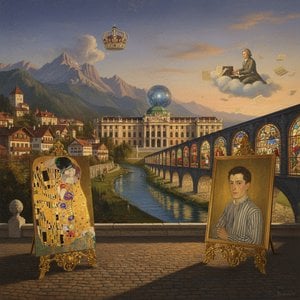
Embark on a sophisticated journey through Austrian art history. Explore the golden brilliance of Gustav Klimt and the elegance of the Vienna Secession through an expert lens, celebrating the enduring soul of Central European masterpieces.

Embark on a sophisticated journey through the splendor of Austrian art. From Gustav Klimt’s golden masterpieces to the elegance of the Viennese Secession, discover the history and symbolism behind Europe's most iconic works for the discerning collector.


 미리보기
미리보기
 공유하기
공유하기 공유하기
공유하기
 상세 정보
상세 정보 가이드 보기

 다운로드
다운로드
 유사 작품
유사 작품 X-레이
X-레이 슬라이드 쇼
 통계 정보
통계 정보 더 보기
더 보기









 유리 옵션은 110cm 미만 크기에서만 선택 가능합니다.


