미리보기 AR 미리보기 손으로 그린 그림 구매 디지털 이미지로 전환 공유하기
상세 정보 가이드 보기 즐겨찾기에 추가 다운로드 유사 작품 X-레이 슬라이드 쇼 통계 정보

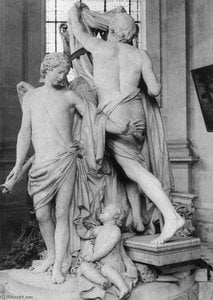
다우핀 기념비

프랑스 조각가 기욤 드 쿠스트의 다우핀 기념비는 센 대성당에 위치한 작품으로, 시간과 결혼을 상징하는 인물들이 등장하며 프랑스 로코코 미술 양식의 특징을 보여줍니다. 고전적인 아름다움을 담은 예술품입니다.

Guillaume Coustou II (1716-1777): French sculptor bridging Baroque & Neoclassical styles. Known for 'Horse Tamers' & the Monument to the Dauphin, his dramatic works influenced 18th-century art.

지클레 / 아트 프린트

빠른 제작과 다양한 마감 옵션을 제공하는 박물관 품질의 지클레이 또는 캔버스 프린트. ( 손으로 그린 그림 구매 디지털 이미지로 전환)

P118B $10
P118H $10
P118W $10
P438Z $10
P508JH $12
P508YH $12
P805H $10
P805Z $10
P919BZ $10
P919G $10
P919XJ $10
P959ZH $10
P968JZ $12
W106C $8
W218G $10
W218JH $8
W218Y $10
W307PJ $10
W316G $10
W316PJ $8
W316Y $10
W398PJ $8
W4111J $10
W500HY $15
W500JH $15
W692G $12
W849H $8
W940BG $15
W953PJ $8

표준 규격
맞춤형
CM
INCH

작품의 원본 비율을 유지하는 미리 설정된 크기 중에서 선택하세요.

가로 너비
세로 길이

특정 프레임이나 공간에 맞춰 직접 치수를 입력하실 수 있습니다. 선택하신 사이즈가 원본 이미지의 비율과 일치하지 않을 경우, 작품을 크롭(자르기)하거나 이미지를 대칭 또는 단색 채우기로 확장하여 제작합니다. 제작 시작 전, 최종 확인을 위해 디지털 목업이 전송됩니다.
화면상의 미리보기는 실제 크롭이나 확장 상태를 반영하지 않으므로, 최종 구도는 오직 목업을 통해서만 정확하게 확인하실 수 있습니다.
맞춤 사이즈 제작도 가능하지만, 원본 비율을 유지하기 위해서는 사전 정의된 목록에서 치수를 선택하시는 것을 권장합니다.

전 세계 배송()은 일반적인 4~5주의 소요 기간 대신 2주 이내에 완료됩니다. (24 9월)

why_choose_icon
전 세계 무료 특급 배송
why_choose_icon
프리미엄 린넨 캔버스
why_choose_icon
전체 배송 보험 보장
why_choose_icon
관세 환불 보장
why_choose_icon
실제 색상 일치 보장
why_choose_icon
100일 반품 정책 (결함 발생 시에만 적용)
why_choose_icon
100% 환불 보장
why_choose_icon
다량 구매 할인 혜택

총 합계 금액

$ 68

reproduction

다우핀 기념비

지클레 / 아트 프린트

복제본 크기

-

최종 결제 금액

$ 68

작품 정보 요약

  • Movement: Neoclassicism
  • Medium: Marble
  • Influences: Classical Sculpture
  • Subject or theme: Honor to the Dauphin
  • Notable elements or techniques: Allegorical figures, Catafalque
  • Location: Cathedral of Sens
  • Title: Monument to the Dauphin

예술 상식 퀴즈

각 질문의 정답은 하나뿐입니다.

질문 1:
What is the title of this sculpture?
질문 2:
Who created this artwork?
질문 3:
In what cathedral is the sculpture located?
질문 4:
What artistic style does this monument exemplify?
질문 5:
What is a notable characteristic of the sculpture's design, distinguishing it from other tombs of its time?

거대한 예술 작품 분석: 프랑스 조각가 기욤 드 쿠스트의 다우핀 기념비

다우핀 기념비는 프랑스 조각가 기욤 드 쿠스트가 제작한 뛰어난 예술 작품으로, 센 대성당에 위치하고 있으며 1777년에 완공되었습니다. 이 기둥은 단순한 석조 건축물을 넘어 프랑스 미술사에서 중요한 전환점을 의미하며, 네오클래식 양식의 새로운 지평을 열었습니다. 본 기사는 기념비의 역사적 배경과 예술적 특징들을 심층적으로 분석하고 있으며, 작품이 전달하는 감동적인 메시지를 탐구합니다.

역사적 맥락과 제작 과정

기욤 드 쿠스트는 루이 XV 왕이 자신의 아들 다우핀 공자를 기리기 위해 주문한 작품입니다. 다우핀 공자는 루이 XV의 후계자였으며 그의 죽음은 프랑스 왕가에 깊은 슬픔을 안겨주었습니다. 쿠스트는 뛰어난 조각 기술로 인정받았으며, 로마 학살에서 돌아온 후 네오클래식 양식을 받아들여 센 대성당에 세운 기념비 프로젝트를 이끌었습니다. 특히 쿠스트는 당시 새로운 장례 예술 방식인 카타팔크 형식을 도입하여 프랑스 미술계에 혁신적인 변화를 가져왔습니다. 제작 과정은 정교한 석조 기술과 뛰어난 예술적 감각을 요구했으며, 작품의 완성은 센 대성당 건축가 안젤 Jacques 가브리엘과 협력하여 이루어졌습니다.

네오클래식 양식의 특징과 상징적 의미

다우핀 기념비는 네오클래식 양식의 대표적인 작품으로, 고대 그리스와 로마 예술에서 영감을 받은 엄격하고 균형 잡힌 형태를 보여줍니다. 다우핀 공자의 초상화가 부재하며 시간과 결혼이라는 두 가지 상징적 인물을 등장시켜 슬픔과 애도의 감정을 표현했습니다. 기념비 중앙에 위치한 화려한 원통은 죽음의 유령을 상징하며, 주변으로 펼쳐진 드레이퍼리는 고대 신화 속 영웅들의 모습에서 비롯된 듯합니다. 또한 기둥 위에 세워진 크로스는 기독교적 믿음을 나타내며, 기념비 전체에 깊은 철학적인 의미를 담고 있습니다. 작품의 제작자는 쿠스트가 네오클래식 양식을 통해 고전 예술의 아름다움을 재현하고자 노력했으며, 이는 프랑스 미술사에서 중요한 이념적 변화를 상징합니다.

예술적 기술과 감동적인 표현

기욤 드 쿠스트는 뛰어난 석조 기술로 다우핀 기념비를 완벽하게 구현했습니다. 그는 시간과 결혼이라는 두 인물을 섬세하게 조각하여 작품의 전체적인 균형과 아름다움을 살렸습니다. 특히 기념비 중앙에 위치한 원통은 정교한 곡선으로 이루어져 있으며, 이는 고대 건축물에서 자주 사용되는 기술입니다. 쿠스트는 또한 석조 재료를 사용하여 기념비의 무게감과 안정감을 높였으며, 작품 전체에 깊은 감동적인 표현력을 전달했습니다. 다우핀 기념비는 네오클래식 양식의 예술적 정수를 보여주는 동시에 기욤 드 쿠스트의 뛰어난 조각 실력과 예술적 감각을 증명하는 작품입니다. 센 대성당에서 방문객들에게 영감을 불어넣고 프랑스 미술사 역사를 새롭게 기록한 다우핀 기념비는 진정한 예술 작품의 가치를 보여줍니다.
  • 기욤 드 쿠스트의 생애와 교육 배경
  • 네오클래식 양식의 특징과 역사적 의미
  • 다우핀 기념비의 상징적 요소와 예술적 기술
  • 센 대성당에서의 작품 감상 경험

작가 약력

Guillaume II Coustou: Life and Legacy

Early Life and Training

  • Guillaume Coustou II was born in Paris, France, in 1716. He came from a distinguished family of sculptors – the son of Guillaume Coustou I and nephew of Nicolas Coustou.
  • His artistic training began within the family atelier, benefiting directly from the expertise of his father and uncle. This familial foundation instilled in him a strong understanding of sculptural techniques and traditions.
  • In 1736, he won the prestigious Prix de Rome, granting him the opportunity to study at the French Academy in Rome until 1739. This period was crucial for his artistic development, exposing him to classical sculpture and Italian Baroque styles.

Artistic Development and Style

  • Upon returning to Paris, Coustou seamlessly continued his father’s work, most notably completing the monumental Horse Tamers (Chevaux de Marly), a commission initially undertaken by Guillaume I but left unfinished due to illness.
  • His style evolved throughout his career, demonstrating a transition from the late Baroque exuberance of his early works to the more restrained and emotionally evocative forms of emerging Neoclassicism.
  • He skillfully blended dramatic narrative with classical ideals, creating sculptures that were both visually impressive and intellectually engaging.

Major Achievements and Notable Works

  • Horse Tamers (Chevaux de Marly): Perhaps his most famous achievement, these dynamic bronze sculptures depict horsemen controlling powerful steeds, embodying strength and mastery.
  • Monument to the Dauphin: This elaborate sculptural ensemble for Sens Cathedral was a significant commission that showcased Coustou’s ability to handle complex iconography and large-scale projects. The design's detailed imagery was developed in collaboration with Charles-Nicolas Cochin.
  • Vulcan: His morceau de réception (admission piece) for the Académie Royale de Peinture et de Sculpture, a seated Vulcan, exemplifies his Baroque sensibilities.
  • Ganymede: This sculpture demonstrates Coustou’s embrace of early Neoclassical aesthetics, drawing inspiration from Roman sculptures like those of Antinous.

Influences and Legacy

  • Coustou was profoundly influenced by his father and uncle, inheriting their technical skill and artistic sensibility. His time in Rome exposed him to the works of classical sculptors and Italian Baroque masters.
  • He, in turn, influenced a generation of younger sculptors, including Claude Dejoux, Pierre Julien, and the Danish sculptor Johannes Widewelt, who studied under him.
  • His work represents an important bridge between the Baroque and Neoclassical periods in French sculpture, contributing to the evolving artistic landscape of 18th-century Europe.

Historical Significance

  • Guillaume II Coustou played a vital role in shaping the aesthetic direction of French sculpture during a period of significant artistic change.
  • His ability to adapt his style and embrace new influences allowed him to maintain a successful career under different patronage systems.
  • His sculptures continue to be admired for their technical virtuosity, dramatic power, and historical significance, solidifying his place as a notable figure in the history of French art.
guillaume ii coustou

guillaume ii coustou

1716 - 1777 , France

주요 정보

  • Birth Date: 1716
  • Birth Place: Paris, France
  • Death Date: 1777
  • Influenced By:
    • Guillaume Coustou I
    • Nicolas Coustou
  • Movement:
    • Baroque
    • Neoclassicism
  • Name: Guillaume II Coustou
  • Nationality: French
  • Notable Works:
    • Horse Tamers (Chevaux de Marly)
    • Monument to the Dauphin
    • Vulcan
    • Ganymede
테마, 스타일 및 특징별로 분류된 작품들을 만나보세요.