

빠른 제작과 다양한 마감 옵션을 제공하는 박물관 수준의 지클레이 및 캔버스 프린트. ( 수작업 채색 복제본 주문하기 디지털 이미지로 전환)





























작품의 원본 비율을 그대로 유지하는 프리셋 사이즈 중에서 선택해 보세요.

액자나 벽면 크기에 맞춰 필요한 가로와 세로 길이를 입력해 주세요. 프린트는 원본 이미지보다 크게 제작할 수 없으며 오직 자르는 것만 가능하므로, 비율이 다른 사이즈를 선택할 경우 이미지의 일부가 잘려 나갈 수 있습니다. 인쇄 작업에 들어가기 전, 최종 확인을 위해 디지털 목업을 보내드립니다. 이 페이지에 표시된 이미지는 실제 잘리는 영역을 나타내지 않으며, 오직 목업을 통해서만 정확한 확인이 가능합니다.
Self Portrait aged - (24)
복제본 크기
네덜란드 회화의 황금기를 떠올릴 때 울려 퍼지는 이름, 거버트 테우니스 플링크는 단순한 초상화가 그 이상이었습니다. 그는 렘브란트의 혁신적인 화풍과 1월 17세기 암스테르담에서 피어나던 새로운 예술적 지평을 이어주는 가교 역할을 했습니다. 1615년 독일과 네덜란드의 문화적 영향이 공존하던 클레베에서 태어난 플링크의 어린 시절은 예술과는 거리가 먼 길을 예고하는 듯했습니다. 부유한 포목 상인이었던 그의 아버지는 아들이 가업을 이어가길 바랐으나, 운명은 예상치 못한 방향으로 흘러갔습니다. 젊은 플링크의 타고난 예술적 재능을 알아본 저명한 메노나이트 설교사이자 화가인 람베르트 야콥츠와의 만남이 결정적이었습니다. 이 중대한 조우는 플링크를 리우워던으로 이끌었고, 그곳에서 야콥츠 밑에서 본격적인 훈련을 시작하며 훗날 그의 초기 포부를 훨씬 뛰어넘는 위대한 예술가로 성장할 토대를 마련했습니다.
1633년 암스테르담으로의 이주는 그의 인생에 전환점이 되었습니다. 그곳에서 플링크는 렘브란트 판 레인의 화실에 입문하게 되었고, 이 관계는 그의 예술적 발전에 깊은 자취를 남겼습니다. 렘브lambrandt의 영향력은 플링크의 작품 전반, 특히 초기작에서 부정할 수 없을 만큼 뚜렷하게 나타납니다. 극적인 조명, 섬세한 표정, 그리고 명암법(chiaroscuro)의 숙련된 활용이 그 특징입니다. 그러나 연극적 요소를 즐겼던 렘브란트와 달리, 플링크는 점차 더욱 정제되고 우아한 스타일을 구축해 나갔습니다. 그는 루벤스풍의 역동성과 한층 높아진 사실주의적 요소를 결합했습니다. 이러한 진화는 “이삭이 야곱을 축복하는 장면”(1638)과 같은 작품에서 극명하게 드러나는데, 화면의 균형미와 인물들의 정서적 깊이는 렘브란트의 직접적인 영향력으로부터 벗어나 자신만의 독자적인 영역을 구축했음을 보여줍니다.
플링크는 부유한 상인, 시의 관리, 그리고 메노나이트 공동체의 저명한 인사들을 고객으로 맞이하며 암스테르담에서 가장 각광받는 초상화가로 빠르게 자리매김했습니다. 그의 초상화는 단순히 외형을 재현하는 데 그치지 않았습니다. 그것은 사회적 메시지를 담아내고 대상의 지위와 열망을 투영한, 정교하게 설계된 서사였습니다. “아마도 아우구스티인 텥보가르트(1577-1655)로 추정되는 남성의 초상”은 이러한 접근법의 전형을 보여줍니다. 노년의 모델을 놀라운 섬세함으로 그려낸 이 작품은 외적인 모습뿐만 아니라 얼굴에 새겨진 세월의 무게까지 포착해 냈습니다. 풍성한 질감의 직물, 배경의 정교한 디테일, 그리고 절제된 몸짓은 단순한 닮음을 넘어 인물의 삶과 성품을 들여다보게 하는 힘을 발휘합니다.
또한 “암스테르담 제18구역의 장교 및 시민 수비대...”에서 볼 수 있듯이, 시민 수비대를 위한 의뢰 작업은 그의 명성을 더욱 공고히 했습니다. 이 작품들은 단순한 군인의 기록이 아니라, 세밀한 묘사와 사회적 역동성에 대한 예리한 통찰을 통해 시민적 자부심을 찬란하게 기념하는 예술입니다. 여기서도 렘브란트의 영향은 생생하게 느껴지는데, 특히 역동적인 구도와 빛과 그림자를 이용해 움직임과 드라마를 만들어내는 방식이 그러합니다. 이 그림은 수비대의 외형뿐만 아니라 암스테르담의 번영과 안정을 지키는 파수꾼으로서의 그들의 역할을 상으로 포착하고 있습니다.
초상화로 명성을 떨쳤음에도 불구하고, 플링크의 예술적 스펙트럼은 정형화된 재현의 틀을 훨씬 넘어 확장되었습니다. 그는 17세기 암스테르담의 가정 생활을 들여다볼 수 있는 창 역할을 하는 일련의 매혹적인 풍속화들을 남겼습니다. 일상의 친밀한 순간들을 담아낸 이 작품들은 사실주의적 특징과 더불어 인간 상호작용의 미묘한 차이를 포착해 내며, 삶의 기쁨과 고난을 동시에 드러냅니다. 또한 “목자들에게 그리스도의 탄생을 알리는 천사들”과 같은 종교화는 구도, 색채, 그리고 상징주의에 대한 거장의 통제력을 보여주며, 시각적으로 아름다울 뿐만 아니라 정서적 울림을 주는 장면들을 창조해 냈습니다.
거버트 테우니스 플링크의 예술 여정은 약 40년에 걸쳐 이어졌으며, 그 기간 동안 탄생한 인상적인 작품들은 오늘날까지도 관객들을 매료시키고 있습니다. 렘브란트 밑에서의 초기 도제 시절부터 자신만의 독창적인 양식을 완성하기까지의 예술적 발전 과정은 네덜란드 황금기의 역동적인 예술적 기류를 그대로 반영합니다. 그는 당대 가장 뛰어난 초상화가이자 풍속화가로서 후대의 수많은 예술가에게 영감을 주며 영원한 유산을 남겼습니다. 그의 작품들은 현재 암스테르담의 국립미술관(Rijksmuseum)을 포함하여 전 세계 유수의 박물관에 소장되어 있으며, 이는 미술사에서 그가 남긴 불멸의 공헌을 증명하고 있습니다.

1615 - 1660 , 독일

Explore the Dutch Golden Age of painting! Discover key artists like Vermeer & ter Borch, their innovative techniques, and the rich cultural context behind these Baroque masterpieces. Learn about collecting & appreciating this iconic art period.

Journey through the Golden Age with our guide to the Top 10 Dutch Baroque masterpieces! Explore iconic paintings by Rembrandt, Vermeer & Frans Hals. Find museum-quality art reproductions and elevate your home decor at WahooArt.com.

Explore the dramatic mastery of the Dutch Baroque era. Discover how masters like Rembrandt used chiaroscuro to transform everyday life into timeless art. An expert guide for collectors and enthusiasts seeking to understand the profound interplay of light and shadow.

Explore the breathtaking drama of 17th-century Baroque art. Our expert guide decodes the use of chiaroscuro, emotional intensity, and historical grandeur to help you appreciate and curate timeless masterpieces for your collection.
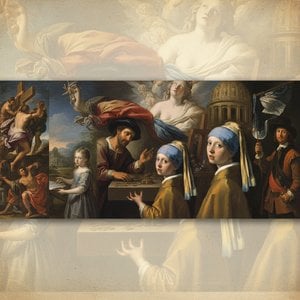
화려함과 극적인 표현이 압권! 바로크 미술을 대표하는 10대 걸작의 숨겨진 이야기를 만나보세요. 베르니니, 루벤스 등 거장의 작품부터 바로크 색감, 예술적 기법까지 – WahooArt.com에서 명품 복제 & 인테리어 영감을 얻으세요! 지금 바로 컬렉션을 탐험해보세요.
 미리보기
미리보기
 공유하기
공유하기 공유하기
공유하기
 상세 정보
상세 정보 가이드 보기

 다운로드
다운로드
 유사 작품 더 보기
 X-레이
X-레이 슬라이드 쇼 보기
 질의응답
질의응답
 통계 정보
통계 정보
 더 보기
더 보기









 유리 옵션은 110cm 미만 크기에서만 선택 가능합니다.


