
x


빠른 제작과 다양한 마감 옵션을 제공하는 박물관 품질의 지클레이 또는 캔버스 프린트. ( 손으로 그린 그림 구매 이미지 구매)
작품의 원본 비율을 유지하는 미리 설정된 크기 중에서 선택하세요.

특정 프레임이나 공간에 맞춰 직접 치수를 입력하실 수 있습니다. 선택하신 사이즈가 원본 이미지의 비율과 일치하지 않을 경우, 작품을 크롭(자르기)하거나 이미지를 대칭 또는 단색 채우기로 확장하여 제작합니다. 제작 시작 전, 최종 확인을 위해 디지털 목업이 전송됩니다.
화면상의 미리보기는 실제 크롭이나 확장 상태를 반영하지 않으므로, 최종 구도는 오직 목업을 통해서만 정확하게 확인하실 수 있습니다.
맞춤 사이즈 제작도 가능하지만, 원본 비율을 유지하기 위해서는 사전 정의된 목록에서 치수를 선택하시는 것을 권장합니다.

Untitled (479)
복제본 크기

Gottfried Helnwein stands as a singular, haunting figure in the landscape of contemporary art—an Austrian-Irish master whose unsettling visions have cemented his reputation for confronting the most uncomfortable truths of human psychology and history. Born in Vienna in 1948, Helnwein’s formative years were shaped by the long, lingering shadows of the Third Reich. Growing up in a city where the scent of death and the echoes of war still permeated the air, he developed an artistic lens that is both hyperrealistic and deeply symbolic, capable of capturing the profound vulnerability of the human condition. His work does not merely seek to depict reality; it seeks to expose the psychological scars left by societal trauma, often using the image of the child—wounded, innocent, yet bearing the weight of history—as his most potent metaphor.
His journey began at the prestigious Academy of Fine Arts in Vienna, where his prodigious talent earned him the Meisterklasse Prize and recognition from influential figures such as Cardinal König. In those early years, Helnwein’s explorations were marked by evocative watercolor paintings and experimental performances that challenged the boundaries of public space. These initial endeavors established a core thematic preoccupation: the exploration of innocence under siege. While his technical mastery allowed him to achieve a level of photorealism that can be almost unnervingly lifelike, it is the emotional depth and the deliberate use of darkness that truly distinguish his oeuvre. He possesses a rare ability to blend the clinical precision of hyperrealism with a surreal, dreamlike atmosphere that forces the viewer into a state of shock recognition.
The brilliance of Helnwein’s work lies in his refusal to look away from the taboo. His canvases frequently grapple with the heavy legacies of the Holocaust and the enduring impact of political violence on collective memory. Through a diverse range of media—including painting, photography, sculpture, and installation art—he constructs narratives that are as much about sociopolitical commentary as they are about individual suffering. One might observe how he masterfully reworks historical imagery; for instance, in his striking work Epiphany (Adoration of the Magi), he subverts a traditional religious theme by placing a Madonna-like figure within the sinister context of Nazi propaganda, effectively bridging the gap between sacred iconography and historical atrocity.
Beyond the heavy themes of war and genocide, Helnwein’s work often touches upon the corruption of pop culture and the loss of childhood sanctity. He has famously utilized figures from the world of animation, such as a malevolent Mickey Mouse, to critique the way mass media can mask or even facilitate deeper societal anxieties. This intersection of high art and popular imagery creates a jarring tension that is central to his aesthetic. His versatility is further evidenced by his collaborations outside the traditional gallery space, ranging from designing theatrical sets for major opera houses like the Staatsoper Hamburg to creating provocative visual identities for iconic rock musicians such as the Scorpions and Rammstein.
The historical significance of Gottfried Helnwein is measured not only by his technical achievements but by the profound dialogues his work continues to provoke. His exhibitions have become cultural milestones, often breaking attendance records; notably, his 2013 retrospective at the Albertina Museum in Vienna drew over 250,000 visitors, a testament to the universal resonance of his themes. Whether he is installing large-scale works in sacred spaces like St. Stephen's Cathedral or collaborating with contemporary icons like Marilyn Manson, Helnwein remains a provocateur who uses the medium of art to strip away the veneers of civilization.
To engage with a Helnwein piece is to enter a space of intense psychological confrontation. His legacy is defined by several key pillars:
Ultimately, Gottfried Helnwein remains an artist of the threshold—standing between beauty and horror, innocence and experience, memory and oblivion. His work serves as a mirror held up to the darkest corners of the human soul, demanding that we acknowledge the wounds that history has inflicted upon us all.

1948 - , Austria
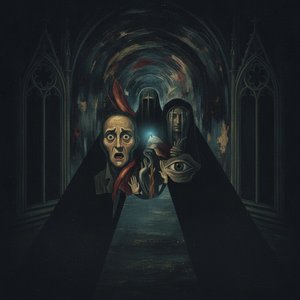
Explore the profound psychological depths of art history's most haunting masterpieces. From Munch’s visceral anxiety to Goya’s dark shadows, delve into works that capture the essence of fear. Discover premium, hand-painted oil reproductions and bespoke commissions for discerning collectors.

Delve into the visceral world of Surrealist Expressionism. Our expert guide for discerning collectors explores the intersection of subconscious imagery and raw emotion, offering profound insights into acquiring masterpieces that bridge art history and modern sentiment.

Embark on a visual journey through the most captivating Surrealist masterpieces. From Dalí's dreamscapes to symbolic enigmas, discover expert insights for the discerning collector looking to acquire museum-quality fine art reproductions and bespoke commissions.

Embark on a visual journey through the subconscious. Explore our expert guide to Surrealist landscapes, uncovering the dreamlike techniques of masters like Dalí to deepen your appreciation for this captivating art movement.

Explore the profound depths of Surrealism. Discover how masters like Dalí and Ernst unlocked the subconscious through dreamlike imagery, and learn to integrate these evocative, museum-quality masterpieces into your private collection with expert art historical insight.


최신 미술 뉴스, 특별 혜택 및 인테리어 아이디어를 가장 먼저 만나보세요.
프로젝트에 대해 알려주시면 저희 미술 전문가들이 맞춤형 아트 제안 3가지를 전달해 드립니다.
당신만을 위한 맞춤형 옵션 3가지를 무료로 추천해 드립니다!


 미리보기
미리보기
 공유하기
공유하기 공유하기
공유하기
 상세 정보
상세 정보

 다운로드
다운로드
 유사 작품
유사 작품 X-레이
X-레이 슬라이드 쇼
 더 보기
더 보기






































 유리 옵션은 110cm 미만 크기에서만 선택 가능합니다.


