

 Acrylic On CanvasWallArtDocumentary Street Photography
 194819th Century
 11.0 x 11.0 cm
 The Gordon Parks Foundation
빠른 제작과 다양한 마감 옵션을 선택할 수 있는 박물관 수준의 지클레이 및 캔버스 프린트. ( 수작업 채색 복제본 주문하기 디지털 이미지 판매 채널로 전환)





























작품의 원본 비율을 그대로 유지하는 프리셋 사이즈 중에서 선택해 보세요.

특정 프레임이나 공간에 맞춰 직접 치수를 입력하실 수 있습니다. 선택하신 사이즈가 원본 이미지의 비율과 일치하지 않을 경우, 작품을 크롭(자르기)하거나 이미지를 대칭 또는 단색 채우기로 확장하여 제작합니다. 제작 시작 전, 최종 확인을 위해 디지털 목업이 전송됩니다.
화면상의 미리보기는 실제 크롭이나 확장 상태를 반영하지 않으므로, 최종 구도는 오직 목업을 통해서만 정확하게 확인하실 수 있습니다.
맞춤 사이즈 제작도 가능하지만, 원본 비율을 유지하기 위해서는 사전 정의된 목록에서 치수를 선택하시는 것을 권장합니다.

Untitled, Harlem, New York
복제본 규격
Gordon Parks' "Untitled, Harlem, New York," a black and white photograph from 1948, isn’t merely a snapshot of a baseball game; it’s a carefully constructed observation of urban life, imbued with layers of social commentary and a poignant sense of distance. The image captures three men engaged in an impromptu game on a Harlem street, framed by the unexpected presence of a window or doorway – a device that immediately draws the viewer into the scene as a silent observer, much like those peering through the frame. This framing technique is crucial to understanding the photograph’s deeper meaning; it subtly suggests a commentary on voyeurism and the relationship between the observed and the observer, inviting us to contemplate our own role in witnessing everyday moments.
Parks' masterful use of monochrome elevates the image beyond simple documentation. The absence of color forces us to focus entirely on tonal variations – the subtle gradations of grey that define light and shadow, revealing textures and forms with remarkable clarity. The rough surface of the street, the polished metal of passing cars, and even the fabric of the players’ clothing are rendered with a tactile quality, grounding the scene in a tangible reality. The chalk markings on the ground, seemingly casual additions, provide a delightful counterpoint to the more structured lines of the architecture, hinting at a vibrant, lived-in environment.
Born in 1912 in Fort Scott, Kansas, Gordon Parks’ early life was profoundly shaped by segregation. This experience undoubtedly informed his artistic vision, leading him to become one of the first African Americans to work for both Life and Vogue magazines. “Untitled, Harlem, New York” is a prime example of his documentary style – a commitment to capturing authentic moments of everyday life without embellishment or judgment. The photograph offers a glimpse into the rhythms of Harlem in the 1940s, a period of significant social and cultural change for African Americans in America.
Parks’ work during this era often focused on portraying the realities faced by marginalized communities. While seemingly simple, the scene depicted here speaks volumes about resilience and community spirit. The casual game of baseball represents a brief respite from the challenges of urban life, a moment of shared joy and connection amidst the complexities of the city.
The photograph’s composition is remarkably dynamic, driven by strong diagonal lines created by the framing device. These lines intersect with horizontal elements – the street, the cars, and even the chalk markings – creating a sense of movement and visual tension. The figures in front of the frame, looking into the scene, further emphasize this layered perspective, inviting us to consider our own position as viewers.
Parks’ use of light is equally deliberate. It's diffused and natural, suggesting an overcast day or indirect sunlight, lending a timeless quality to the image. The soft shadows create a sense of intimacy while highlighting the textures of the scene. The careful manipulation of light and shadow contributes significantly to the photograph’s emotional impact, evoking a feeling of nostalgia and prompting reflection on the passage of time.
"Untitled, Harlem, New York" stands as a testament to Gordon Parks’ extraordinary talent for capturing the essence of human experience. It is more than just a photograph; it’s a window into a specific moment in American history and a poignant meditation on observation, perspective, and the complexities of urban life. Parks' work continues to resonate today, reminding us of the power of photography to document, interpret, and ultimately, connect us to the stories of those around us. Reproductions of this iconic image offer a valuable opportunity to experience Parks’ vision firsthand, bringing a touch of Harlem’s vibrant spirit into any space.

독학으로 예술의 길을 개척한 파크스는 사진작가로서 커리어를 시작하여, 마침내 라이프(Life)와 보그(Vogue) 잡지에서 활동한 최초의 아프리카계 미국인이 되었습니다. 1940년대 연방 정부 프로젝트를 위해 촬영한 가난한 미국인들의 상징적인 사진들은 그의 탁월한 기술과 예술적 헌신을 보여주는 위대한 증거로 남아 있습니다.
고든 파크스의 유산은 그가 남긴 경이로운 작품 세계를 넘어, 후대 아프리카계 미국인 예술가들이 나아갈 길을 닦았다는 점에서 더욱 깊은 의미를 지닙니다. 사진 저널리즘, 영화 제작, 그리고 음악에 기여한 그의 업적은 오늘날의 예술가들에게도 끊임없는 영감과 영향을 주고 있습니다.

1912 - 2006 , 미국

Explore the profound evolution of documentary photography through a cultural lens. From early social realism to modern visual narratives, discover how photographers have captured history, labor, and the human condition to redefine fine art.

Explore the profound artistry of black and white photography. From historical mastery to the interplay of light and shadow, discover how monochrome captures timeless emotion and form through a sophisticated lens of art history.
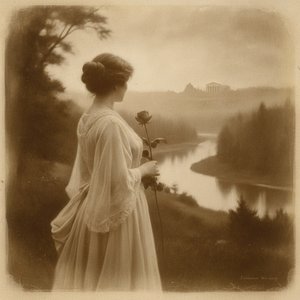
Explore the profound history of Pictorialism, the revolutionary movement that elevated photography to a fine art. Uncover how visionaries used painterly techniques and soft focus to transcend mere documentation, imbuing the lens with the emotional depth of classical masterpieces.

Explore the profound emotional depth of documentary photography art. Discover how collectors curate powerful historical narratives through museum-quality black and white prints and fine art reproductions that preserve humanity's most resilient moments.

Explore the profound evolution of contemporary photography through a connoisseur's lens. From monochrome mastery to digital innovation, discover how modern photographic works shape fine art collections and define our cultural legacy.

 실제 크기로 보기
 보내기
보내기 공유하기
공유하기
 상세 보기
상세 보기 가이드 보기

 이미지 다운로드
 유사 작품 더 보기
 X-레이
X-레이 슬라이드 쇼 보기
 통계 정보
통계 정보 상세 보기
상세 보기









 유리 옵션은 110cm 미만 크기에서만 선택 가능합니다.


