
빠른 제작과 다양한 마감 옵션을 제공하는 박물관 품질의 지클레이 또는 캔버스 프린트. ( 손으로 그린 그림 구매 디지털 이미지로 전환)





























작품의 원본 비율을 유지하는 미리 설정된 크기 중에서 선택하세요.

특정 프레임이나 공간에 맞춰 직접 치수를 입력하실 수 있습니다. 선택하신 사이즈가 원본 이미지의 비율과 일치하지 않을 경우, 작품을 크롭(자르기)하거나 이미지를 대칭 또는 단색 채우기로 확장하여 제작합니다. 제작 시작 전, 최종 확인을 위해 디지털 목업이 전송됩니다.
화면상의 미리보기는 실제 크롭이나 확장 상태를 반영하지 않으므로, 최종 구도는 오직 목업을 통해서만 정확하게 확인하실 수 있습니다.
맞춤 사이즈 제작도 가능하지만, 원본 비율을 유지하기 위해서는 사전 정의된 목록에서 치수를 선택하시는 것을 권장합니다.

The Scullery Maid
복제본 크기
In the grand tapestry of the Italian Baroque, where soaring ceilings and heroic deities often command the viewer's gaze, Giuseppe Maria Crespi’s “The Scullery Maid” offers a profound and intimate alternative. Painted around 1710, this masterpiece serves as a tender window into the domestic rhythms of Bolognese life. Rather than reaching for the heavens, Crespi directs our attention downward, to the humble, earthbound reality of a kitchen in motion. The scene captures a woman lost in the quiet rhythm of her labor, standing at a table cluttered with the honest tools of her trade. There is a palpable sense of presence in the room; through the arrangement of simple bowls, scattered bottles, and the warmth of a nearby oven, Crespi invites us to inhabit this space, making the viewer not merely an observer, but a silent witness to a private moment of daily existence.
The emotional resonance of the work lies in its ability to find dignity within the mundane. There is no grand drama here, only the steady, rhythmic pulse of life. For the modern collector or interior designer, this painting offers a unique psychological depth; it does not demand attention through spectacle, but earns it through a quiet, enduring grace. It is a piece that breathes life into a room, providing a sense of groundedness and historical soul that more flamboyant works often lack.
Crespi, famously known as “Lo Spagnuolo” due to his penchant for Spanish-inspired fashion, brought an unconventional spirit to the Bolognese School. In “The Scullery Maid,” his technical brilliance is most evident in his masterful command of chiaroscuro. He does not use light simply to illuminate, but to sculpt the atmosphere itself. The way the light falls across the woman’s hands and the surfaces of the kitchen implements creates a dramatic interplay between visibility and mystery. This technique pulls the subject out of the shadows, lending her a sculptural weight and a lifelike vitality that feels almost tactile.
His palette is a sophisticated study in restraint, utilizing muted, earthy tones that ground the composition in a tangible reality. These subtle hues—sepia, ochre, and deep umber—work in harmony to create a sense of warmth and aged texture. This deliberate lack of garish color ensures that the focus remains on the textures of the scene: the coolness of ceramic, the roughness of stone, and the soft fabric of the maid's attire. For those seeking to curate an environment of sophisticated elegance, the tonal balance of this work provides a perfect anchor, blending seamlessly with both classical and contemporary interior aesthetics.
To understand “The Scullery Maid” is to understand Crespi’s rebellion against the idealized traditions of his era. While his contemporaries were busy painting mythological legends, Crespi was finding the extraordinary within the ordinary. He pioneered a form of genre painting that prioritized psychological truth over academic perfection. This commitment to realism allows the painting to transcend its 18th-century origins; the woman’s focused expression and the lived-in clutter of her workspace are themes that remain universally relatable across centuries.
Owning a high-quality reproduction of this work is an opportunity to bring a piece of art history's most intimate revolution into one's personal collection. It is more than just a depiction of a kitchen; it is an invitation to appreciate the beauty in the overlooked and the sacredness of the everyday. Whether placed in a sunlit study or a sophisticated dining area, Crespi’s work serves as a constant reminder of the profound artistry found in the simplest of human endeavors.


1665 - 1747 , 이탈리아

Immerse yourself in the dramatic beauty of the Baroque era. From Caravaggio’s chiaroscuro to Rembrandt's mastery, explore 10 iconic works that defined an age. Find museum-quality art reproductions and curated decor inspiration at WahooArt.com. Discover all masterpieces on WahooArt.com.
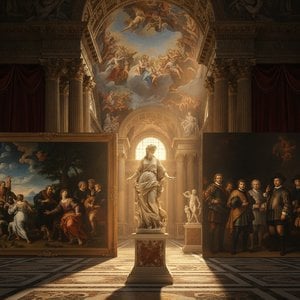
Step into the drama of the Baroque era. Explore 10 iconic masterpieces featuring breathtaking chiaroscuro and legendary artists. Find inspiration for your collection with museum-quality art reproductions at WahooArt.com. Discover all masterpieces on WahooArt.com


 미리보기
미리보기
 공유하기
공유하기 공유하기
공유하기
 상세 정보
상세 정보

 다운로드
다운로드
 유사 작품
유사 작품 X-레이
X-레이 슬라이드 쇼
 통계 정보
통계 정보


 더 보기
더 보기









 유리 옵션은 110cm 미만 크기에서만 선택 가능합니다.


