
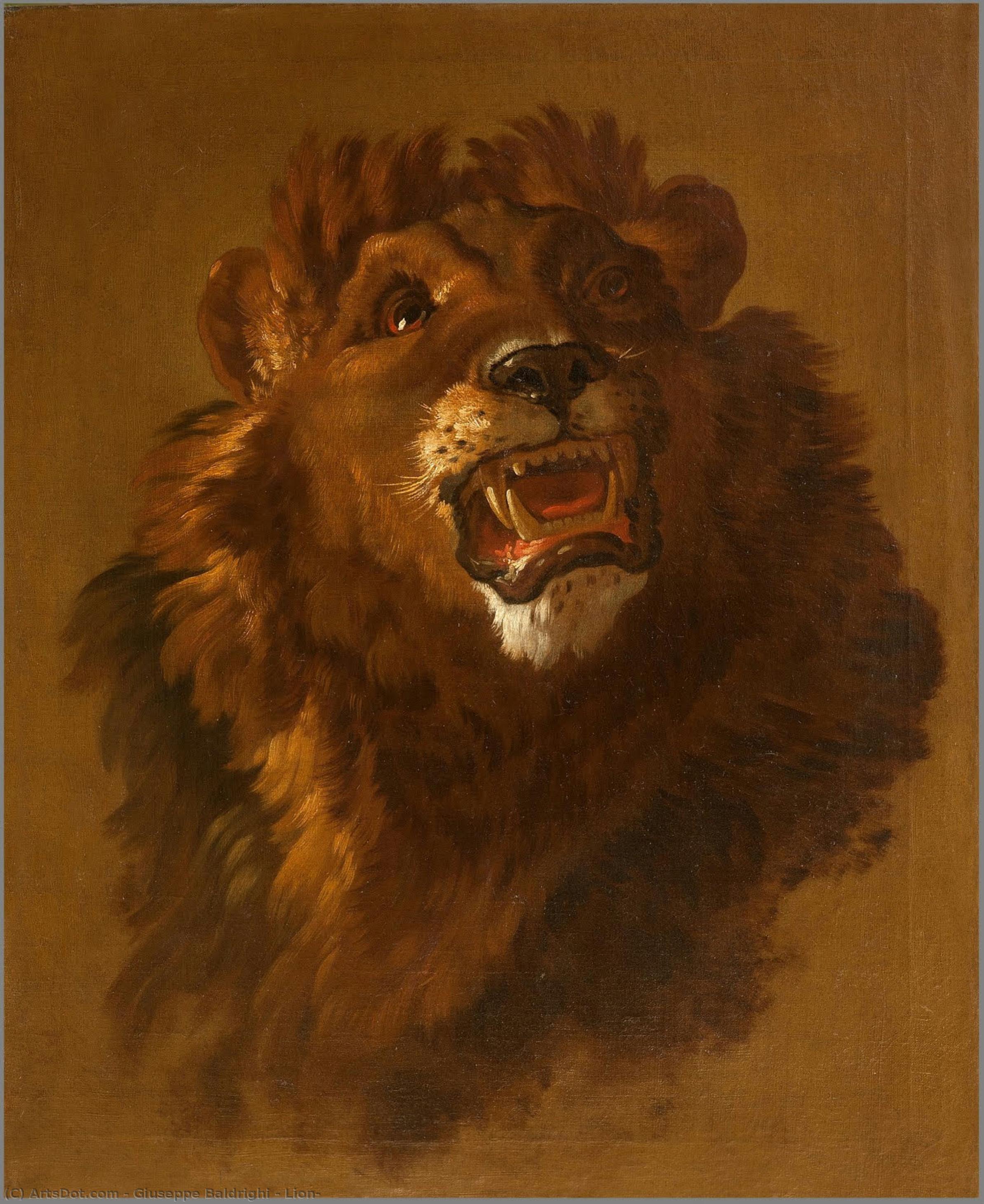
빠른 제작과 다양한 마감 옵션을 선택할 수 있는 박물관 수준의 지클레이 및 캔버스 프린트. ( 수작업 채색 복제본 주문하기 디지털 이미지 판매 채널로 전환)
작품의 원본 비율을 그대로 유지하는 프리셋 사이즈 중에서 선택해 보세요.

특정 프레임이나 공간에 맞춰 직접 치수를 입력하실 수 있습니다. 선택하신 사이즈가 원본 이미지의 비율과 일치하지 않을 경우, 작품을 크롭(자르기)하거나 이미지를 대칭 또는 단색 채우기로 확장하여 제작합니다. 제작 시작 전, 최종 확인을 위해 디지털 목업이 전송됩니다.
화면상의 미리보기는 실제 크롭이나 확장 상태를 반영하지 않으므로, 최종 구도는 오직 목업을 통해서만 정확하게 확인하실 수 있습니다.
맞춤 사이즈 제작도 가능하지만, 원본 비율을 유지하기 위해서는 사전 정의된 목록에서 치수를 선택하시는 것을 권장합니다.

Lion
복제본 규격

In the grand tapestry of eighteenth-century European art, few threads shimmer with as much delicate grace as the works of Giuseppe Baldrighi. A master who navigated the transition from the exuberant flourishes of the late Baroque to the poised restraint of Neoclassicism, Baldrighi captured more than mere likeness; he distilled the very essence of aristocratic elegance. Born in 1722 in the quiet town of Stradella, Lombardy, his journey was one of constant movement and cultural immersion, shaped by the vibrant artistic pulses of Naples, Bologna, and Paris. His early years, spent under the tutelage of an anonymous master in Naples, provided him with a foundation in the dramatic light and emotive color palettes characteristic of the Neapolitan tradition, a skill that would later lend a soulful depth to his more delicate compositions.
As his talent blossomed, Baldrighi’s trajectory took him toward the prestigious Accademia Clementina of Bologna, where his technical prowess began to attract the attention of the era's most influential patrons. The pivotal moment in his career arrived when he was recruited to the court of Parma, a move facilitated by the visionary Guillaume du Tillot. This appointment placed Baldrighi at the heart of a sophisticated cultural renaissance, tasking him with documenting the splendor of the Farnese court. It was during this period that his mastery of watercolor and miniature painting truly emerged, allowing him to capture the fleeting nuances of skin, silk, and lace with an intimacy that larger oil canvases often struggled to achieve.
The years between 1752 and 1756 marked a transformative epoch in Baldrighi’s artistic evolution. His journey to Paris brought him into the orbit of the Enlightenment's greatest visual thinkers, exposing him to the Rococo brilliance of François Boucher and the psychological precision of Maurice Quentin de La Tour. This encounter with French naturalism breathed new life into his work, encouraging a shift toward greater clarity and a more profound exploration of character. The influence of these luminaries is evident in his ability to balance the decorative charm of the Rococo with an emerging Neoclassical dignity, creating portraits that felt both fashionable and timeless.
His admission into the Académie Royale in Paris served as a definitive validation of his skill, cementing his reputation as a painter of international standing. This period of academic recognition allowed him to refine a technique characterized by:
Beyond the technical brilliance of his brushwork, Baldrighi’s historical significance lies in his role as a visual chronicler of an era on the brink of profound change. Through his portraits—ranging from the regal Portrait of Maria Luisa de Parma to the intimate Portrait of Antonio Ghedini and his family—he preserved the social fabric of the Italian courts. His work serves as a window into the stratified world of the eighteenth century, reflecting the wealth, unity, and refined sensibilities of the aristocracy before the sweeping tides of the Napoleonic era altered the European landscape forever.
Today, the legacy of Giuseppe Baldrighi endures in museums and private collections alike, where his ability to marry naturalism with aristocratic grace continues to captivate. He remains a pivotal figure whose work bridges the gap between two great eras, reminding us that true artistry lies in the ability to capture both the grandeur of a moment and the enduring spirit of the human subject. His life, spanning from the Lombardy plains to the heights of Parisian acclaim, stands as a testament to the power of artistic movement and the universal language of beauty.

1722 - 1803

Explore the majesty of the King of Beasts through art history. From Baroque drama to Romantic realism, discover how master painters capture the power and soul of lions in exquisite oil reproductions and fine art prints for discerning collectors.
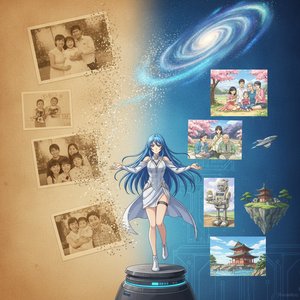
Step into the spotlight with WahooArt's AI-driven transformation. Turn your photos into stunning, hand-painted anime oil masterpieces. Experience the perfect fusion of cutting-edge technology and museum-grade craftsmanship to create a timeless pop-culture legacy for your home.
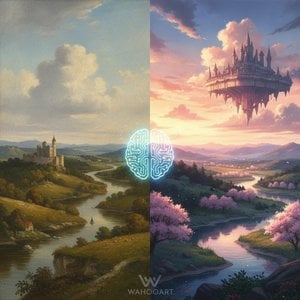
Transform your photos into high-octane action anime masterpieces with WahooArt. Our expert artists blend AI innovation with traditional oil painting to create premium, hand-painted pop culture legacies for your home. Experience museum-quality craftsmanship and a 100% satisfaction guarantee.

빛과 어둠의 극적인 대비로 완성된 바로크 마스터피스의 영원한 우아함을 경험하십시오. WahooArt는 카라바조와 렘브란트 등 거장들의 숨결을 100% 수작업 유화로 재현하여 당신의 공간에 품격을 더합니다. 전문 아티스트의 정교한 붓터치와 프리미엄 캔버스로 탄생한 독보적인 예술적 가치를 소유하십시오.

 실제 크기로 보기
 보내기
보내기 공유하기
공유하기
 상세 보기
상세 보기 가이드 보기

 이미지 다운로드
 유사 작품 더 보기
 X-레이
X-레이 슬라이드 쇼 보기
 통계 정보
통계 정보


 상세 보기
상세 보기






































 유리 옵션은 110cm 미만 크기에서만 선택 가능합니다.


