

 Oil On CanvasWallArtMannerism
 1563Renaissance
 67.0 x 51.0 cm
 쿤스트히스토리스체 박물관
빠른 제작과 다양한 마감 옵션을 선택할 수 있는 박물관 수준의 지클레이 및 캔버스 프린트. ( 수작업 채색 복제본 주문하기 디지털 이미지 판매 채널로 전환)





























작품의 원본 비율을 그대로 유지하는 프리셋 사이즈 중에서 선택해 보세요.

액자나 벽면 크기에 맞춰 필요한 가로와 세로 길이를 입력해 주세요. 프린트는 원본 이미지보다 크게 제작할 수 없으며 오직 자르는 것만 가능하므로, 비율이 다른 사이즈를 선택할 경우 이미지의 일부가 잘려 나갈 수 있습니다. 인쇄 작업에 들어가기 전, 최종 확인을 위해 디지털 목업을 보내드립니다. 이 페이지에 표시된 이미지는 실제 잘리는 영역을 나타내지 않으며, 오직 목업을 통해서만 정확한 확인이 가능합니다.
Winter
복제본 규격
In the quiet, chilling depths of Giuseppe Arcimboldo’s Winter, we encounter one of the most profound enigmas of the Late Renaissance. Painted around 1563, this masterpiece does not merely depict a season; it breathes life into an allegory of survival and transformation. At first glance, the viewer is met with a striking, anthropomorphic figure—a creature born from the very essence of the earth’s dormant period. This is not a traditional portrait of flesh and bone, but a surrealist precursor that uses the textures of nature to construct a human likeness. The composition centers on a tree-like entity emerging from a woven wicker basket, creating a sense of grounded, organic weight that commands the room. It is a work that demands a second, third, and fourth look, rewarding the observant eye with a hidden world of intricate detail.
The technique employed by Arcimboldo is nothing short of miraculous, showcasing a mastery of Mannerist precision. Using oil paints on canvas, the artist meticulously layered pigments to achieve a tactile richness that feels almost sculptural. One can trace the rugged, furrowed bark of the branches and the delicate, frost-like textures of the foliage through his expert brushwork. The lighting is intentionally dramatic, casting deep shadows against an abyssal black background, which serves to push the illuminated subject forward into the viewer's space. This high-contrast approach, reminiscent of later chiaroscuro, lends the piece a theatrical intensity, making the organic forms appear to glow with an inner, ancient light.
Beyond its visual trickery, Winter is steeped in the complex intellectual currents of the 16th century. To the Renaissance mind, every element was a vessel for meaning. The choice of a tree-like figure emerging from a basket suggests the concept of latent life—the idea that even in the dead of winter, the seeds of spring are held in a state of suspended animation. The fruits and organic shapes nestled within the composition act as symbols of abundance and the cyclical nature of time, representing the transition between decay and rebirth. For the collector or interior designer, this piece offers more than mere decoration; it provides a profound philosophical anchor, evoking themes of resilience, patience, and the enduring strength of the natural world.
The emotional impact of the artwork is a delicate balance of mystery and unsettling beauty. There is a certain melancholic grandeur in the way the figure stands solitary against the darkness, yet there is also an undeniable sense of wonder. It is a piece that invites contemplation, making it an ideal centerpiece for a sophisticated study, a grand library, or a curated gallery space. As a high-quality reproduction, this painting brings the whimsical yet profound spirit of Arcimboldo into the modern home, offering a window into a time when art was a puzzle to be solved and a mirror held up to the mysteries of the universe.

1527 - 1593 , 이탈리아
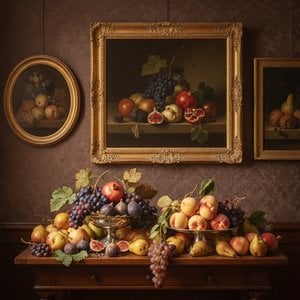
Discover the profound beauty of fruit still life paintings. Explore the rich symbolism, Baroque mastery, and timeless allure of nature's bounty through an art-historical lens, perfect for collectors and enthusiasts of classical fine art.

Explore the profound beauty of fruit arrangement masterpieces. From Dutch Golden Age opulence to Baroque chiaroscuro, discover the art history, symbolism, and timeless elegance of classical still life paintings for the discerning collector.

Embark on a sophisticated journey through art history with our exploration of still life masterpieces. Discover the profound symbolism behind classical paintings of drinks and fruit, curated for the true connoisseur seeking timeless elegance and academic depth.

Discover the profound allure of oil on canvas. Explore the mastery of impasto textures, the science of pigment longevity, and expert guides to selecting museum-quality reproductions that elevate your collection with timeless elegance and tactile depth.

 실제 크기로 보기
 보내기
보내기 공유하기
공유하기
 상세 보기
상세 보기 가이드 보기

 이미지 다운로드
 유사 작품 더 보기
 X-레이
X-레이 슬라이드 쇼 보기
 통계 정보
통계 정보 상세 보기
상세 보기









 유리 옵션은 110cm 미만 크기에서만 선택 가능합니다.


