
빠른 제작과 다양한 마감 옵션을 제공하는 박물관 품질의 지클레이 또는 캔버스 프린트. ( 손으로 그린 그림 구매 디지털 이미지로 전환)





























작품의 원본 비율을 유지하는 미리 설정된 크기 중에서 선택하세요.

특정 프레임이나 공간에 맞춰 직접 치수를 입력하실 수 있습니다. 선택하신 사이즈가 원본 이미지의 비율과 일치하지 않을 경우, 작품을 크롭(자르기)하거나 이미지를 대칭 또는 단색 채우기로 확장하여 제작합니다. 제작 시작 전, 최종 확인을 위해 디지털 목업이 전송됩니다.
화면상의 미리보기는 실제 크롭이나 확장 상태를 반영하지 않으므로, 최종 구도는 오직 목업을 통해서만 정확하게 확인하실 수 있습니다.
맞춤 사이즈 제작도 가능하지만, 원본 비율을 유지하기 위해서는 사전 정의된 목록에서 치수를 선택하시는 것을 권장합니다.

Water (detail)
복제본 크기
Giuseppe Arcimboldo's "Water," painted in 1566, isn’t merely a portrait; it’s an immersive experience, a meticulously constructed microcosm teeming with symbolism and reflecting the intellectual currents of the Renaissance. This remarkable work, now housed within the Kunsthistorisches Museum in Vienna, transcends the boundaries of traditional portraiture, transforming into a vibrant allegory of nature's cycles, human ingenuity, and perhaps even a subtle commentary on the era’s fascination with the interconnectedness of all things. Arcimboldo, already renowned for his audacious composite heads – the “Four Seasons,” “The Pale Horseman,” and countless others – here presents us with an astonishingly detailed tableau of aquatic life, rendered entirely from carefully arranged fruits, vegetables, fish, and even a hint of avian grace.
The painting’s immediate impact is one of controlled chaos. A vast, dark background—a deliberate choice by Arcimboldo—serves to amplify the brilliance and intricate detail of the assembled elements. Within this shadowed space, a colossal fish dominates the composition, its scales painstakingly recreated from an array of meticulously chosen objects: plump pears mimicking the texture of shimmering scales, vibrant cherries forming the rosy hues, and delicate grapes clustered together as if caught mid-plunge. Beneath the central fish, a rich tapestry unfolds – crabs scuttling across mossy banks, miniature fish darting amongst reeds, and fragments of what appear to be seashells and coral add layers of texture and depth. The inclusion of these diverse elements isn’t random; it speaks volumes about Arcimboldo's understanding of natural forms and his ability to translate them into a cohesive, visually arresting whole.
To fully appreciate “Water,” one must consider the intellectual landscape in which Arcimboldo worked. The late 16th century was a period of intense philosophical debate, fueled by the rediscovery of classical texts and a renewed interest in Neo-Platonism – a philosophy that sought to reconcile Christian theology with ancient Greek thought. Neo-Platonism emphasized the interconnectedness of all things, viewing the material world as a reflection of an underlying spiritual reality. Arcimboldo’s work perfectly embodies this worldview. The assembled objects aren't simply decorative; they are symbolic representations of deeper concepts – the cyclical nature of life and death, the harmony between humanity and the natural world, and perhaps even the fleeting beauty of existence itself.
The fish, as the central figure, can be interpreted as a symbol of abundance, fertility, and transformation. Its construction from diverse elements mirrors the Neo-Platonic idea that all things are ultimately derived from a single source – the divine. The careful arrangement of these objects suggests a deliberate attempt to create order out of apparent chaos, reflecting the Renaissance fascination with puzzles, riddles, and the pursuit of hidden meanings. Furthermore, the inclusion of elements like seaweed and reeds hints at the mysteries and dangers lurking beneath the surface of seemingly tranquil waters.
Arcimboldo’s technical skill is truly astonishing. He didn't merely glue objects onto a canvas; he sculpted them, manipulated their forms, and arranged them with an almost obsessive attention to detail. The pear scales are not uniformly shaped; they vary in size and texture, creating a sense of realism and depth. The cherries are meticulously positioned to mimic the sheen of fish scales, while the grapes appear to be suspended in mid-plunge, capturing a fleeting moment of movement. The artist’s mastery lies not only in his ability to assemble these disparate elements but also in his understanding of how light and shadow interact with their surfaces.
The dark background serves as a crucial element in highlighting the vibrant colors and intricate details of the composition. It creates a sense of drama and emphasizes the sheer abundance of life depicted within the painting. Arcimboldo’s use of color is particularly noteworthy – he employs a rich palette of reds, greens, yellows, and blues to create a visually stimulating and emotionally resonant experience. The overall effect is one of breathtaking beauty and technical virtuosity.
"Water" remains a testament to Giuseppe Arcimboldo’s unique artistic vision and his profound understanding of the Renaissance worldview. It's more than just a painting; it’s an invitation to contemplate the mysteries of nature, the complexities of human existence, and the enduring power of art to transcend the boundaries of language and representation. Reproductions of this iconic work continue to captivate audiences today, offering a glimpse into the mind of one of history's most imaginative and innovative artists – a true master of visual allegory.

1527 - 1593 , 이탈리아
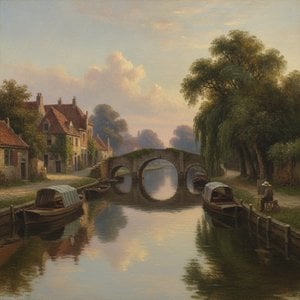
Embark on a visual journey through the tranquil beauty of canal scenes in fine art. Discover how master painters capture light, reflection, and serenity through impressionistic landscapes and timeless maritime masterpieces.
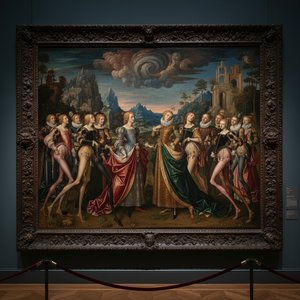
Explore the dramatic evolution of Northern Mannerism. Discover how masters like Bosch and Grünewald transitioned from Renaissance harmony to profound, elegant distortion through an expert analysis of symbolism, emotional intensity, and artistic innovation.

Embark on a visual journey through the serene mastery of lake scene landscapes. Explore the profound beauty of Impressionist, Romantic, and Luminist oil paintings, curated for the sophisticated collector seeking timeless tranquility and artistic excellence.

Embark on a visual journey through Claude Monet's most iconic water lily masterpieces. Discover the profound beauty of Impressionism, explore the evolution of Giverny's light, and learn how to bring these serene, museum-quality landscapes into your private collection.


 미리보기
미리보기
 공유하기
공유하기 공유하기
공유하기
 상세 정보
상세 정보

 다운로드
다운로드
 유사 작품
유사 작품 X-레이
X-레이 슬라이드 쇼
 통계 정보
통계 정보


 더 보기
더 보기









 유리 옵션은 110cm 미만 크기에서만 선택 가능합니다.


