
 Oil On CanvasWallArtBaroque Portraiture
 1574
1574 88.0 x 67.0 cm
원하는 크기와 액자로 주문 제작되는, 작가들이 직접 캔버스에 손으로 그린 유화 작품입니다. ( 프린트 판매로 전환 디지털 이미지로 전환)





























작품의 원본 비율을 유지하는 미리 설정된 크기 중에서 선택하세요.

특정 프레임이나 공간에 맞도록 직접 크기를 입력할 수 있습니다. 선택하신 크기가 원본 이미지의 비율과 일치하지 않는 경우, 작품을 자르거나 추가적인 손으로 그린 요소를 사용하여 그림을 확장합니다. 제작 시작 전 승인을 위해 디지털 목업을 보내드립니다.
화면 미리 보기는 실제 자르기 또는 확장을 반영하지 않습니다. 최종 구성은 목업을 통해서만 정확하게 확인하실 수 있습니다.
맞춤 크기 제작도 가능하지만, 원본 비율을 유지하기 위해 사전 정의된 목록에서 크기를 선택하시는 것을 권장합니다.

The Waiter
복제본 크기
Giuseppe Arcimboldo's “The Waiter,” painted in 1574, is more than just a depiction of a man; it’s an invitation into the richly layered world of a Renaissance mind. This captivating artwork, measuring 88 x 67 cm, exemplifies Arcimboldo’s revolutionary approach to portraiture – a technique that transformed the genre into a complex and deeply symbolic visual puzzle. The painting immediately draws the eye to the central figure: a man distinguished by his vibrant red hat adorned with a meticulously painted face, a detail that subtly hints at the artist's own self-portrait within the larger composition. His carefully constructed features – the handlebar mustache, the thoughtful gaze – are not merely decorative; they are integral components of a deliberate and intricate design.
Arcimboldo's genius lay not just in his subject matter but also in his extraordinary technical skill. “The Waiter” showcases a remarkable mastery of *disegno*, the Italian term for drawing, which was central to Renaissance artistic training. The artist painstakingly arranged an array of objects – a clock, a bowl, bottles, and various fruits – within the confines of the man’s head and shoulders, creating a three-dimensional illusion that defies easy interpretation. This technique, known as *capriccio*, or frottage, was incredibly demanding, requiring immense patience and precision. The layering of textures—the smooth glass of the wine glass, the rough surface of the clock face, the delicate petals of flowers – adds to the painting’s tactile quality and reinforces its illusionistic effect. The composition itself is carefully balanced, drawing the viewer's eye through a series of visual pathways, each leading to another intriguing detail.
Beyond mere aesthetic pleasure, Arcimboldo’s work was steeped in symbolism, reflecting the intellectual currents of the Renaissance. The inclusion of objects like books and musical instruments speaks to the importance of learning and the arts during this period. The clock suggests a preoccupation with time – a recurring theme in Arcimboldo's portraits – while the fruits and vegetables could represent fertility, abundance, or even mortality. The overall effect is one of intellectual engagement, inviting the viewer to decode the layers of meaning embedded within the seemingly simple scene. It’s believed that Arcimboldo created these portraits for members of the court, offering a personalized allegory reflecting their status and interests.
"The Waiter" transcends its historical context to offer a powerful emotional resonance. The painting's enigmatic quality – the man's expression, the carefully arranged objects – invites contemplation and speculation. It’s a testament to Arcimboldo’s ability to capture not just a likeness but also a mood, an atmosphere of intellectual curiosity and artistic ambition. As one of the most significant figures in Renaissance art, Arcimboldo’s work continues to inspire awe and admiration, demonstrating the power of art to challenge perceptions and ignite the imagination. This hand-painted reproduction offers a unique opportunity to own a piece of this extraordinary legacy.

1527 - 1593 , 이탈리아

Explore the profound beauty of fruit arrangement masterpieces. From Dutch Golden Age opulence to Baroque chiaroscuro, discover the art history, symbolism, and timeless elegance of classical still life paintings for the discerning collector.
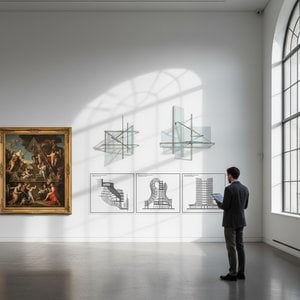
Discover the profound impact of composition on fine art. Explore how masters use geometry, light, and structural harmony to breathe life into masterpieces—an essential guide for discerning collectors seeking depth in every brushstroke.
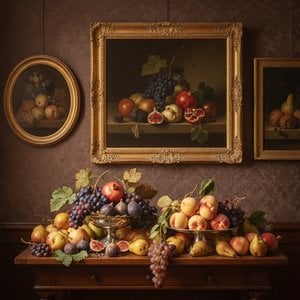
Discover the profound beauty of fruit still life paintings. Explore the rich symbolism, Baroque mastery, and timeless allure of nature's bounty through an art-historical lens, perfect for collectors and enthusiasts of classical fine art.

Master the art of visual literacy with our professional guide to formal art analysis. Learn to decode line, color, composition, and texture to uncover the profound meaning behind every masterpiece through a structured, academic lens.

Explore the profound influence of geometry and line in fine art. Discover how structural composition creates visual impact, from Cubist mastery to Op Art precision, and learn to curate sophisticated, mathematically balanced collections for discerning art connoisseurs.


 미리보기
미리보기
 공유하기
공유하기 공유하기
공유하기
 상세 정보
상세 정보

 다운로드
다운로드
 유사 작품
유사 작품 X-레이
X-레이 슬라이드 쇼
 통계 정보
통계 정보 더 보기
더 보기









 유리 옵션은 110cm 미만 크기에서만 선택 가능합니다.


