

 Acrylic On CanvasWallArtRenaissance Mannerism
 1570
1570 53.0 x 41.0 cm
 국립 미술관
빠른 제작과 다양한 마감 옵션을 선택할 수 있는 박물관 수준의 지클레이 및 캔버스 프린트. ( 수작업 채색 복제본 주문하기 디지털 이미지 판매 채널로 전환)





























작품의 원본 비율을 그대로 유지하는 프리셋 사이즈 중에서 선택해 보세요.

액자나 벽면 크기에 맞춰 필요한 가로와 세로 길이를 입력해 주세요. 프린트는 원본 이미지보다 크게 제작할 수 없으며 오직 자르는 것만 가능하므로, 비율이 다른 사이즈를 선택할 경우 이미지의 일부가 잘려 나갈 수 있습니다. 인쇄 작업에 들어가기 전, 최종 확인을 위해 디지털 목업을 보내드립니다. 이 페이지에 표시된 이미지는 실제 잘리는 영역을 나타내지 않으며, 오직 목업을 통해서만 정확한 확인이 가능합니다.
The Cook
복제본 규격
Giuseppe Arcimboldo's "The Cook," painted around 1570 and now residing in the Nationalmuseum of Stockholm, isn’t merely a still life; it’s an audacious visual riddle, a meticulously constructed portrait that simultaneously depicts a roasted fowl and a human face. Turning the canvas upside down unlocks this hidden image – a striking testament to Arcimboldo's mastery of trompe-l'oeil and his profound understanding of Renaissance symbolism. This work transcends simple representation, becoming a meditation on identity, transformation, and the very nature of perception.
The painting itself is dominated by an abundance of autumnal bounty: plump pears, glistening cherries, roasted meats arranged with theatrical precision, and a scattering of herbs and vegetables. Arcimboldo’s technique is remarkably detailed; each fruit and vegetable is rendered with painstaking accuracy, capturing their textures and colors with astonishing realism. The oil paint application is smooth and luminous, creating an almost tactile quality that draws the viewer into the scene. He doesn't simply arrange these objects; he orchestrates them, building a complex composition where every element contributes to the overall effect.
Arcimboldo’s work is deeply rooted in the intellectual currents of the late 16th century. During this period, there was a renewed interest in classical philosophy, particularly Neo-Platonism, which explored the interconnectedness of all things – the idea that the visible world is merely an imitation of a higher realm. Arcimboldo’s portraits, especially those constructed from inanimate objects, can be interpreted as allegorical representations of power and status. The choice of elements—the meats, for instance—suggested abundance, wealth, and the responsibilities associated with leadership. The inverted image, when revealed, subtly hints at the duality inherent in human nature: the animalistic instincts alongside the rational intellect.
Furthermore, Arcimboldo’s work reflects a fascination with metamorphosis – the ability of things to transform into something entirely different. The “Cook” embodies this concept perfectly; it is both a literal depiction of food and a symbolic representation of a human figure. This blurring of boundaries was not uncommon in Renaissance art, where artists often sought to challenge conventional notions of reality.
The brilliance of "The Cook" lies not only in its subject matter but also in the sheer artistry involved in creating this illusionistic masterpiece. Arcimboldo’s skill as a painter is evident in his ability to seamlessly integrate disparate elements into a cohesive whole. The composition is carefully balanced, with each object placed deliberately to contribute to the overall effect. The use of light and shadow further enhances the sense of depth and realism.
Beyond its technical virtuosity, “The Cook” possesses a captivating charm. It’s a playful invitation to engage in visual problem-solving, rewarding the viewer with a hidden image that delights and surprises. The painting speaks to our innate desire to find patterns and connections, suggesting that even the most mundane objects can hold profound meaning when viewed through the right lens.
Reproductions of “The Cook” offer a beautiful way to bring this iconic artwork into your home or office. Consider framing it in a simple, elegant frame that allows the vibrant colors and intricate details of the painting to shine through. The piece would complement a variety of interior design styles, from classic to contemporary. Its intriguing subject matter makes it an excellent conversation starter, inviting viewers to contemplate the artistry and symbolism behind this remarkable creation.
"The Cook"은(는) 1570년에 Acrylic On Canvas 기법으로 제작되었습니다.
"The Cook"은(는) 주세페 아르침볼도의 작품입니다. 이 페이지의 정보는 주세페 아르침볼도의 원작에 대해 설명합니다.
주세페 아르침볼도의 작품 활동 중 "The Cook"은(는) Mature Period 시기에 해당합니다. 이 시기는 작가의 다른 작품들과 비교해 보는 데 도움이 됩니다.

1527 - 1593 , 이탈리아

Explore the profound beauty of fruit arrangement masterpieces. From Dutch Golden Age opulence to Baroque chiaroscuro, discover the art history, symbolism, and timeless elegance of classical still life paintings for the discerning collector.
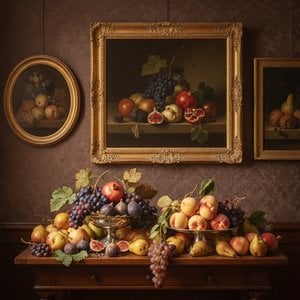
Discover the profound beauty of fruit still life paintings. Explore the rich symbolism, Baroque mastery, and timeless allure of nature's bounty through an art-historical lens, perfect for collectors and enthusiasts of classical fine art.

Step into the spotlight with WahooArt's AI-driven transformation. Turn your photos into stunning, hand-painted anime oil masterpieces. Experience the perfect fusion of cutting-edge technology and museum-grade craftsmanship to create a timeless pop-culture legacy for your home.

 실제 크기로 보기
 보내기
보내기 공유하기
공유하기
 상세 보기
상세 보기 가이드 보기

 이미지 다운로드
 유사 작품 더 보기
 X-레이
X-레이 슬라이드 쇼 보기
 통계 정보
통계 정보 상세 보기
상세 보기









 유리 옵션은 110cm 미만 크기에서만 선택 가능합니다.


