
 Acrylic On CanvasWallArtMannerist Style
 1585
1585 167.0 x 227.0 cm
 우피치 미술관
빠른 제작과 다양한 마감 옵션을 제공하는 박물관 품질의 지클레이 또는 캔버스 프린트. ( 손으로 그린 그림 구매 디지털 이미지로 전환)





























작품의 원본 비율을 유지하는 미리 설정된 크기 중에서 선택하세요.

특정 프레임이나 공간에 맞춰 직접 치수를 입력하실 수 있습니다. 선택하신 사이즈가 원본 이미지의 비율과 일치하지 않을 경우, 작품을 크롭(자르기)하거나 이미지를 대칭 또는 단색 채우기로 확장하여 제작합니다. 제작 시작 전, 최종 확인을 위해 디지털 목업이 전송됩니다.
화면상의 미리보기는 실제 크롭이나 확장 상태를 반영하지 않으므로, 최종 구도는 오직 목업을 통해서만 정확하게 확인하실 수 있습니다.
맞춤 사이즈 제작도 가능하지만, 원본 비율을 유지하기 위해서는 사전 정의된 목록에서 치수를 선택하시는 것을 권장합니다.

Saddle for sleigh horse
복제본 크기
Giuseppe Arcimboldo (1527-1593), a Florentine Mannerist artist, stands apart from his contemporaries not merely for his innovative approach to portraiture but for his audacious reimagining of artistic conventions. While he produced numerous impressive frescoes adorning churches and executed commissions for noble patrons—works reflecting the stylistic trends of his time—Arcimboldo’s enduring fame rests upon a singular series of composite heads crafted entirely from meticulously arranged objects: fruits, vegetables, flowers, books, even musical instruments. These weren't frivolous exercises in visual illusion; they were complex allegories imbued with profound symbolism that resonated deeply within the Renaissance worldview and continue to captivate audiences today.
“Saddle for sleigh horse,” created in 1585, exemplifies Arcimboldo’s distinctive style—a masterful blend of realism and fantastical imagination. This drawing, executed in blue ink on aged paper, offers a glimpse into the artist's creative process and reveals his meticulous attention to detail. Unlike traditional portraits that strive to capture likeness with precise shading and perspective, Arcimboldo presents a stylized representation of equine equipment, transforming mundane materials into an arresting visual statement.
Beyond its technical prowess, “Saddle for sleigh horse” speaks to Arcimboldo's broader artistic vision. As evidenced by his other composite portraits—particularly “Vertumnus,” depicting Emperor Rudolf II as a gardener brimming with flora—Arcimboldo sought to communicate ideas and emotions through unconventional imagery. The saddle’s inclusion within this series underscores the artist’s fascination with transforming everyday objects into vehicles for symbolic representation, cementing his place as one of the most inventive and intellectually stimulating figures in Renaissance art.
The drawing's placement within Arcimboldo’s oeuvre—specifically alongside other depictions of seasonal imagery—further reinforces its significance. It serves as a testament to Arcimboldo’s ability to transcend stylistic conventions and engage viewers on multiple levels, prompting reflection on themes of nature, power, and the artist’s own creative genius.
A reproduction of this remarkable artwork would bring a touch of Mannerist elegance and intellectual curiosity into any interior space. Its meticulous detail and symbolic richness offer an unparalleled opportunity to appreciate Arcimboldo's groundbreaking artistic vision.


1527 - 1593 , 이탈리아

Explore the dramatic evolution of Northern Mannerism. Discover how masters like Bosch and Grünewald transitioned from Renaissance harmony to profound, elegant distortion through an expert analysis of symbolism, emotional intensity, and artistic innovation.
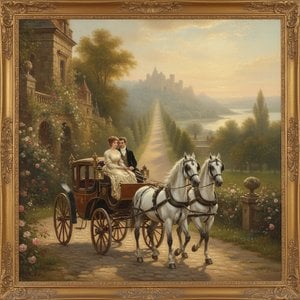
Embark on a visual journey through the romantic world of horse carriage art. Discover the mastery of equestrian oil paintings, from Impressionist textures to classical realism, and learn how to bring timeless elegance into your home with museum-quality reproductions.

Immerse yourself in the majesty of equestrian art. Discover museum-quality, hand-painted horse reproductions and bespoke commissions that capture the power and grace of the equine form. Perfect for discerning collectors seeking timeless elegance and unparalleled craftsmanship.
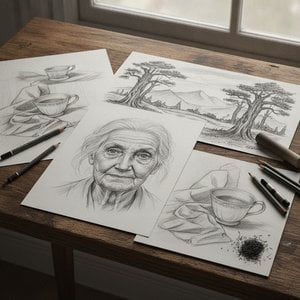
Explore the profound elegance of pencil and charcoal sketching. Discover how masters use line, shadow, and chiaroscuro to capture light and texture, bridging the gap between preparatory studies and timeless fine art masterpieces.

Explore the profound beauty of the sketch. Discover how masters use charcoal and graphite to capture raw emotion, anatomical precision, and fluid movement, bridging the gap between ephemeral marks and eternal oil masterpieces.


 미리보기
미리보기
 공유하기
공유하기 공유하기
공유하기
 상세 정보
상세 정보 가이드 보기

 다운로드
다운로드
 유사 작품
유사 작품 X-레이
X-레이 슬라이드 쇼
 통계 정보
통계 정보 더 보기
더 보기









 유리 옵션은 110cm 미만 크기에서만 선택 가능합니다.


